Rackets for advanced level players
27 rackets, in alphabetical order. The order does not indicate quality or compatibility.
27
rackets, from 11 brands
Source: each manufacturer's official spec sheets, accessed on November 2026.
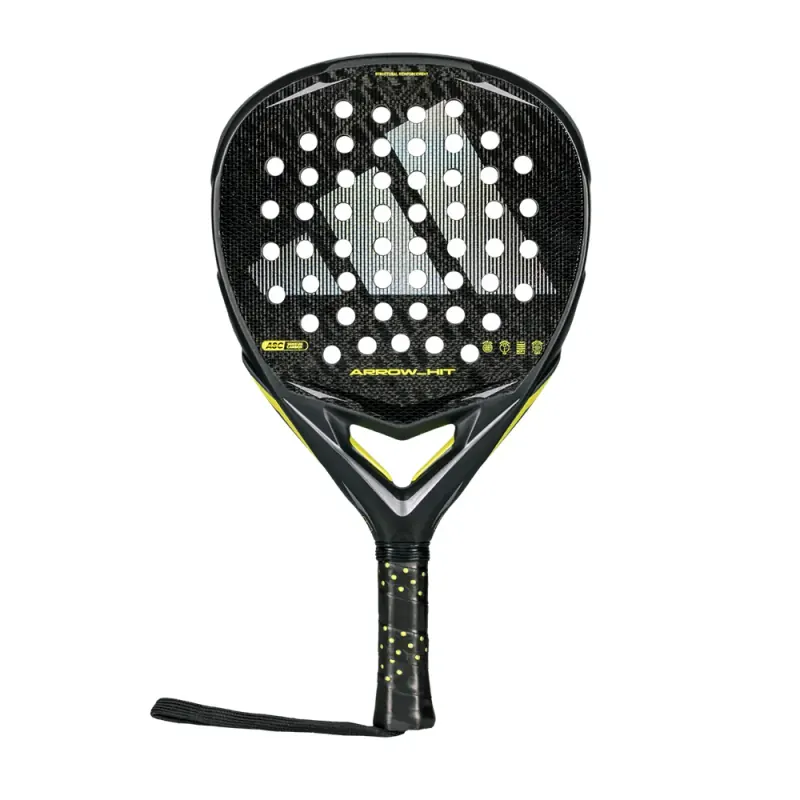
Photo: Adidas 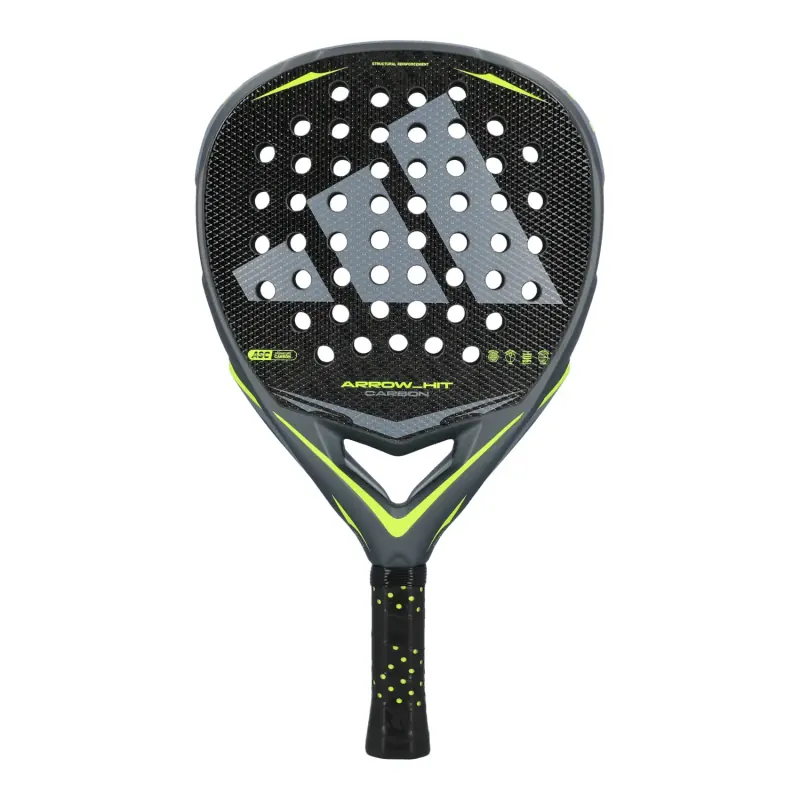
Photo: Adidas 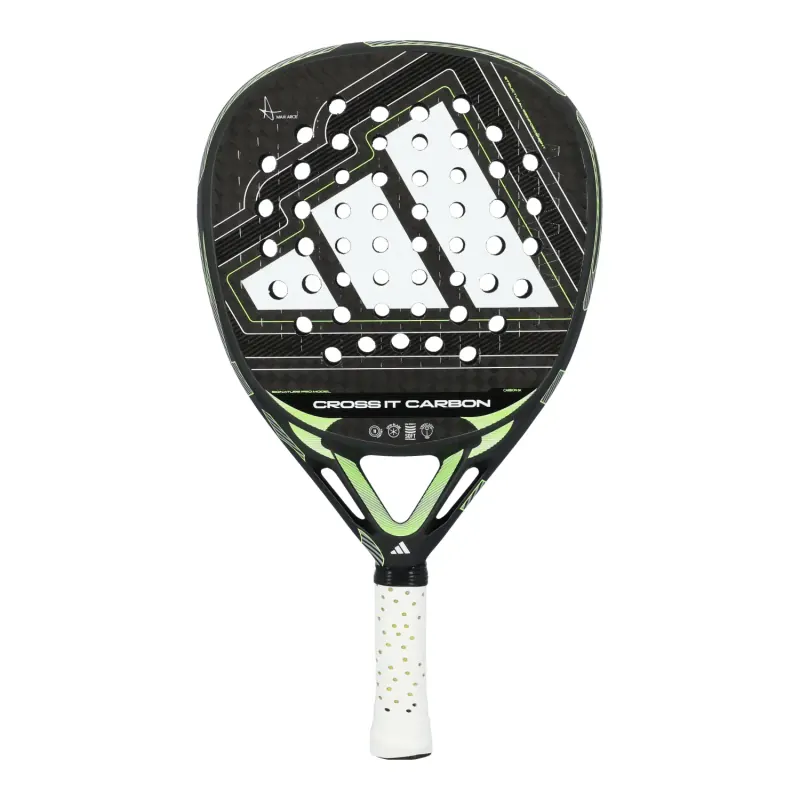
Photo: Adidas 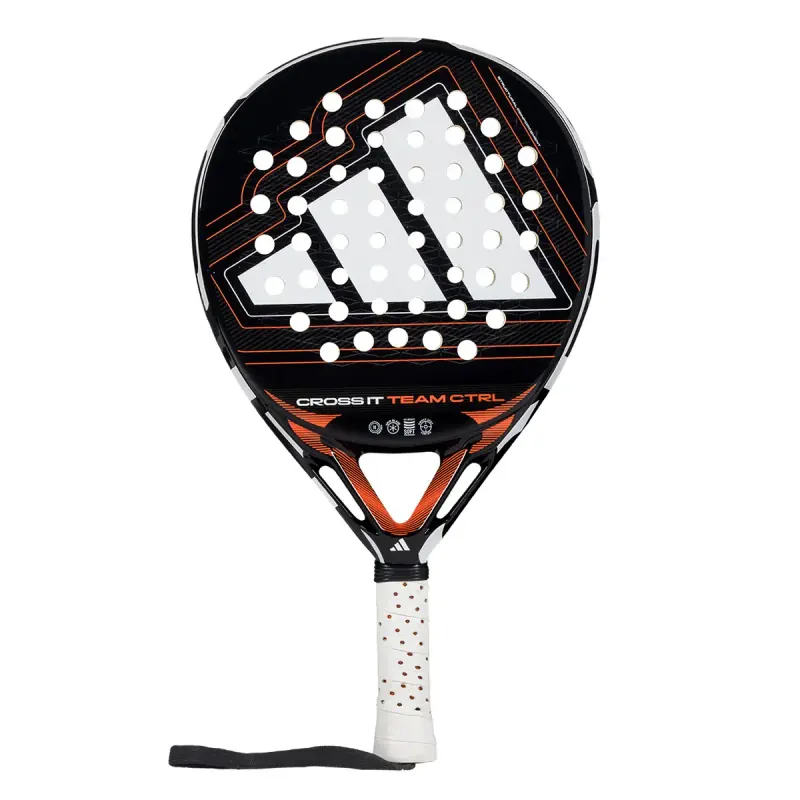
Photo: Adidas 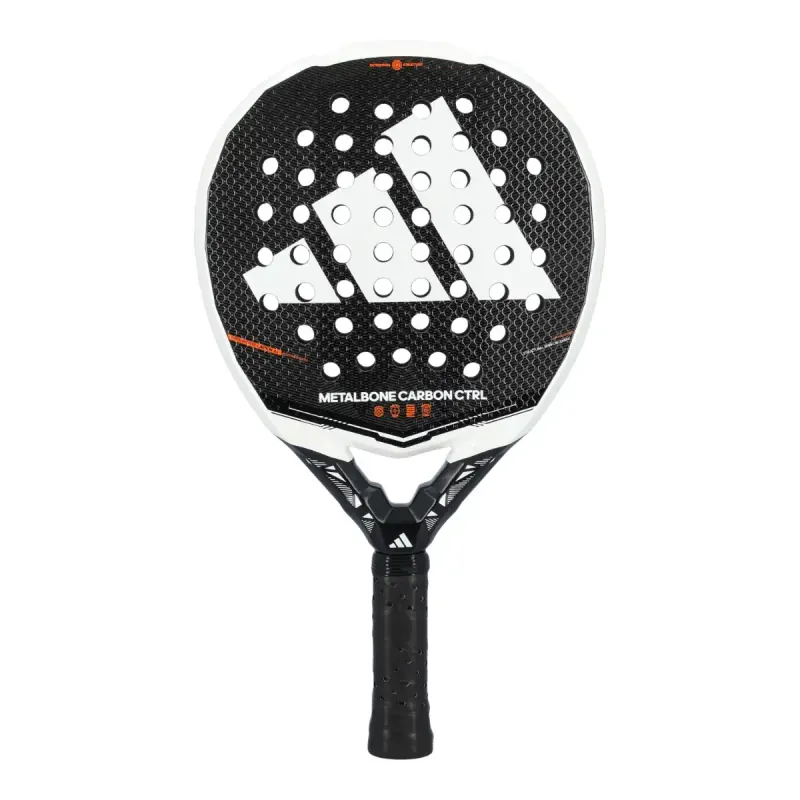
Photo: Adidas 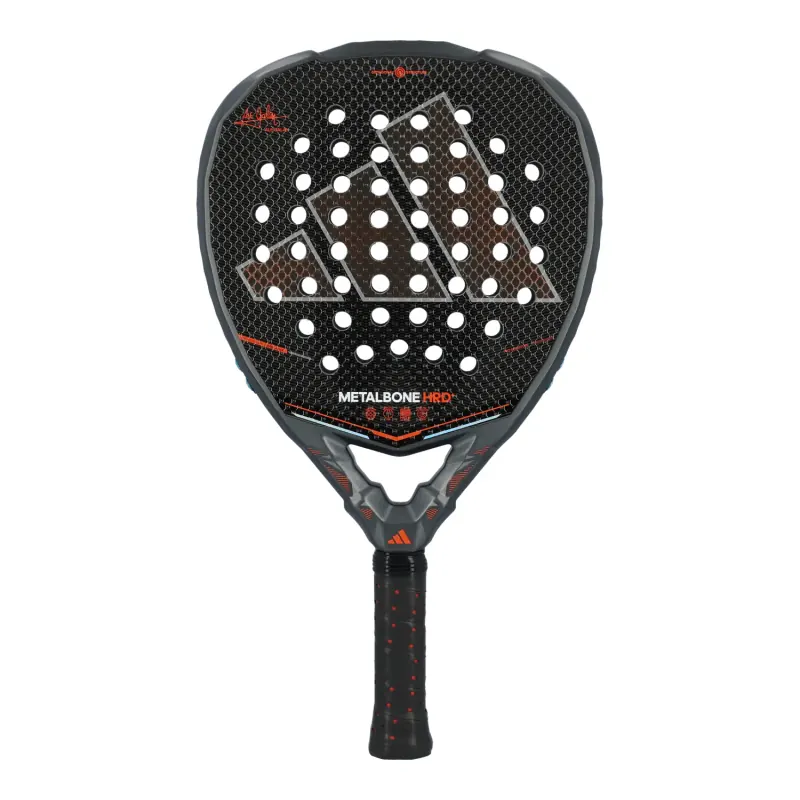
Photo: Adidas 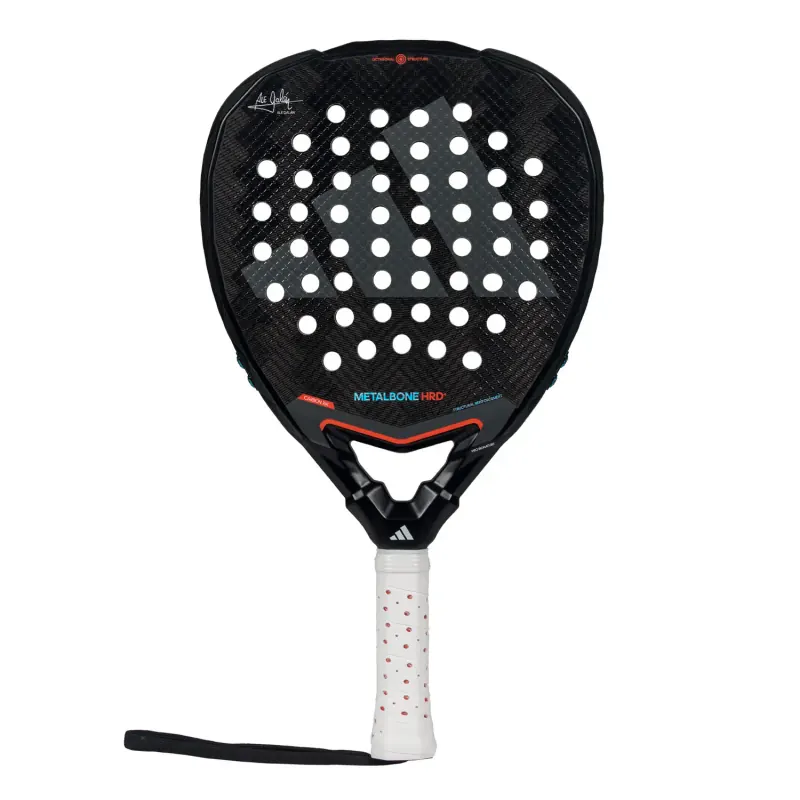
Photo: Adidas 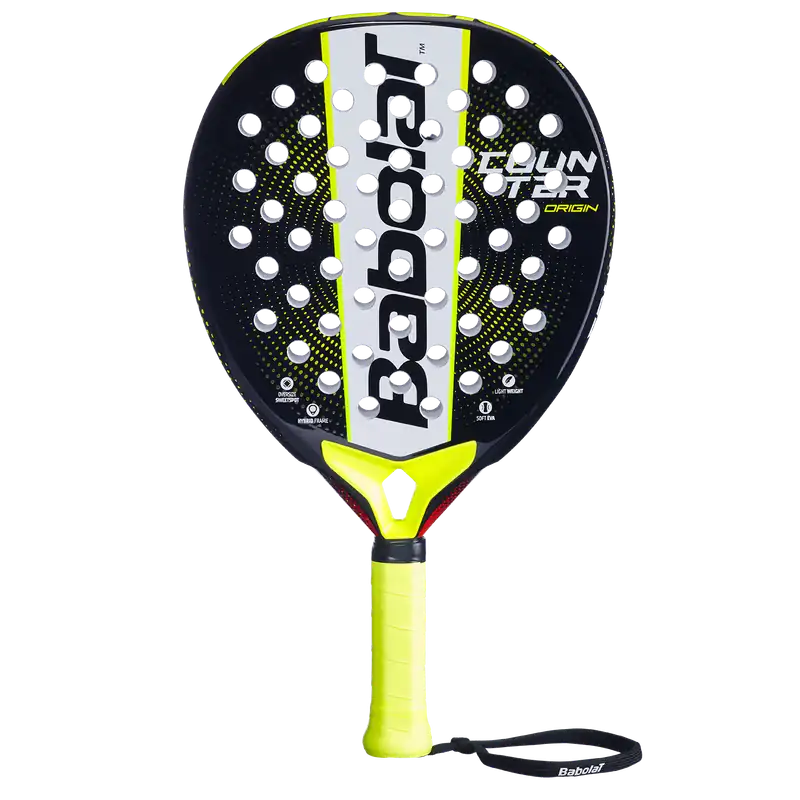
Photo: Babolat
Show the other 19
- Gladius
355 to 370 g
- Hurricane Pro 4.0
355 to 370 g
- Iconic Crown
360 to 370 g
- Special Elite
355 to 370 g
- Viva
355 to 370 g
- RESPONSE 24K SILVER
355 to 370 g
- RSX 7.1 CARBON 3K
355 to 370 g
- Coello Team
360 g
- Valkiria Flex
350 to 360 g
- AT10 Luxury Genius 18K Alum 2026
360 to 375 g
- Ventus Control 12K Aranzazu Osoro 2027
360 to 375 g
- JPN Pro Blue 2026
360 to 380 g
- JPN Pro Red 2026
360 to 380 g
- R Control 2026
360 to 375 g
- Astra Hybrid 2026
355 to 375 g
- Beat Control 2026
360 to 375 g
- Trilogy Pro 2026 Noir Fog
360 to 375 g
- Shade
350 to 370 g
- Endure Pro v1
365 g
No racket matches these filters.
Criteria, questions and sources
Advanced-level padel rackets: what to look at on the spec sheet
How to read this page
This page shows the rackets that the site's recommender places among the first for the advanced level, in alphabetical order and without links to shops.
The order does not indicate quality.
For each racket you see shape, weight and balance as the manufacturer prints them, and on each spec sheet you will also find the core and the face.
What the rules set.
All legal rackets share the same maximum measurements: 45.5 cm total length, 26 cm head width and 38 mm thickness, with a 2.5% tolerance on thickness. Those limits apply to any shape, so among legal rackets what changes are the shape, the weight, the balance and the materials each brand declares. The rules do not mention levels or say which racket suits whom.
Maximum dimensions in the FIP rules
- Total length
- 45.5 cm
- Head width
- 26 cm
- Thickness
- 38 mm
Source: Reglas del Pádel (revisión de aplicación 01.01.2026), Federación Internacional de Pádel, accessed on October 13, 2026
The essentials
There is no official scale of levels.
Each brand writes the level on its spec sheet as free text, and those labels are not comparable between brands: some print exactly “Advanced” and others use variants such as “Advanced / professional”. Moreover, the list on this page does not come from that field. It is calculated by the site's recommendation engine and is not calculated from that field, so it does not necessarily match each brand's label. That is why the brand's label is just one more piece of data on the spec sheet, not a guarantee that the racket fits your game.
Weight: a guideline, not a rule.
HEAD states in its guide that beginner and intermediate players usually prefer rackets of 340 to 360 g and that tournament and more advanced players usually choose rackets of 360 to 375 g. This is that brand's guideline, not a rule, and the copy we read is hosted by Padel New Zealand.
The weight each manufacturer prints appears on each racket's spec sheet. A heavier racket is not better for being heavier: no data in the sources supports that.
Shape and high-end rackets.
Babolat describes its diamond-shaped rackets as rackets with weight in the head and a high point of impact, intended for players from intermediate to expert level. This is that brand's wording for its range, not a general rule.
If you are looking at a racket because of its shape, check what the manufacturer prints on the spec sheet of that model.
Models of professional players.
None of the sources on this page says that rackets associated with professional players are better or more suitable for you, so we do not treat them as a criterion. The rules do not define what a professional racket is; compare the data on each spec sheet.
Limits of the comparison.
Where a value is missing, the manufacturer does not print it on the spec sheet we read and we do not fill it in by deduction. The page does not show prices and does not tell you which one suits you. Before deciding, check each value against the manufacturer's spec sheet and look at the consultation date.
Checklist
- Read the level label as each brand's free text, not as a common scale.
- Take HEAD's weight range as that brand's guideline, not as a rule.
- Compare shape, weight and balance as each manufacturer prints them.
- Remember that all legal rackets share the same maximum measurements.
- Check the value against the manufacturer's spec sheet and look at the consultation date.
Frequently asked questions
What is a professional racket?
It is not a category defined by the rules: they only set maximum measurements. It is a colloquial expression that neither the rules nor the manufacturer's spec sheet define. Compare the values printed on the spec sheet of each model.
What does high-end mean for a racket?
There is no official definition. Each brand uses its own level and range labels as free text, and they are not comparable between brands. Look at the data on the spec sheet, such as shape, weight and balance, rather than at the words high-end.
Sources
- Reglas del Pádel (revisión de aplicación 01.01.2026), Federación Internacional de Pádel. Accessed on October 13, 2026.
- How to choose a padel racquet (guía de HEAD, copia alojada por Padel New Zealand; la URL oficial de HEAD devolvió 429 el 2026-10-14), HEAD. Accessed on October 14, 2026.
- Raquettes Padel Diamant (página de categoría de Babolat), Babolat. Accessed on October 14, 2026.