Rackets for beginner level players
24 rackets, in alphabetical order. The order does not indicate quality or compatibility.
24
rackets, from 8 brands
Source: each manufacturer's official spec sheets, accessed on November 2026.
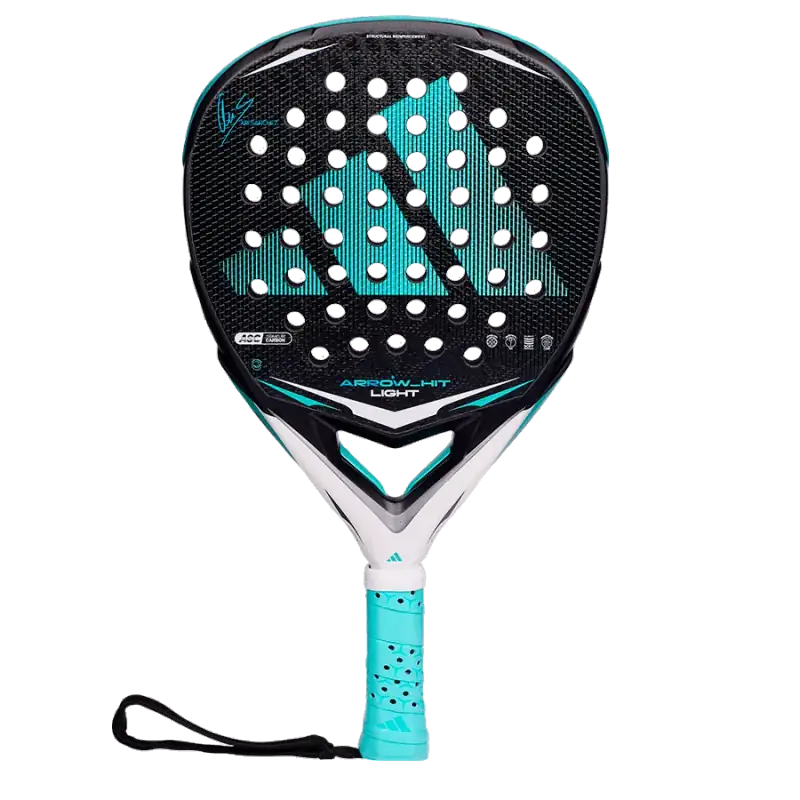
Photo: Adidas 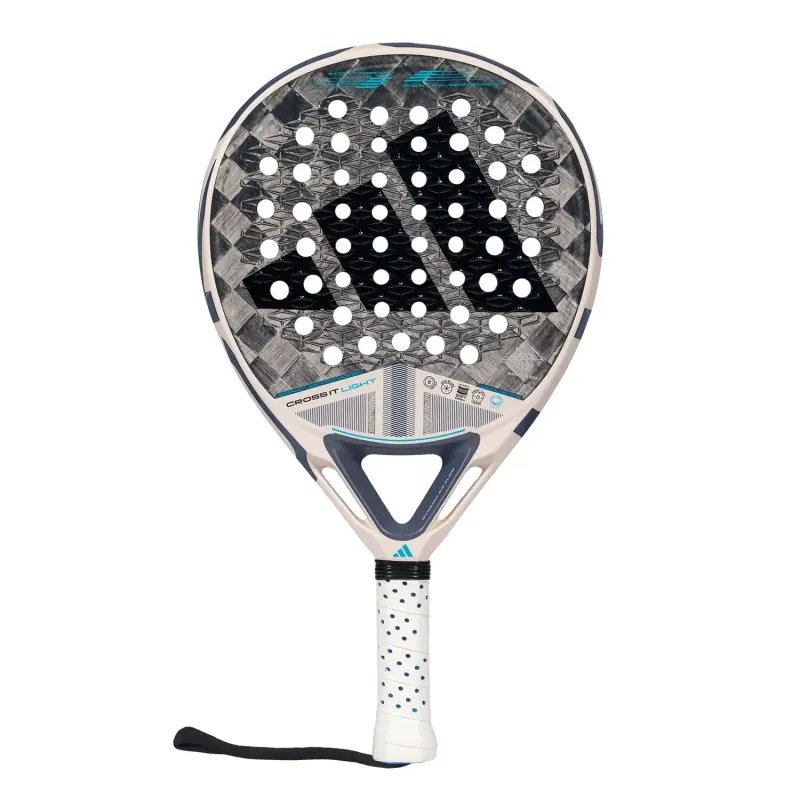
Photo: Adidas 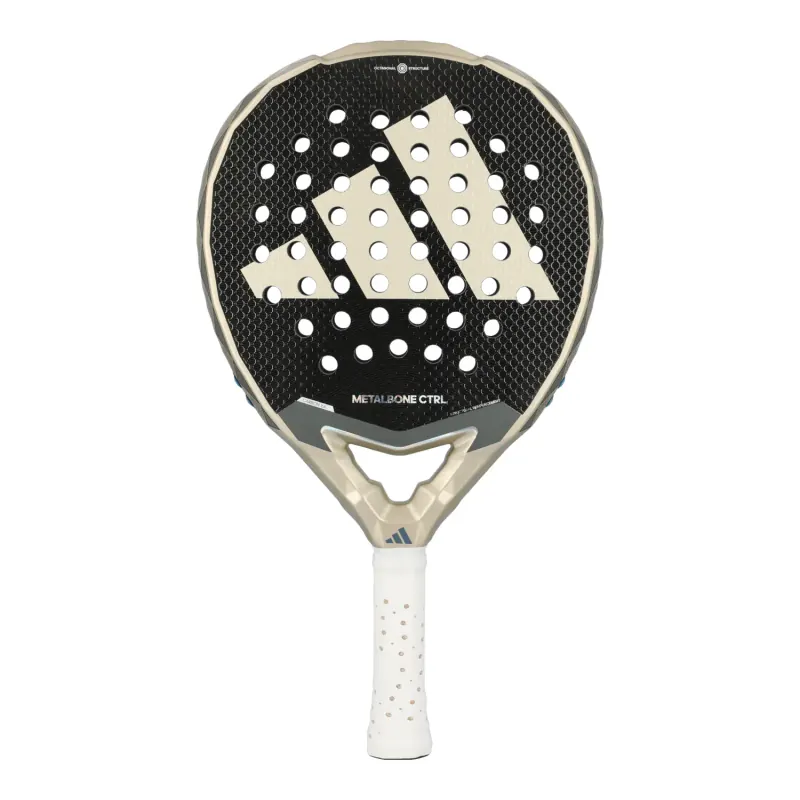
Photo: Adidas 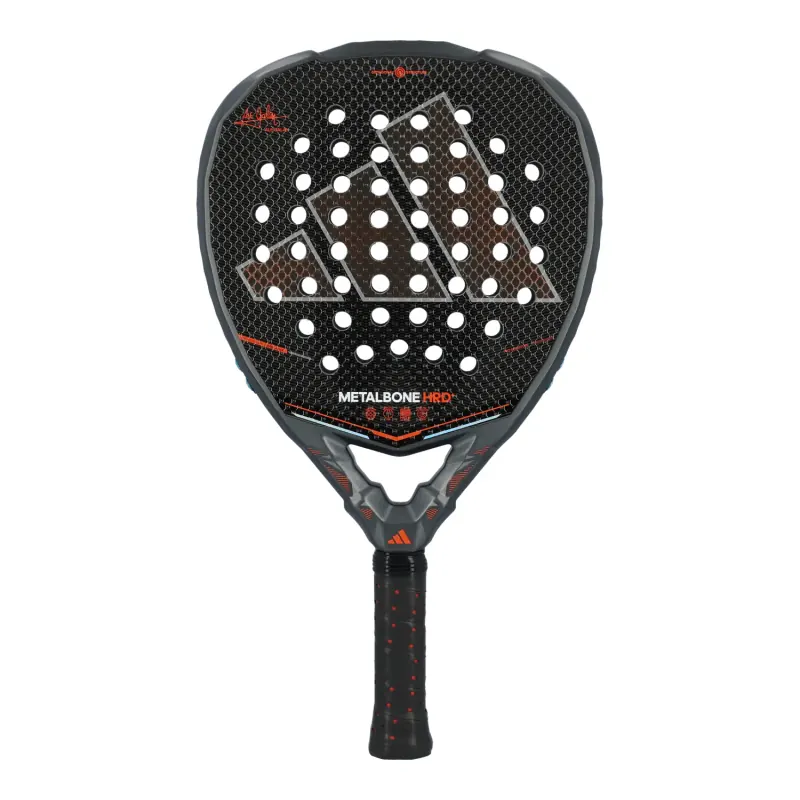
Photo: Adidas 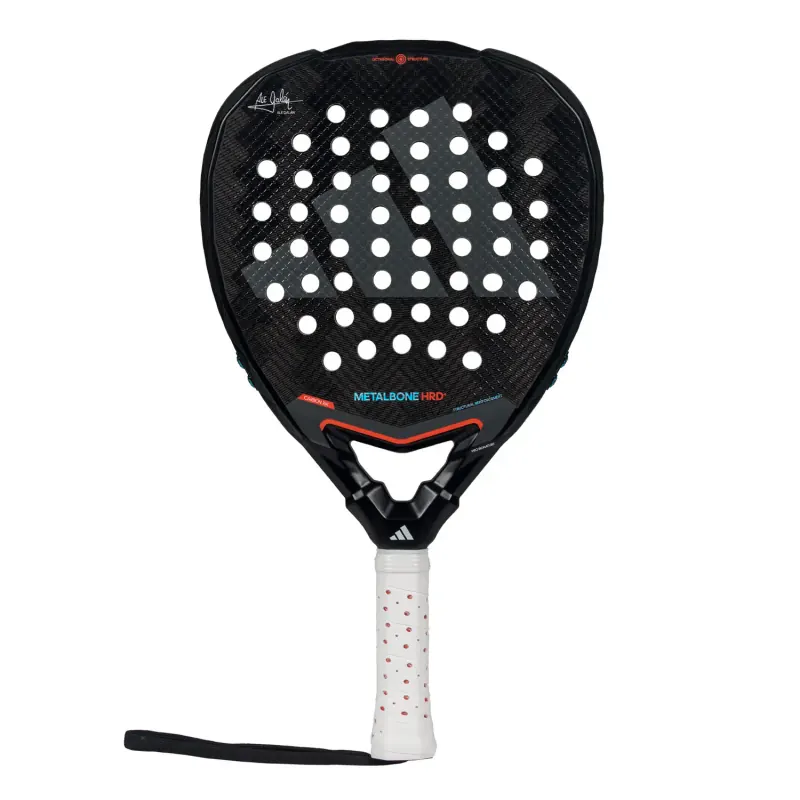
Photo: Adidas 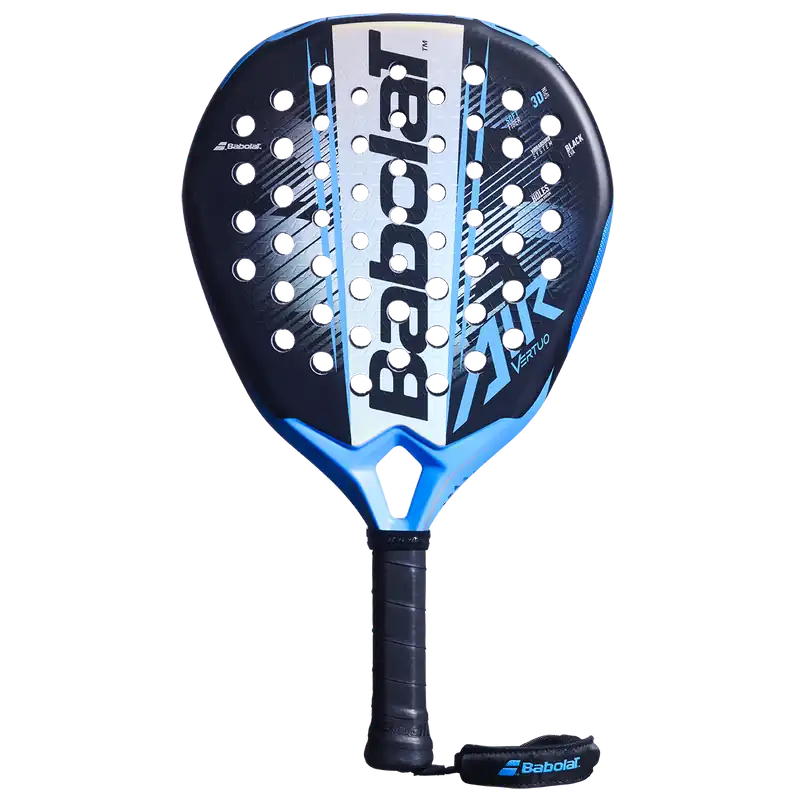
Photo: Babolat 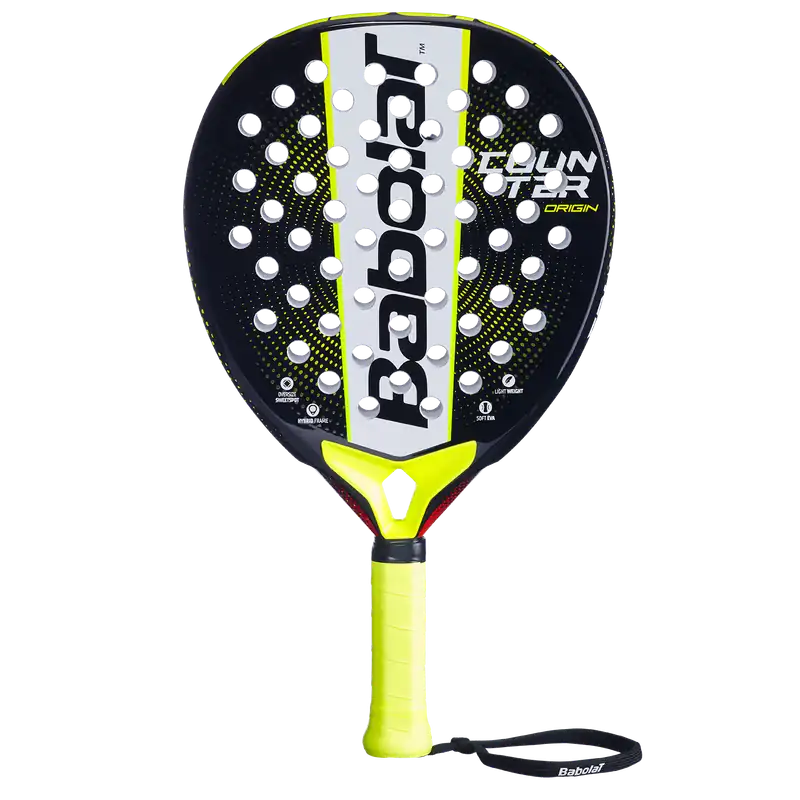
Photo: Babolat 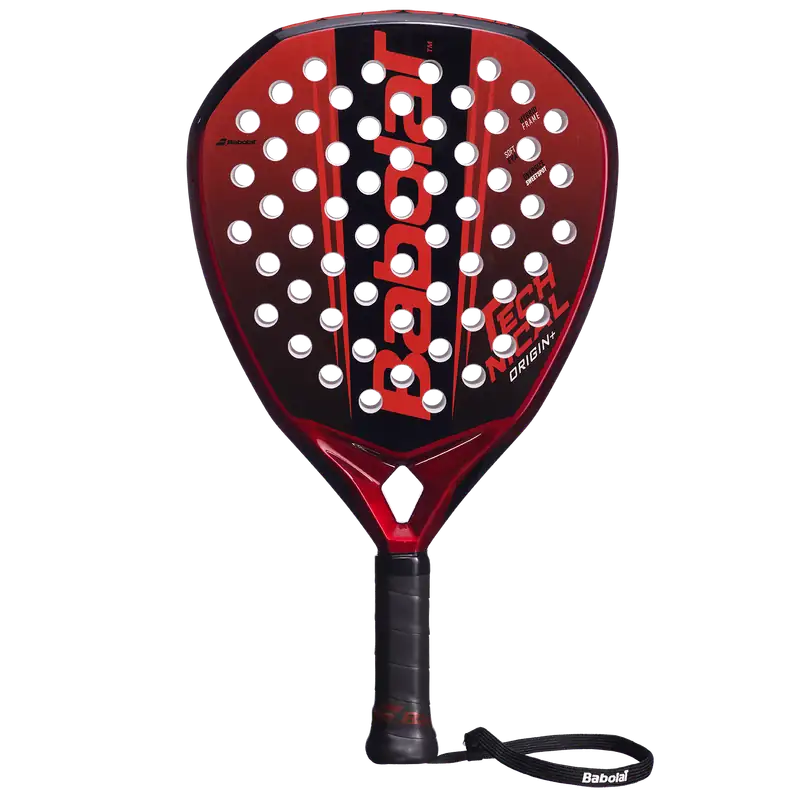
Photo: Babolat
Show the other 16
- Veron Juan Lebrón 3.1
360 g
- Coello Team
360 g
- Coello Team 2025
360 g
- Evo Extreme 2025
350 g
- Extreme One 2025
350 g
- Radical Motion
355 g
- AT10 Luxury Genius 12K Alum Xtreme Lite 2026
355 to 365 g
- Genius 12K Alum XTREM Lite by Agustín Tapia 2027
350 to 360 g
- Beat Control 2026
360 to 375 g
- Eternal by Sanyo Gutiérrez
350 to 370 g
- Phantom
347 to 365 g
- Shade
350 to 370 g
- MAXIMA Carbon Rose
340 to 350 g
- Maxima Prisma Orquidea
335 to 350 g
- Blade LS v4
355 g
- Endure LS v1
355 g
No racket matches these filters.
Criteria, questions and sources
Padel rackets for beginners: what to look at on the spec sheet
How to read this page
For a first racket, look at the data the manufacturer prints: shape, weight, balance, core and face.
This page lists the rackets that the site's recommender places among the first for the beginner level, based on the catalogue data, with a link to each spec sheet and the date it was consulted.
All legal rackets share the same maximum measurements, so what changes is the declared data.
The order of the list is alphabetical and does not indicate quality.
The essentials
What data to look at on a first racket.
A starter racket is compared using the same fields as any other. The maximum measurements in the rules do not help you choose because they are the same for all rackets. The cited sources do not establish which combination of data is right for starting out, so the list is ordered by data and not by performance promises.
Missing data.
Some spec sheets do not declare the core. A missing value means that the manufacturer's sheet does not print it, not that the racket lacks it. A racket without that value is harder to compare, and that is a practical drawback of choosing it from the spec sheet alone.
Core according to each brand.
NOX names its cores using its own scale.
Other brands use other names.
Level according to the brand.
The level of each racket is the one its brand prints on the spec sheet, exactly as written, without translating it to our scale. Other brands use different labels, such as a type of player, and that label is not equivalent to Beginner. The list on this page may differ from what a brand prints: they are different criteria, so always check the manufacturer's spec sheet.
Before deciding. The cited sources do not compare rackets with one another or say that one is better for starting out, and no evidence on this page indicates that paying more for a racket gives a better result to someone who is starting. The page does not show prices.
Checklist
- Look at shape, weight and balance on the same scale: each brand uses its own words, for example Low, Medium or millimetres.
- Check which data the spec sheet does not declare, such as the core, and do not take them for granted.
- Do not rely only on the level label: each brand writes its own.
- Do not compare materials from different brands as if they were the same scale.
Frequently asked questions
Which racket should I buy first?
The sources on this page do not say which racket suits each person, so we cannot point to one. What you can do is compare the spec sheets by shape, weight, balance, core and face, and notice which data the manufacturer does not declare. This page does not show prices.
When does it make sense to change racket?
The cited sources do not set a moment or a criterion for changing racket. If you change, compare the same spec sheet fields again with those of your current racket.
Sources
- Reglas del Pádel (revisión de aplicación 01.01.2026), Federación Internacional de Pádel. Accessed on October 13, 2026.
- Tecnología Premium NOX: glosario de tecnologías de las palas, NOX. Accessed on October 13, 2026.