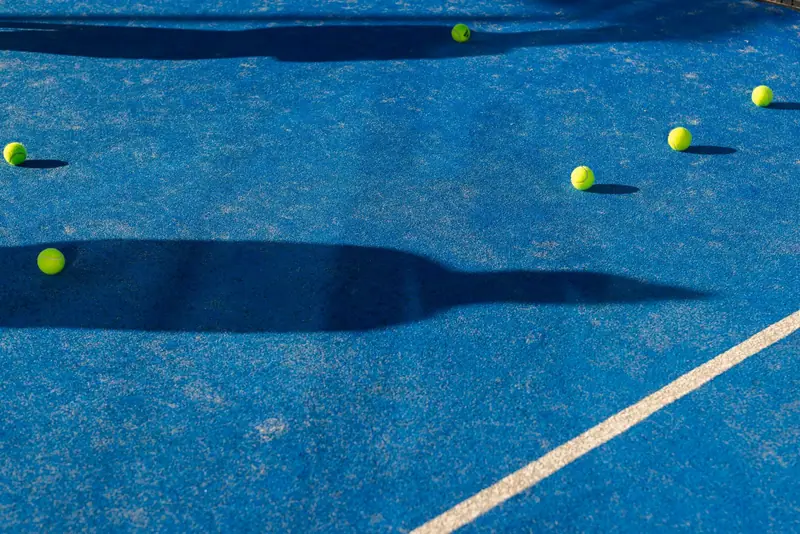
diamond shaped rackets: weight, balance and material
56 of the 171 rackets with a spec sheet declare a diamond shape in their official spec sheet. Here, with the data as each brand publishes it.
56
rackets, from 11 brands
Source: each manufacturer's official spec sheets, accessed on November 2026.
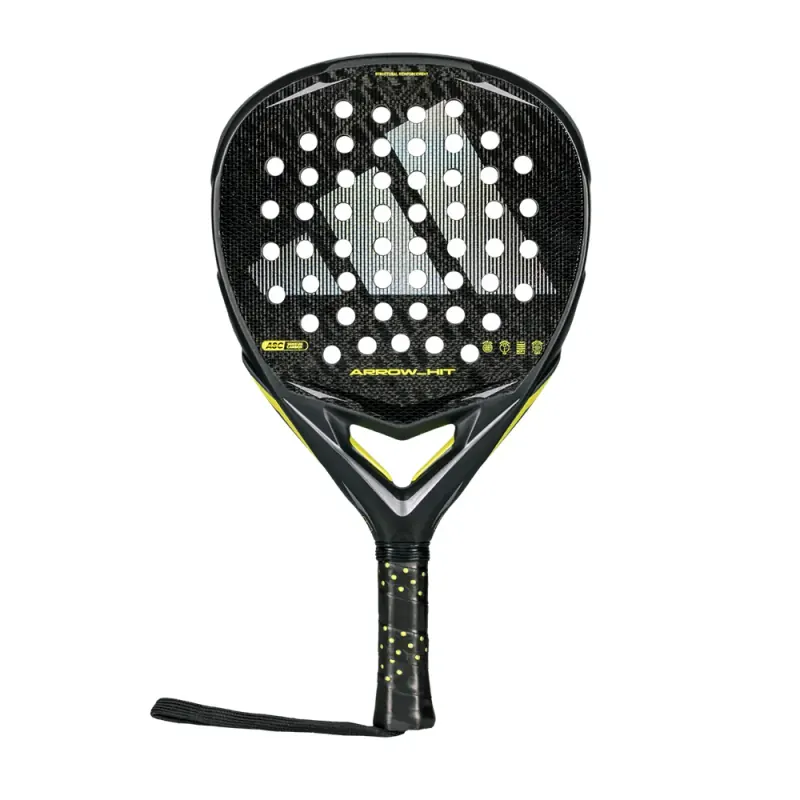
Photo: Adidas 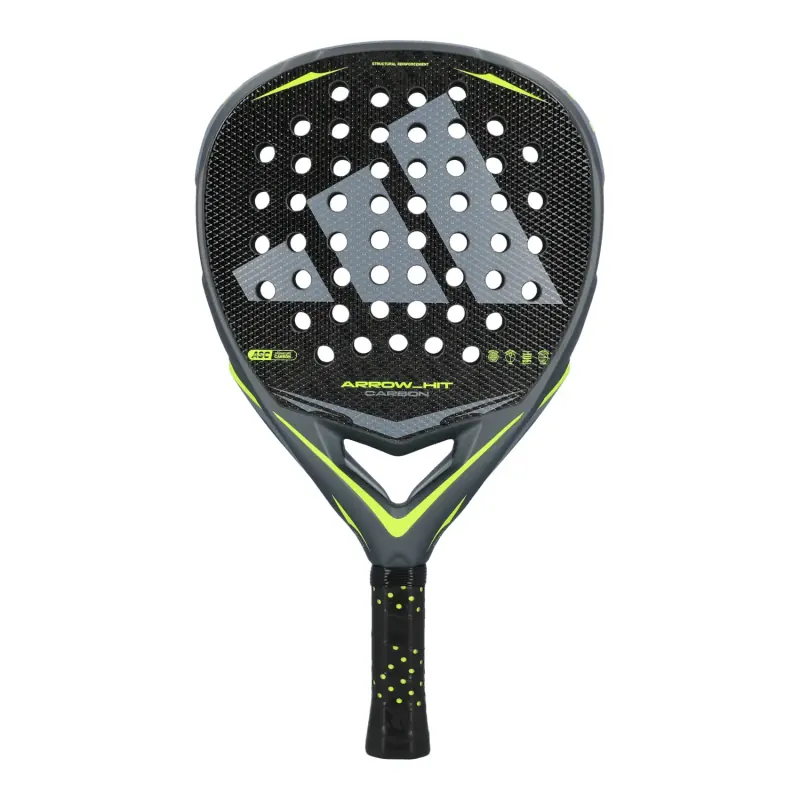
Photo: Adidas 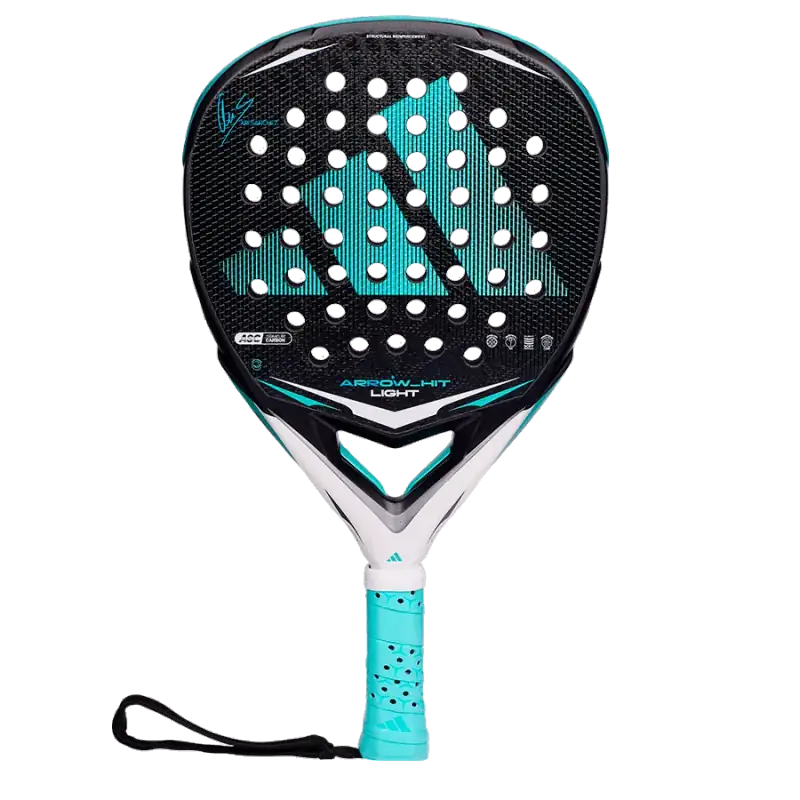
Photo: Adidas 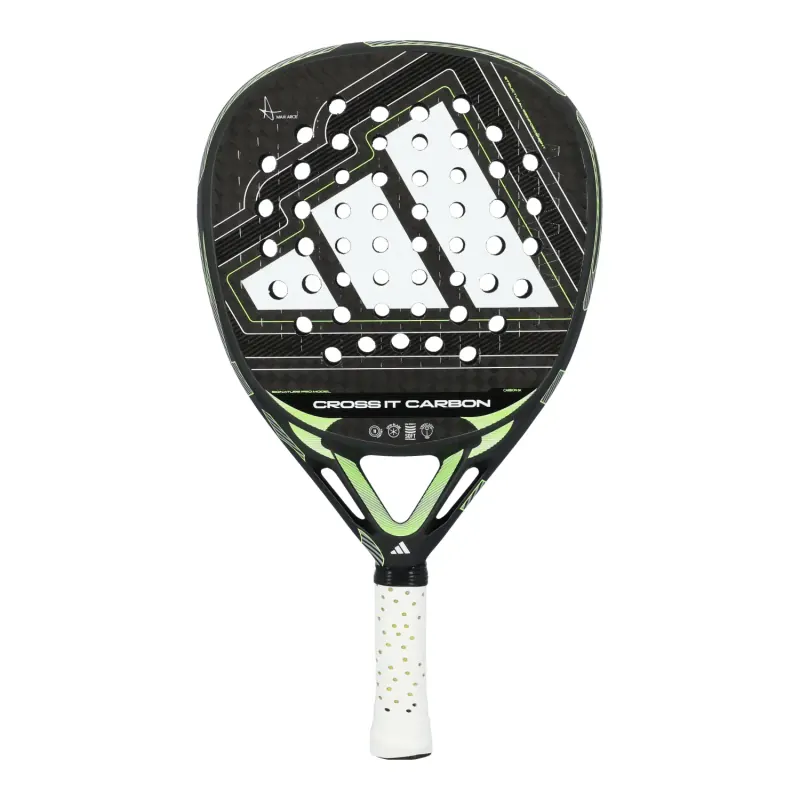
Photo: Adidas 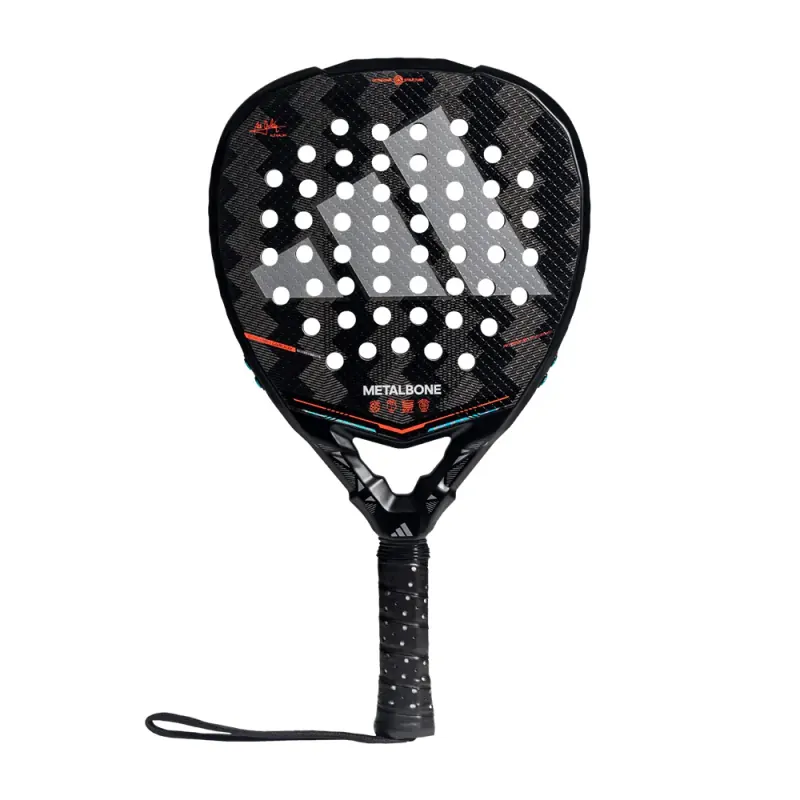
Photo: Adidas 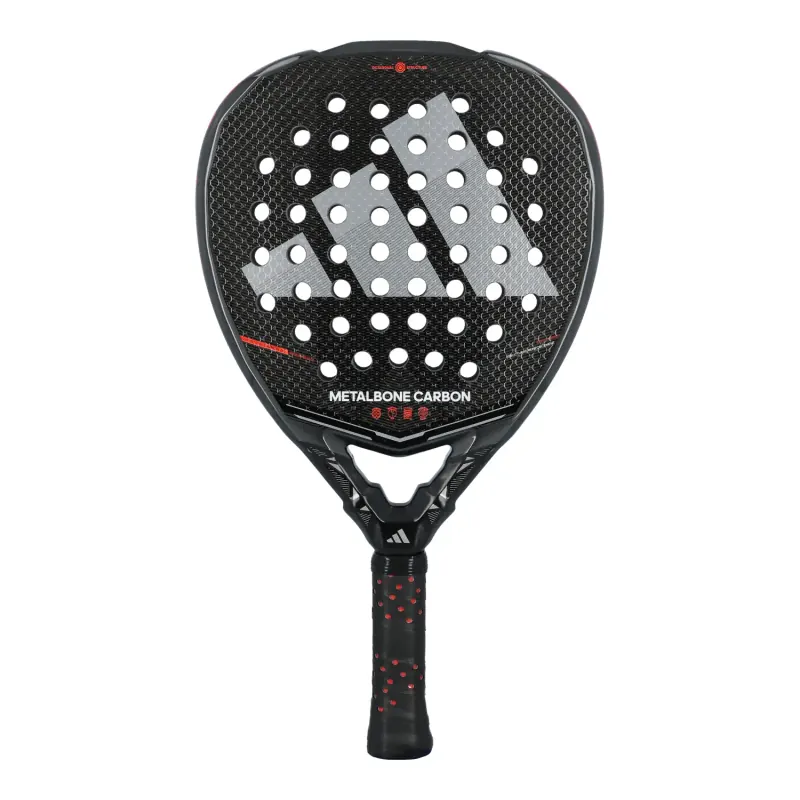
Photo: Adidas 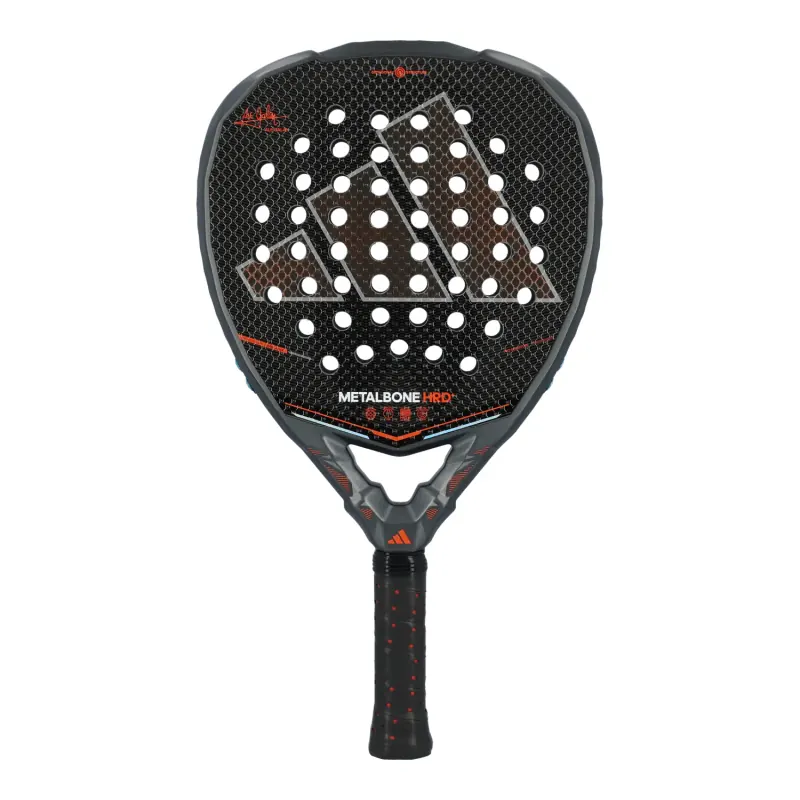
Photo: Adidas 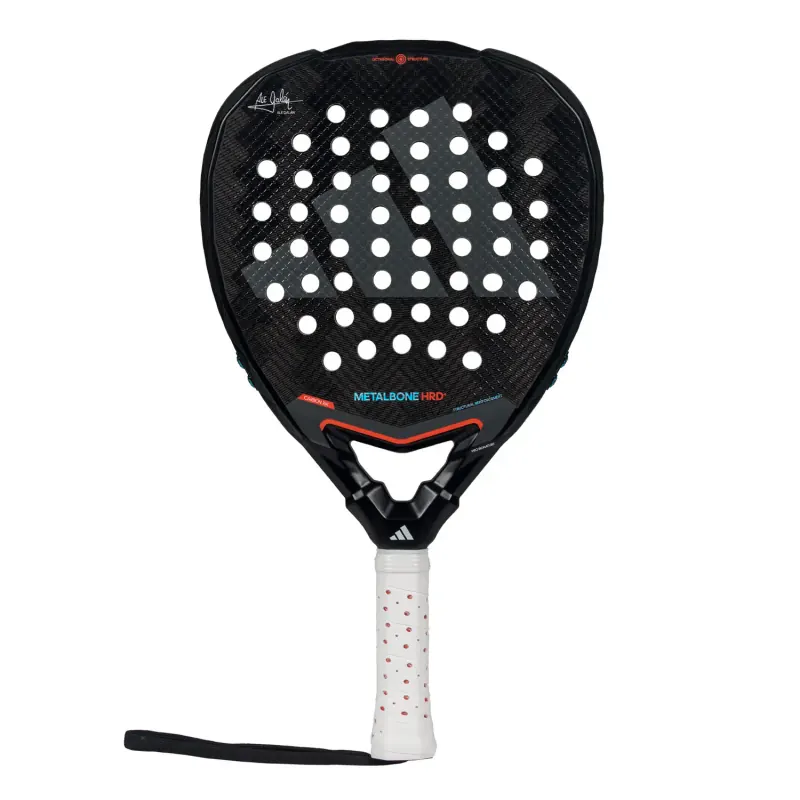
Photo: Adidas
Show the other 48
- Metalbone Team
360 to 375 g
- Technical Origin +
355 g
- Veron Juan Lebrón 3.1
360 g
- Viper Juan Lebrón 3.1
370 g
- Viper Soft Juan Lebrón 3.1
365 g
- Hack 04 2025 Paquito Navarro
365 to 375 g
- Hack 05 Paquito Navarro
365 to 375 g
- Icon 26
370 to 375 g
- Icon Juan Martin Diaz
370 to 375 g
- Vertex 04 25
365 to 375 g
- Vertex 05
365 to 375 g
- Vertex 05 Geo Pablo Cardona
365 to 375 g
- Vertex 05 Juan Tello
365 to 375 g
- Xplo 26
365 to 375 g
- Coello Motion
360 g
- Coello Pro 2025
375 g
- Coello Pro Arturo Coello
370 g
- Coello Team
360 g
- Coello Team 2025
360 g
- Extreme Motion 2025
360 g
- Extreme One 2025
350 g
- Extreme One X 2025
370 g
- Extreme Pro 2025
370 g
- Extreme Team 2025
360 g
- APPT
355 to 360 g
- Gold Pro
350 to 360 g
- Hyper Pro Hrd
360 to 370 g
- Hyper Pro Sft
350 to 360 g
- AT10 Luxury Genius Attack 18K Alum 2026
360 to 375 g
- EA10 Ventus Attack 12K XTREME by Edu Alonso
360 to 375 g
- Genius Attack 12K Alum XTREM by Agustín Tapia 2027
360 to 375 g
- Genius Attack 18K Alum by Agustín Tapia 2027
360 to 375 g
- Ventus Attack 12K XTREM by Aimar Goñi 2027
360 to 375 g
- JPN Pro Blue 2026
360 to 380 g
- JPN Pro Red 2026
360 to 380 g
- R Ace 2026
365 to 380 g
- R Ace Light 2026
350 to 365 g
- R Control 2026
360 to 375 g
- R Fury 2026
365 to 380 g
- R30 Golden White 2026
360 to 380 g
- Fenix Pro 2026 Glow Purple
360 to 375 g
- Tritón Balance +
358 g
- Tritón Power +
358 g
- Tritón T-One by Tamara Icardo
347 to 366 g
- Bourne Prisma Carbon Soft
345 to 360 g
- Defy Pro v1
370 g
- Defy v1
365 g
- Defy v1 SE
365 g
No racket matches these filters.
56 rackets · alphabetical order by brand and model · "No data" when the official spec sheet does not publish it
The diamond shape in the catalogue
56 of the 171 rackets with a spec sheet declare a diamond shape, across 11 brands. The other shapes in the same catalogue:
Criteria, questions and sources
Diamond-shaped padel rackets: spec sheets compared
How to read this page
A diamond-shaped padel racket is one that the manufacturer prints as diamond on its spec sheet.
This page lists them in alphabetical order, without links to shops, and shows for each one the shape, the weight and the balance.
You will find the core and the face on the spec sheet of each racket, with the source of each value and the consultation date.
The order does not indicate quality.
The shape does not change the measurements in the rules, which are the same for all.
The essentials
What a diamond racket is.
There is no official definition of shapes: the FIP sets maximum measurements and says nothing about shapes, levels or playing styles. What exists are descriptions by each brand, and they apply only to that brand.
In its guide, HEAD states that the shape determines the position of the sweet spot, which in the diamond racket is smaller and closer to the tip than in the round one, and that the diamond gives less control than the other shapes. This is HEAD's description, not a rule common to all brands.
What brands say about balance.
The same HEAD guide says that “the balance is largely determined by the shape of the racket” and that rackets with a high balance “tend to be diamond-shaped”.
Babolat, for its part, describes its diamond-shaped rackets as rackets with weight in the head and a high point of impact, and intends them for players from intermediate to expert level because they require more skill to control the ball. This is Babolat's wording for its range, not a rule.
That is why the list shows the balance each manufacturer prints: it is the value you can check racket by racket.
How brands name the shape and when it counts as diamond.
Each spec sheet records the shape as the manufacturer prints it. Some print two shapes at once, for example “Diamond / Hybrid”, and those rackets are not counted as diamond in the list. If you are looking for a specific racket and it does not appear, check the manufacturer's spec sheet.
Measurements that any shape meets.
The FIP rules set for the racket a maximum of 45.5 cm total length, 26 cm head width and 38 mm thickness, with a 2.5% tolerance on thickness, and those limits apply to all rackets, whatever their shape.
Maximum dimensions in the FIP rules
- Total length
- 45.5 cm
- Head width
- 26 cm
- Thickness
- 38 mm
Source: Reglas del Pádel (revisión de aplicación 01.01.2026), Federación Internacional de Pádel, accessed on October 13, 2026
We have no official source that says which racket suits each player, so we do not classify one shape as better than another or promise effects in play. You can compare the data each brand prints before deciding, and check it against its manufacturer's spec sheet.
Checklist
- Look at the weight and balance the manufacturer prints in the list, and at the core and the face on each racket's spec sheet, not only at the shape.
- Read the descriptions by HEAD and Babolat for what they are: each brand's explanation, not a common rule.
- Check how the spec sheet prints the shape, because some brands declare two shapes at once and those are not counted as diamond.
- Remember that the shape does not change the measurement limits in the rules.
Frequently asked questions
What does HEAD say about the diamond racket?
In its guide, HEAD states that the sweet spot of the diamond is smaller and closer to the tip than in the round one, and that it gives less control than the other shapes. It also says that rackets with a high balance tend to be diamond-shaped. This is that brand's description.
Does the diamond shape have different measurements?
No, the rules set the same limits for all shapes.
Is a “Diamond / Hybrid” racket counted as diamond?
No. Spec sheets that print two shapes at once are not counted as diamond in the list.
Sources
- Reglas del Pádel (revisión de aplicación 01.01.2026), Federación Internacional de Pádel. Accessed on October 13, 2026.
- How to choose a padel racquet (guía de HEAD, copia alojada por Padel New Zealand; la URL oficial de HEAD devolvió 429 el 2026-10-14), HEAD. Accessed on October 14, 2026.
- Raquettes Padel Diamant (página de categoría de Babolat), Babolat. Accessed on October 14, 2026.