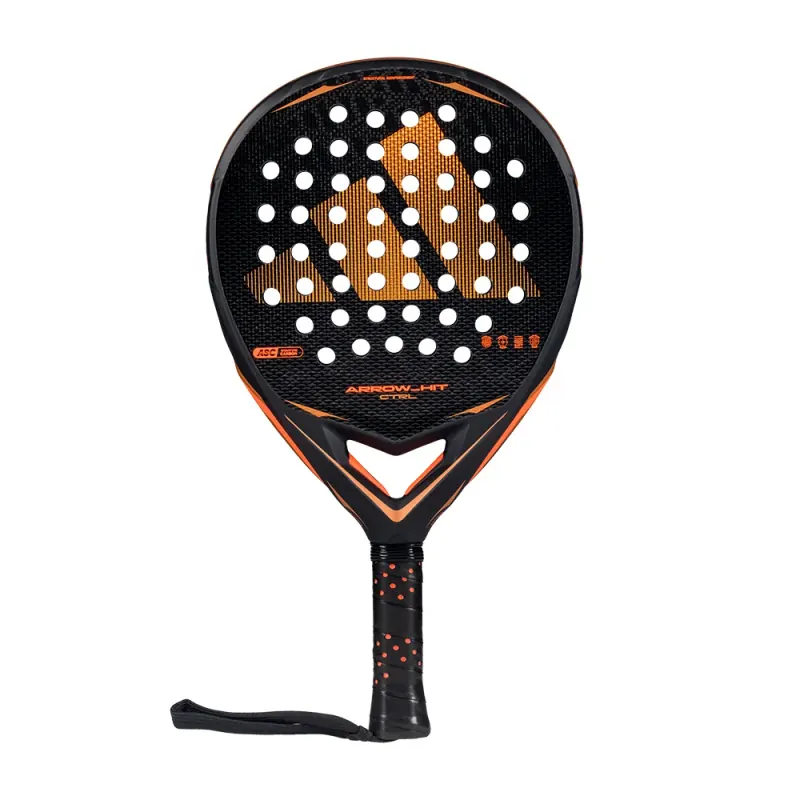
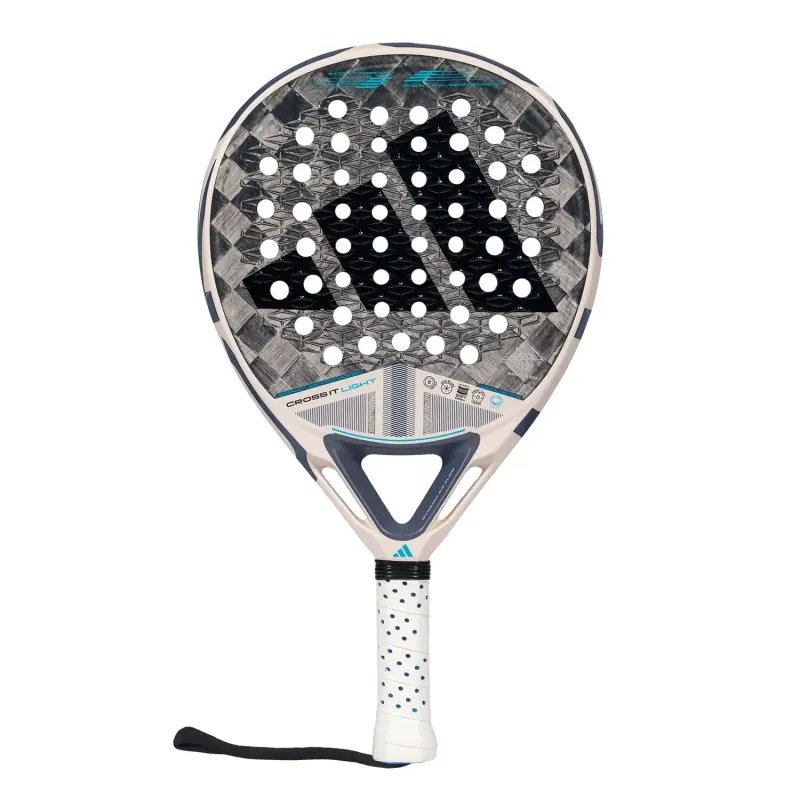
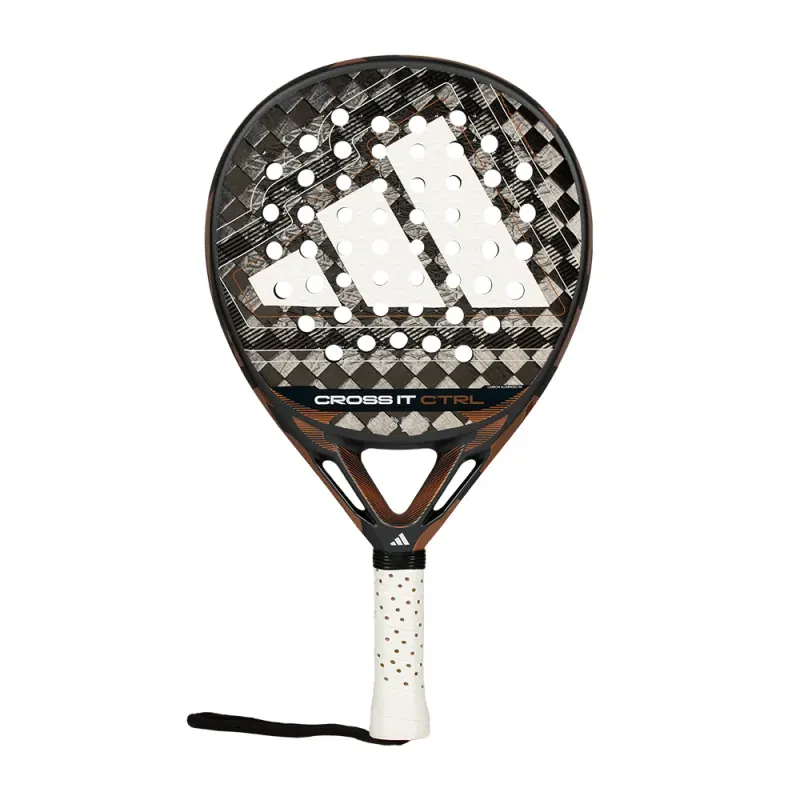
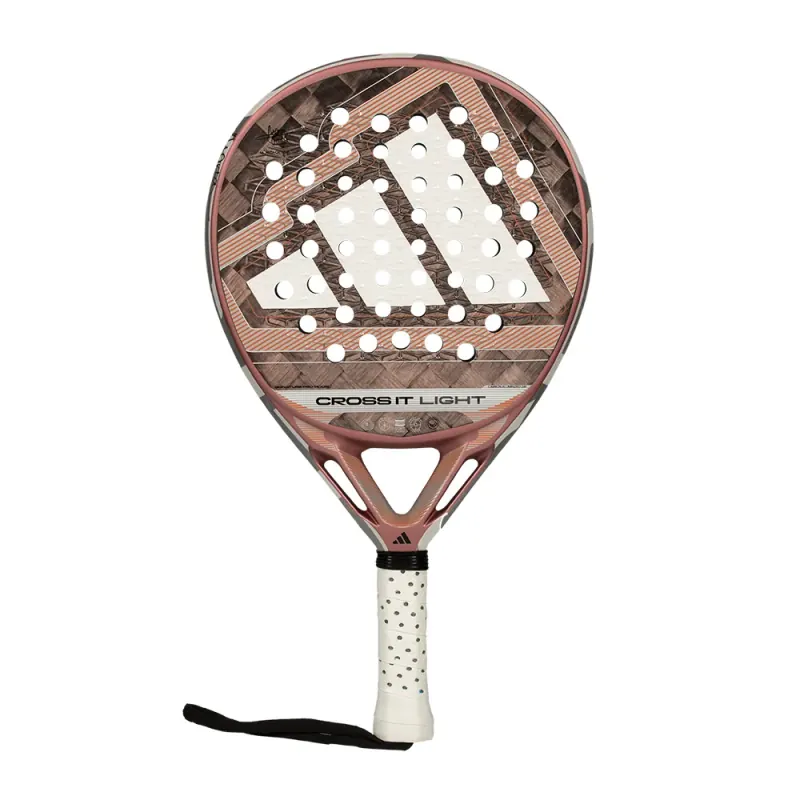
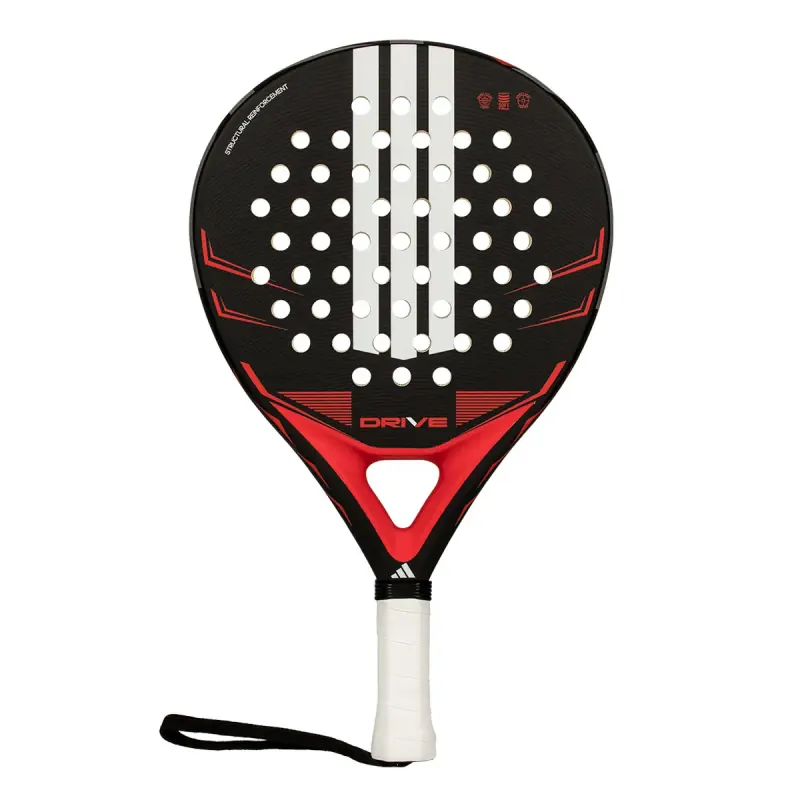
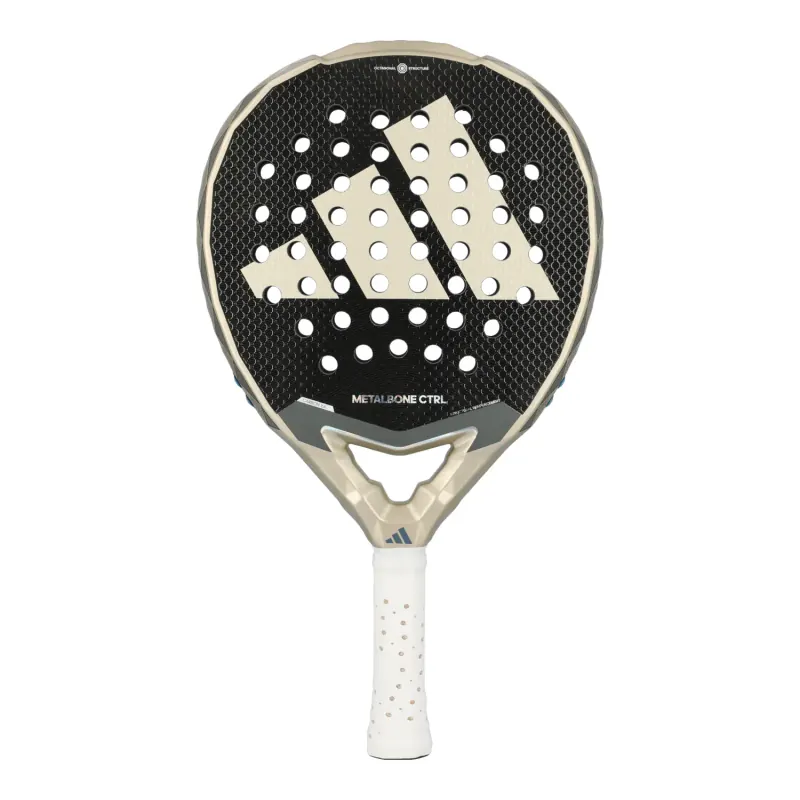
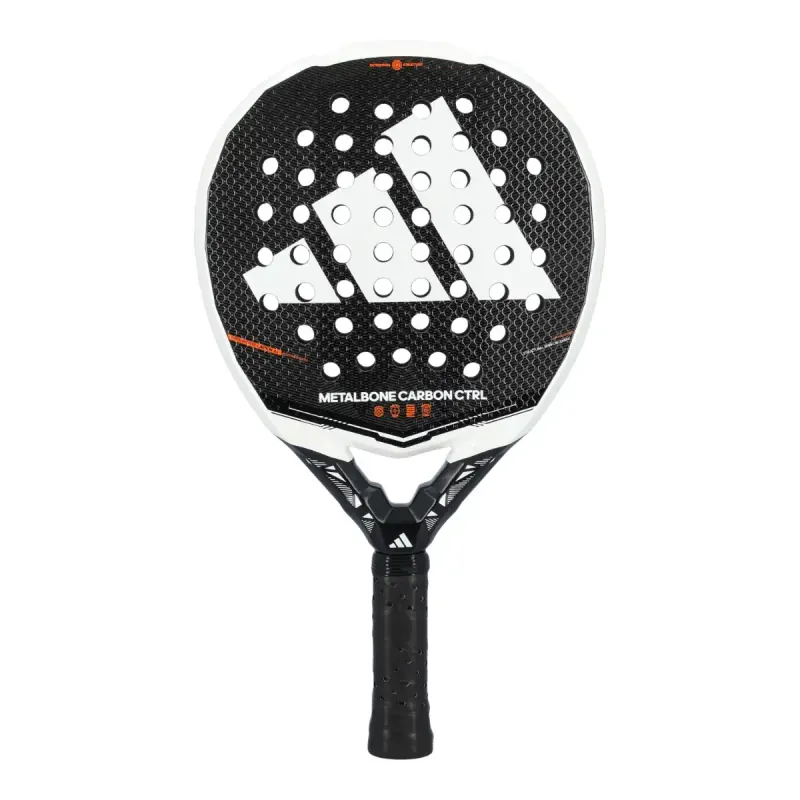
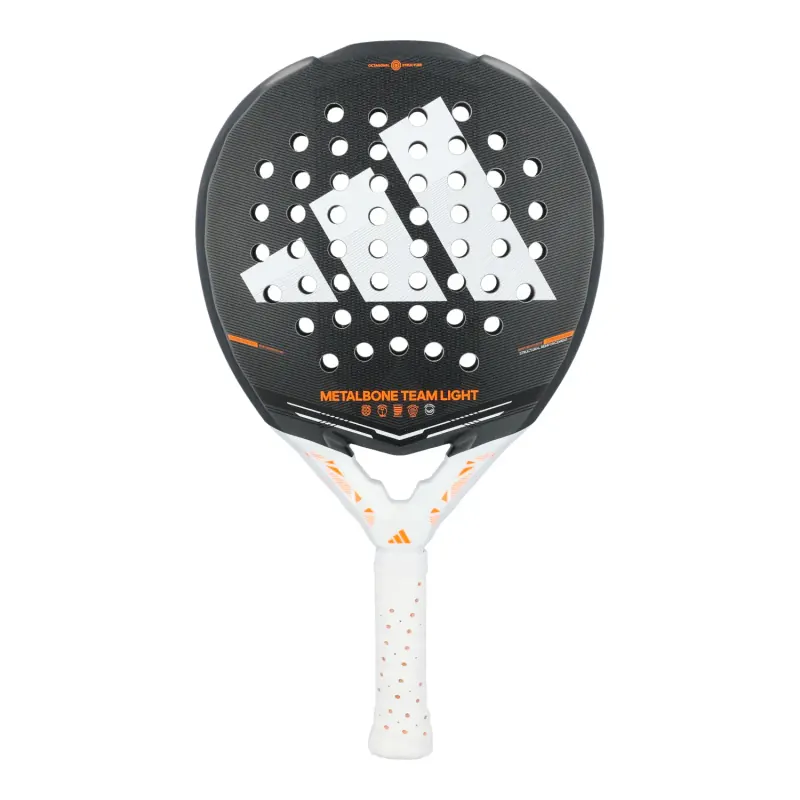
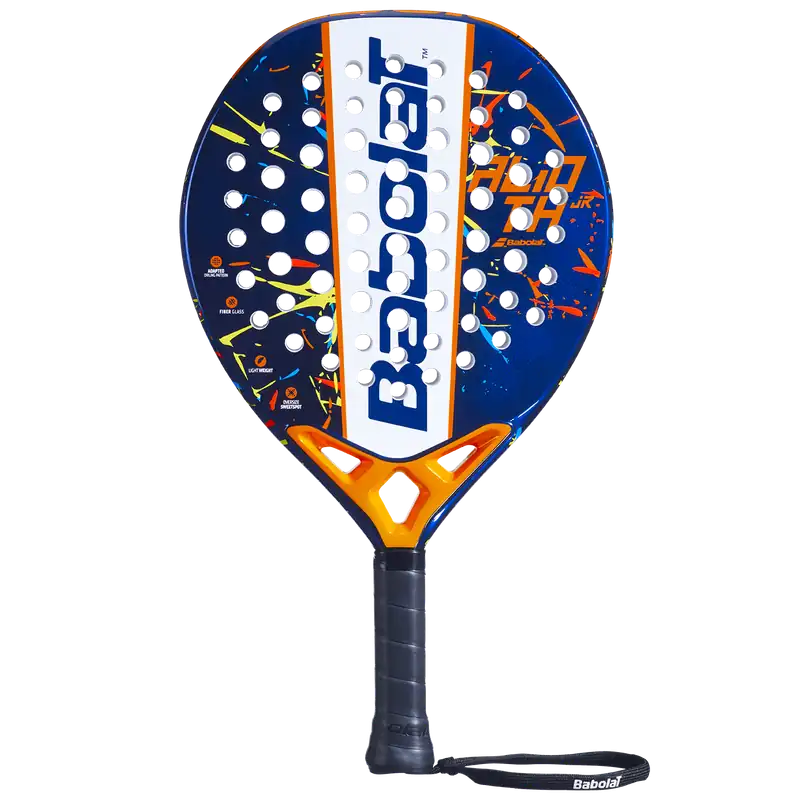
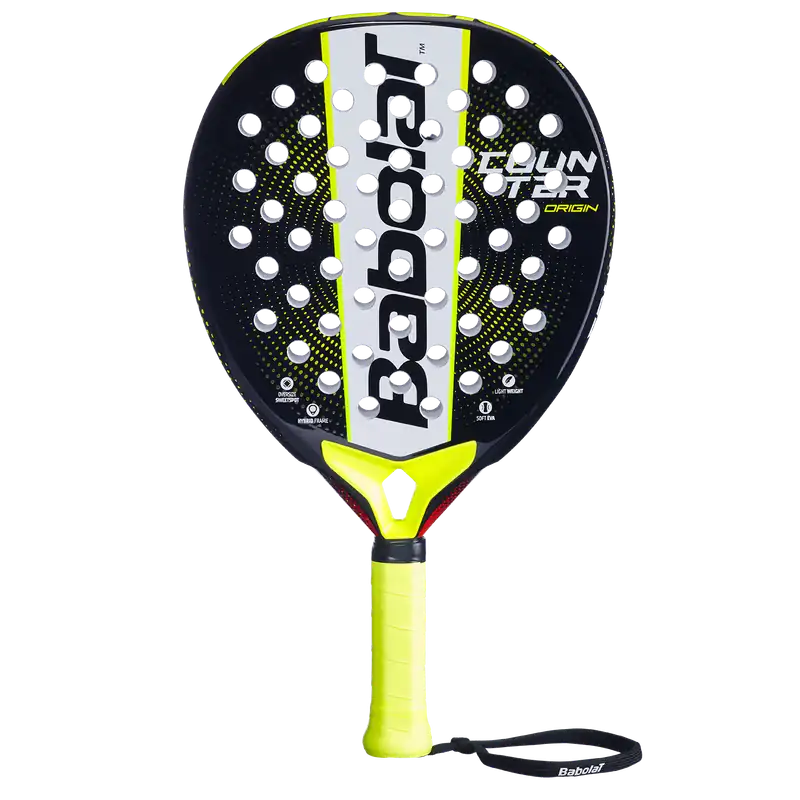
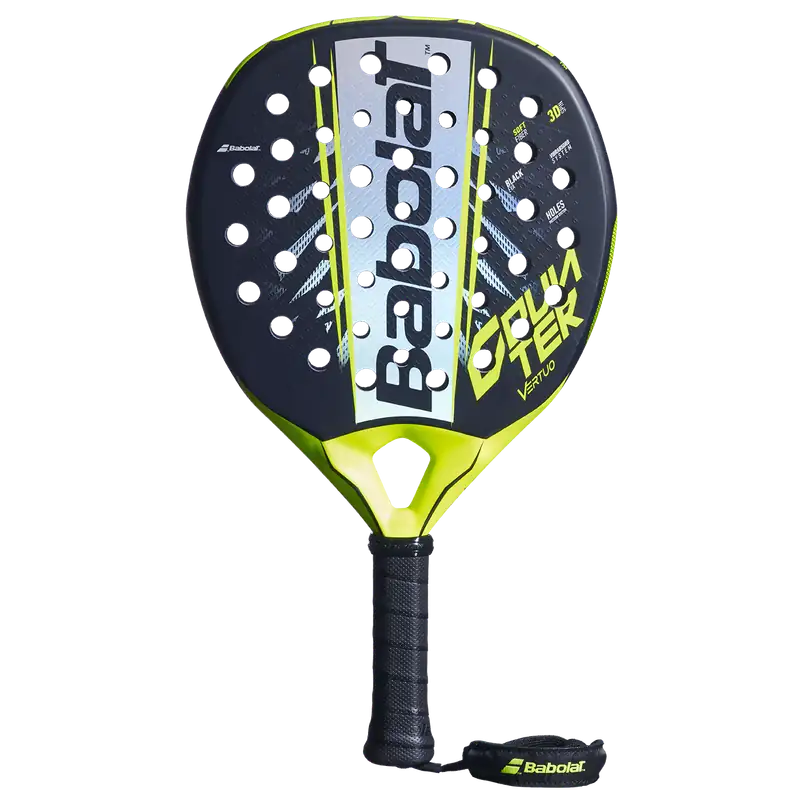
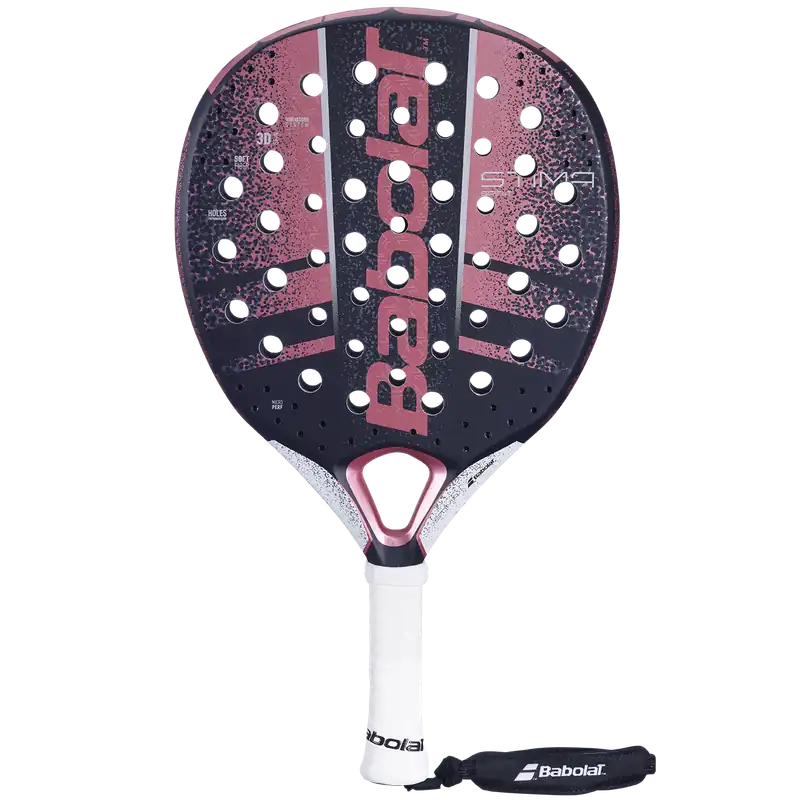
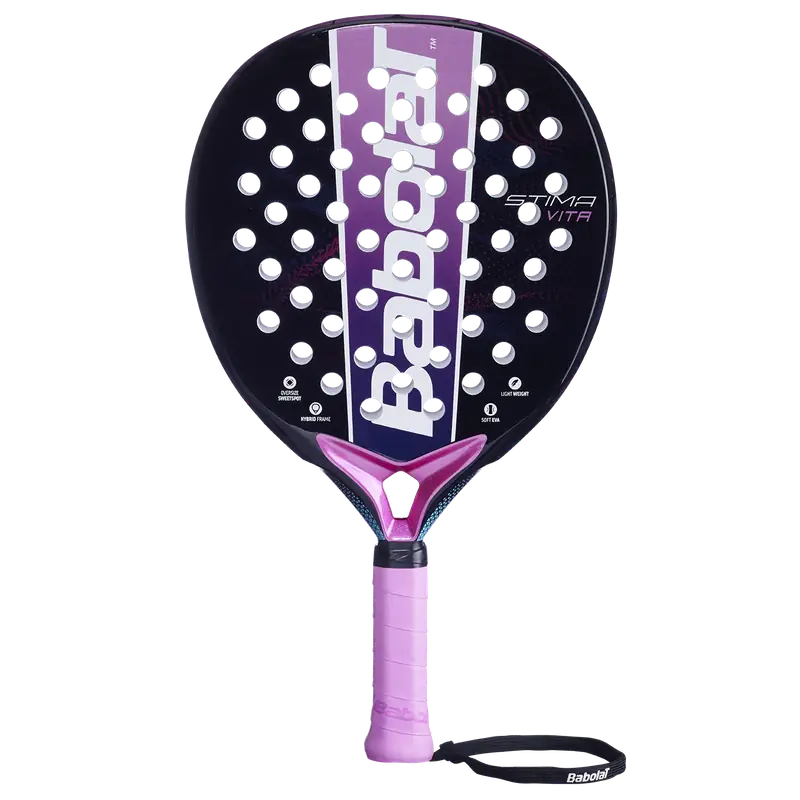
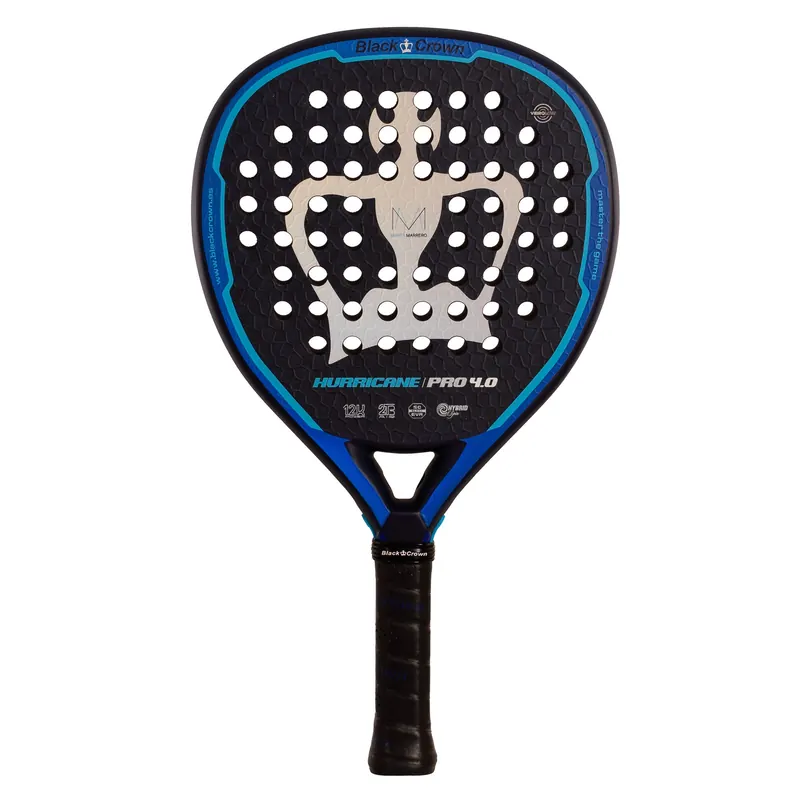
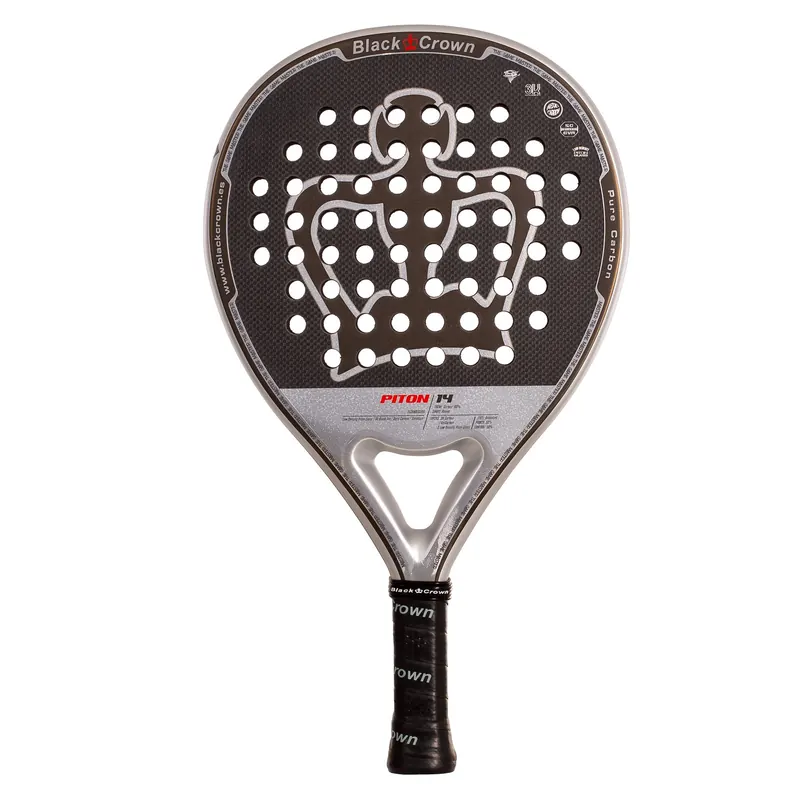
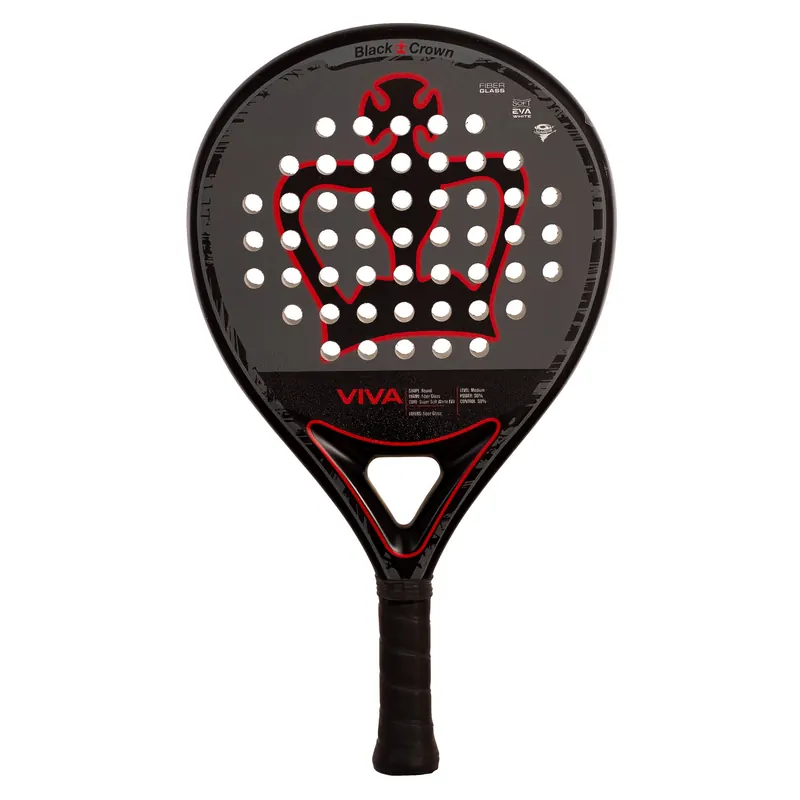
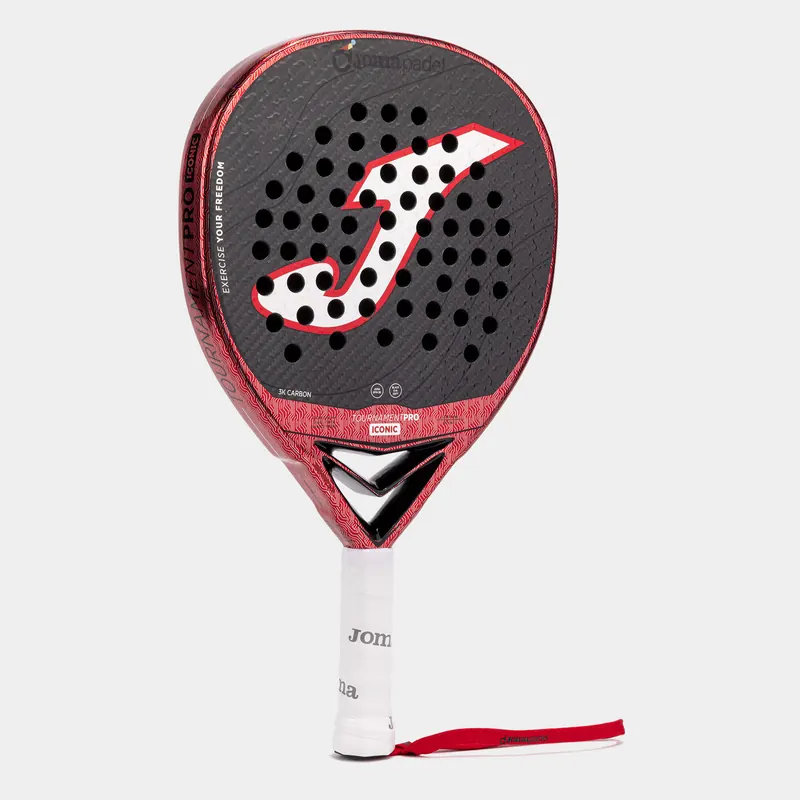
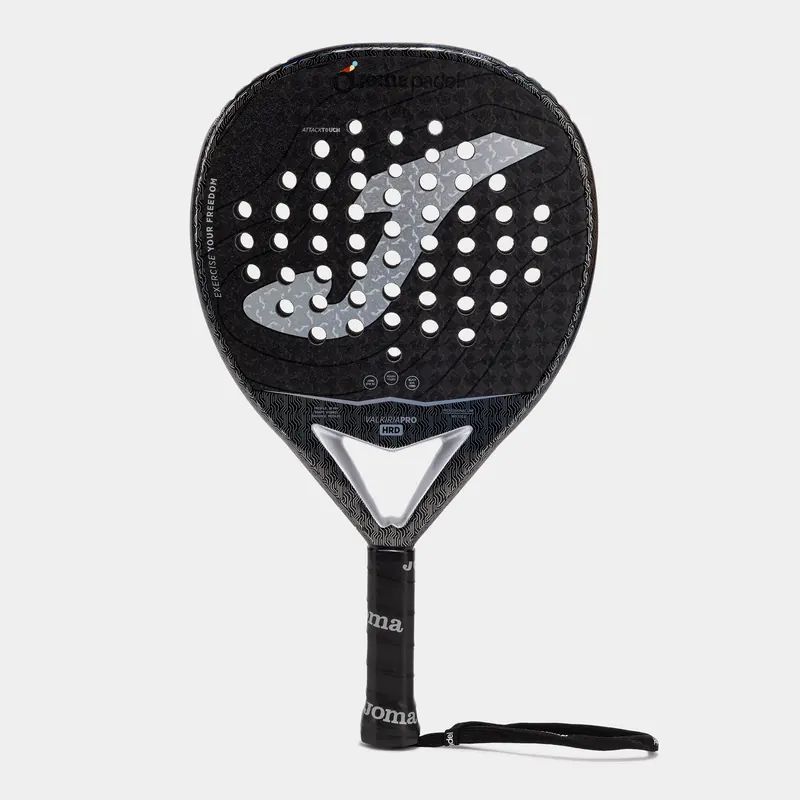
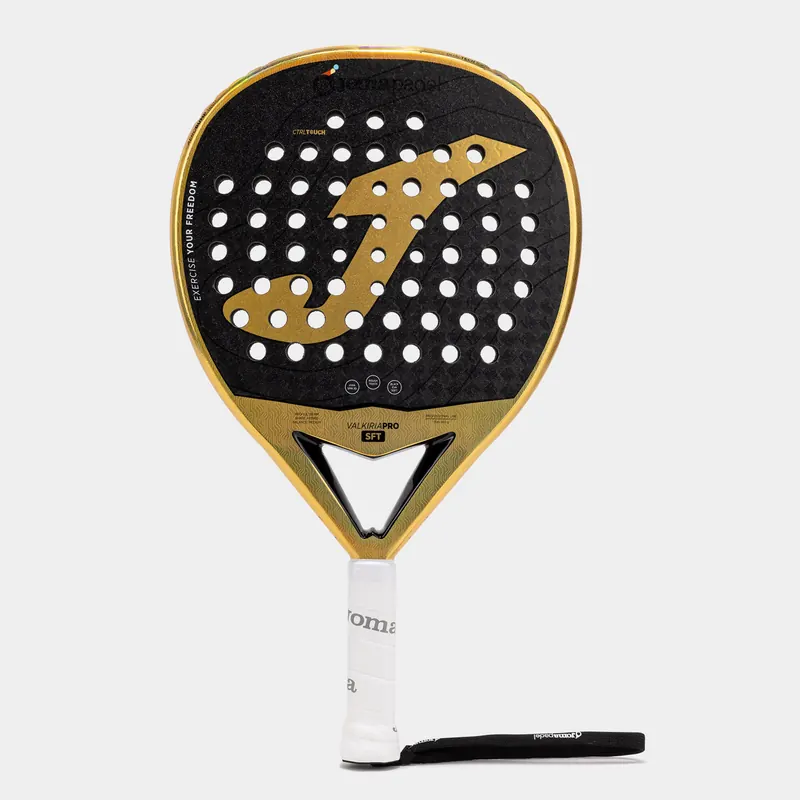
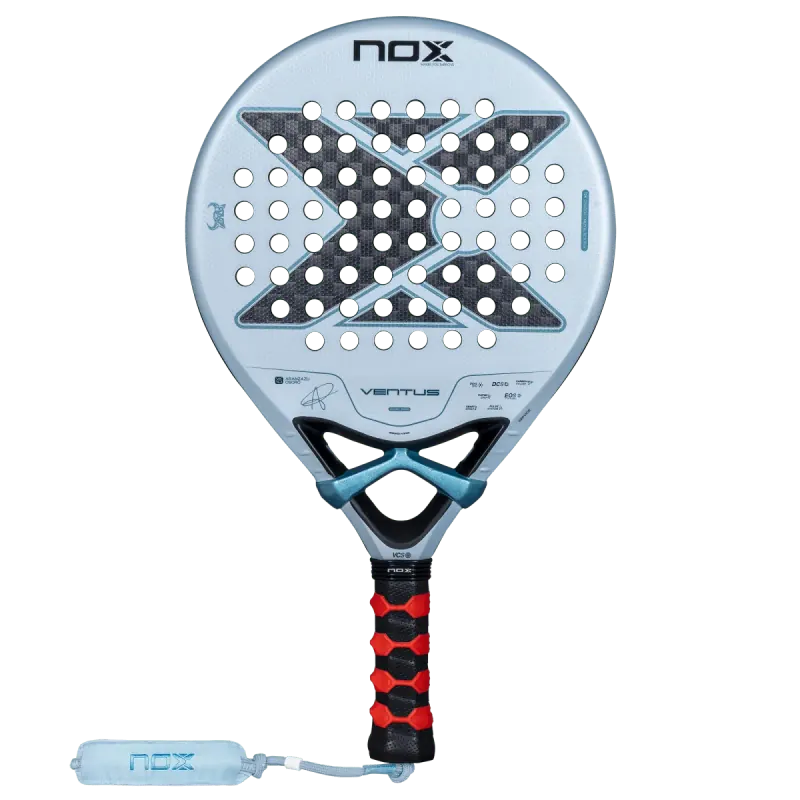
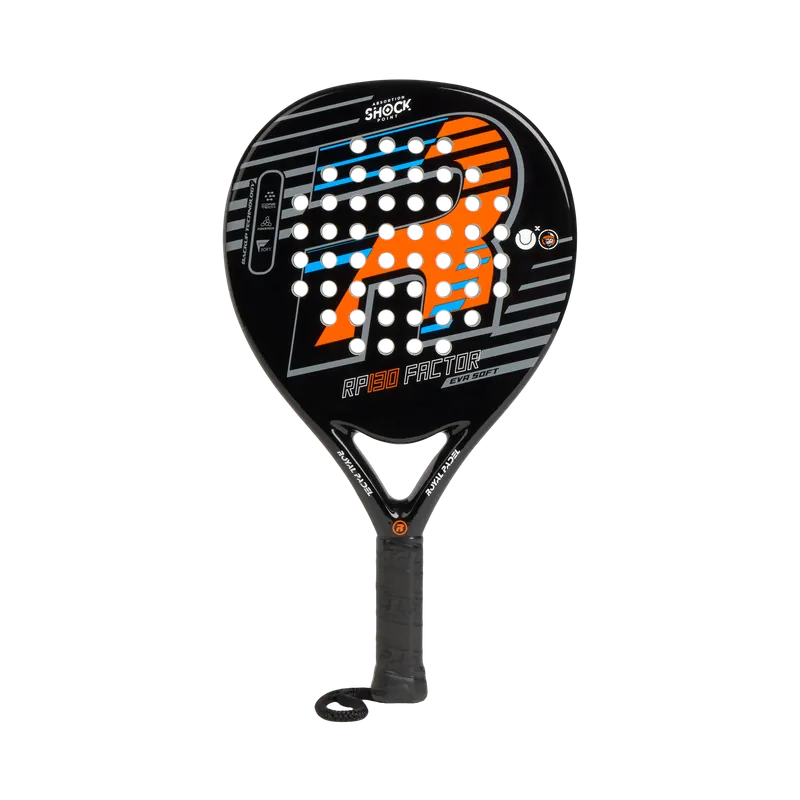
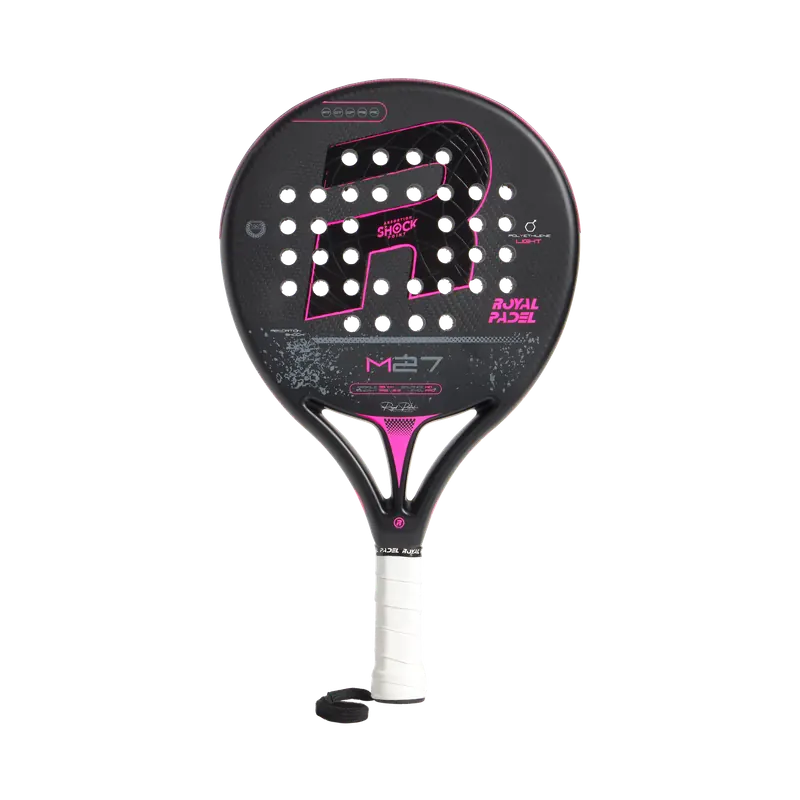
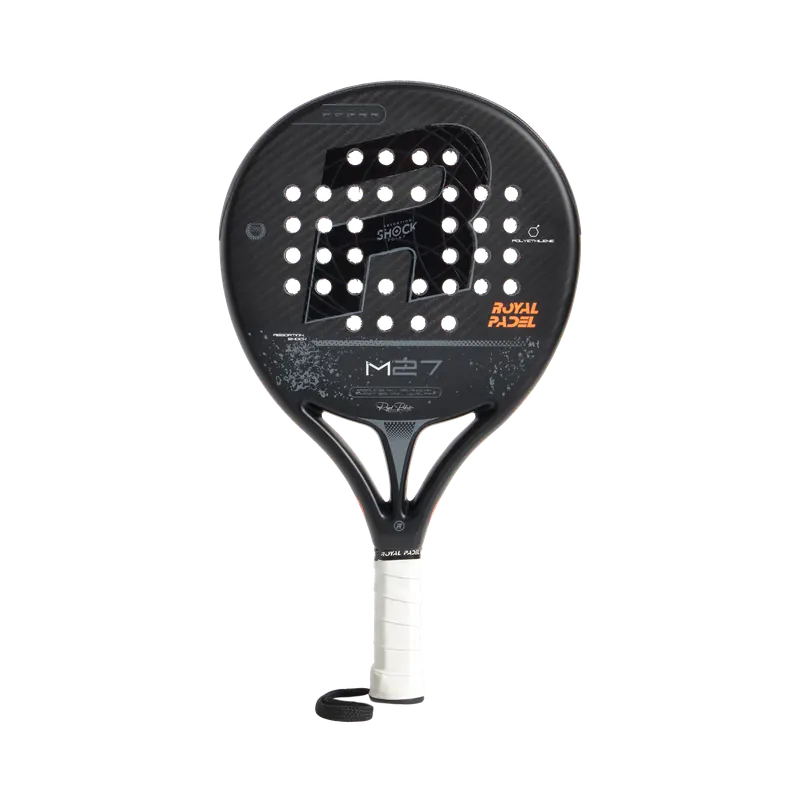
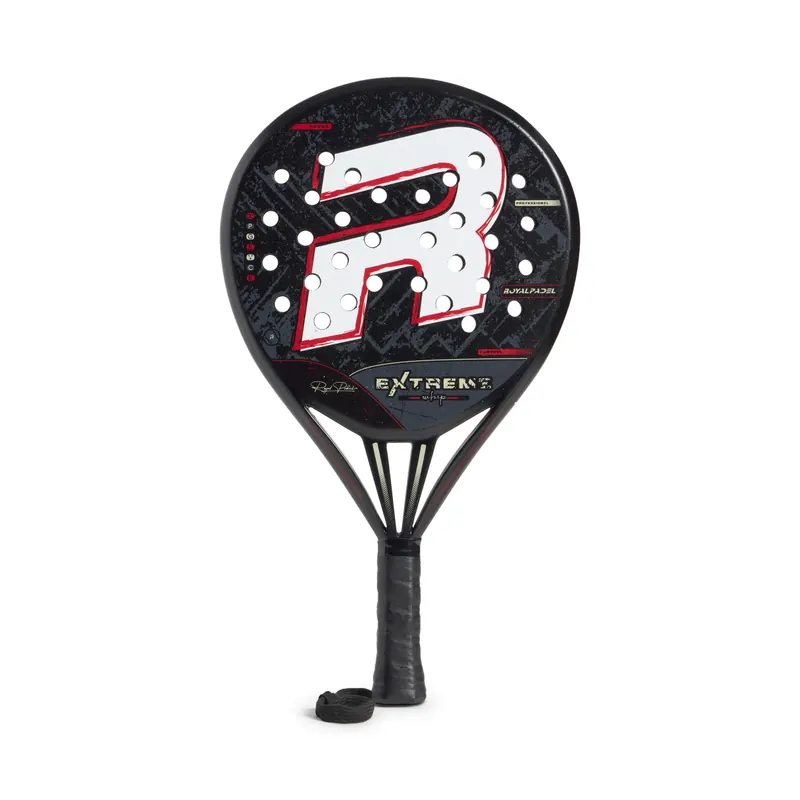
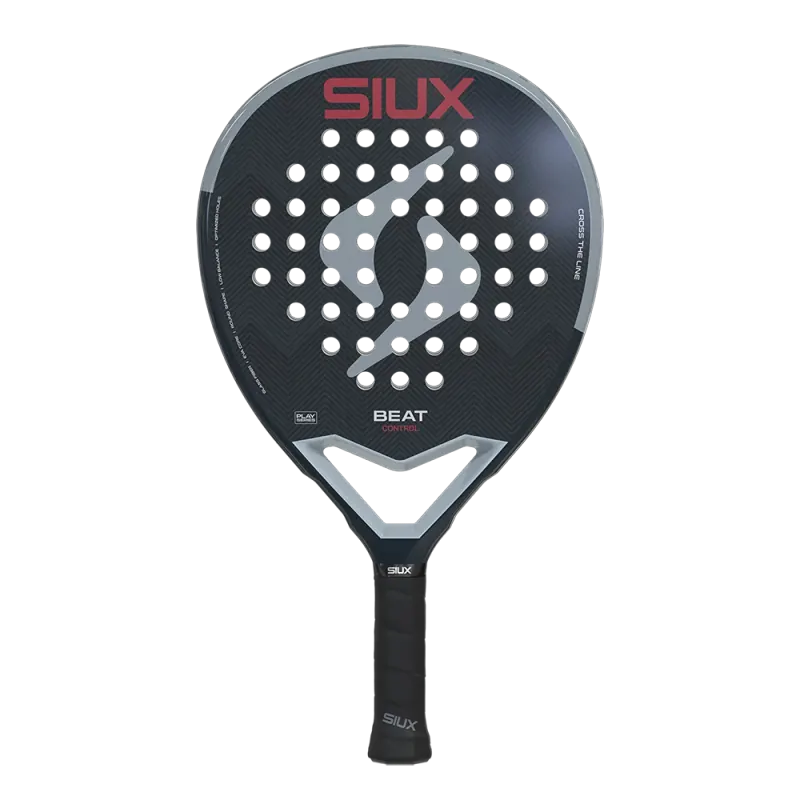
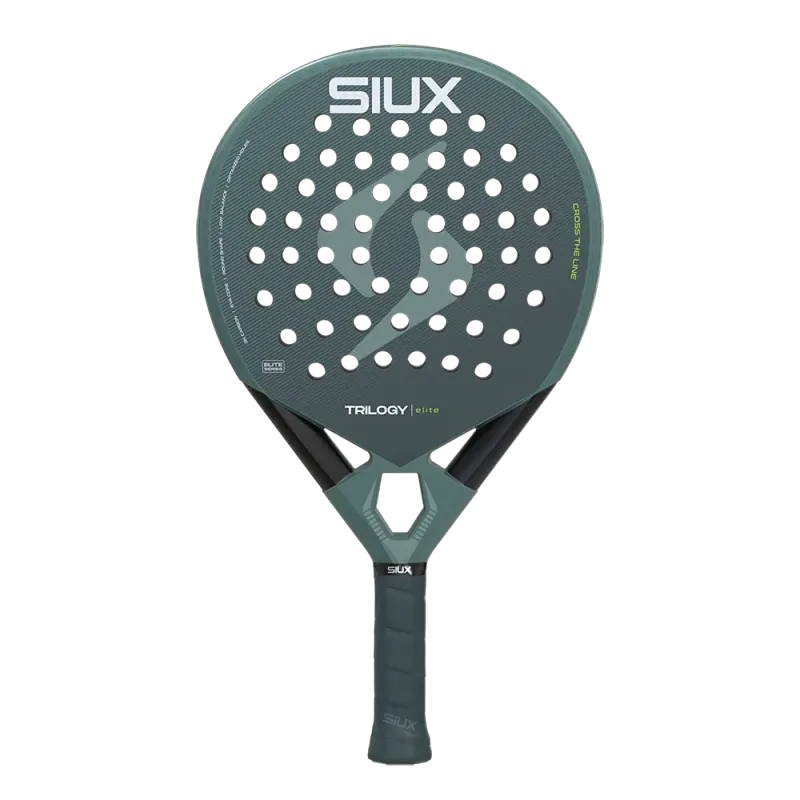
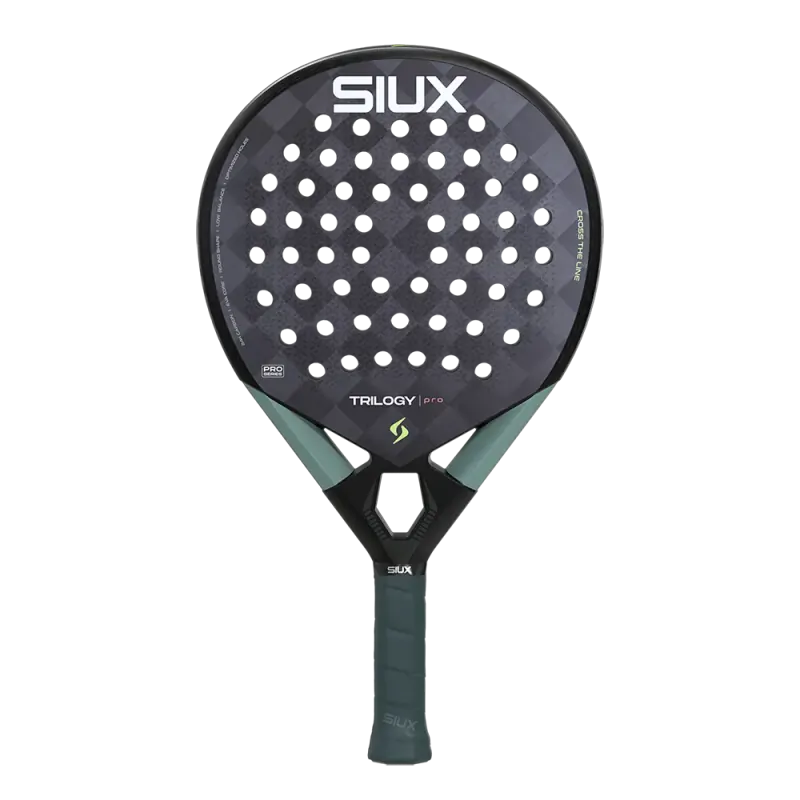
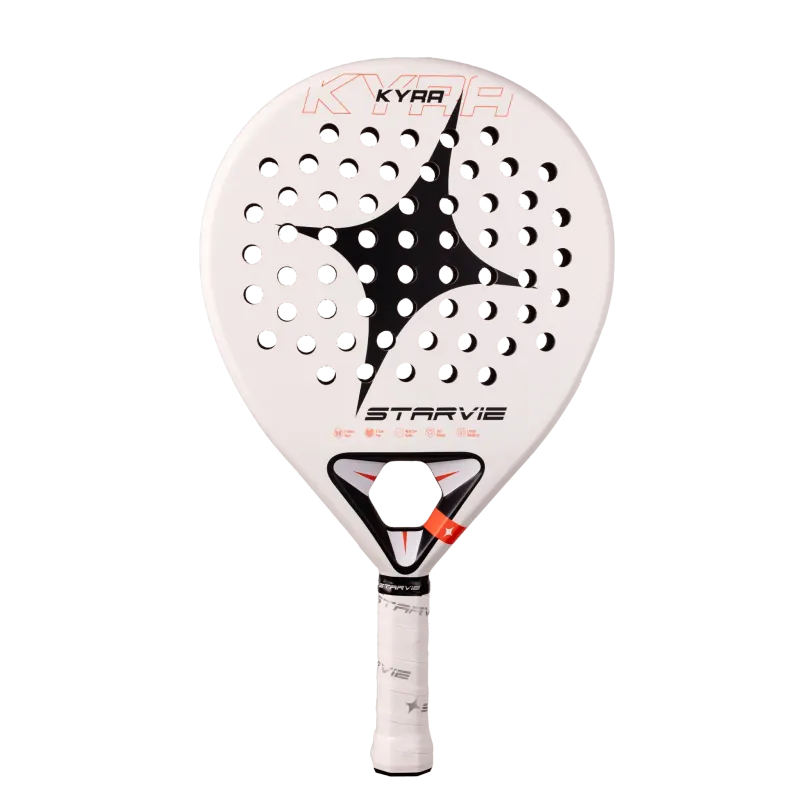
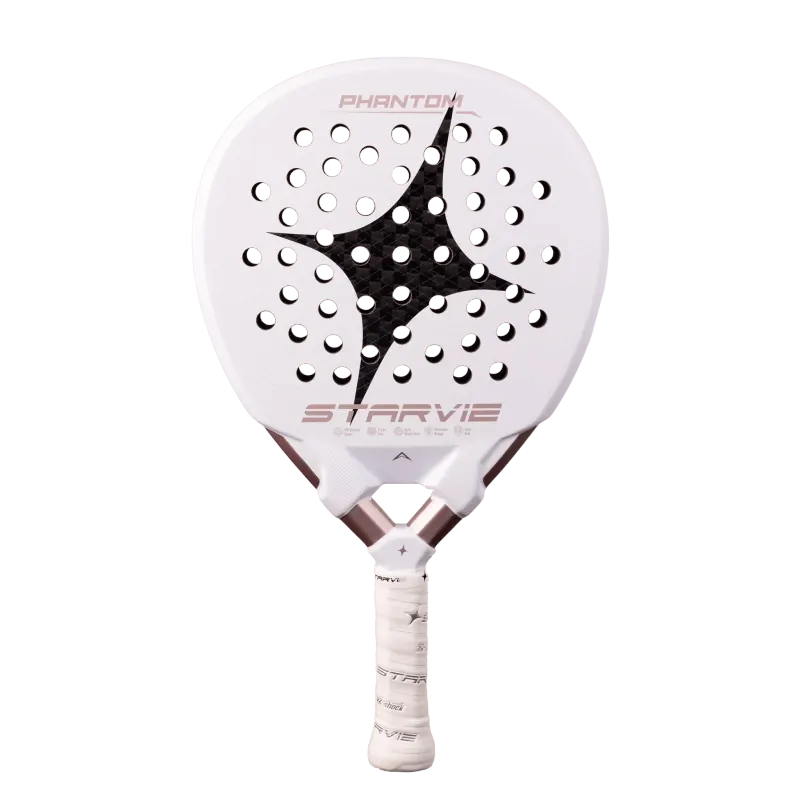
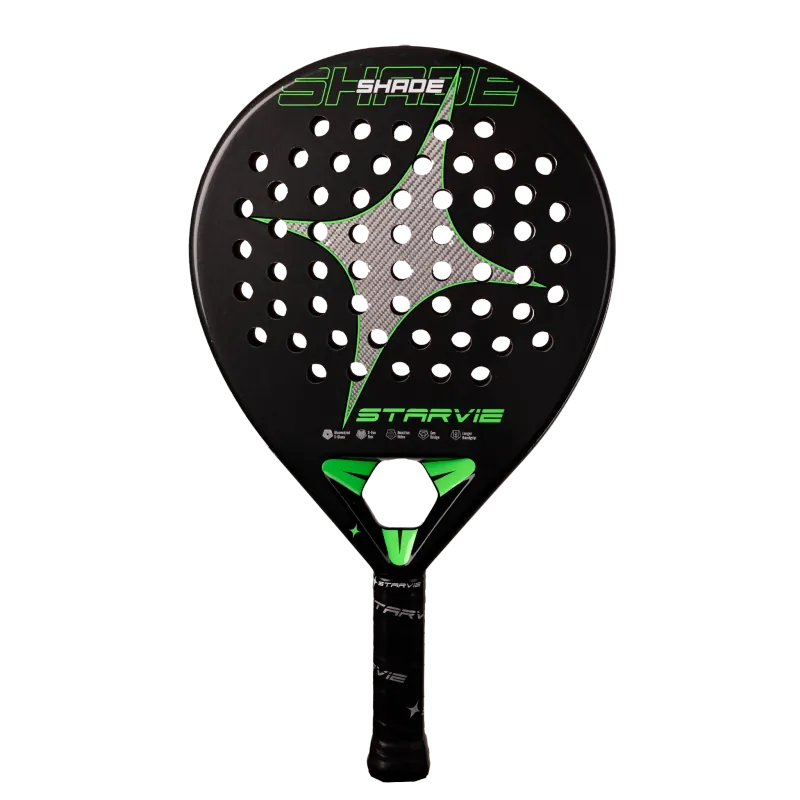
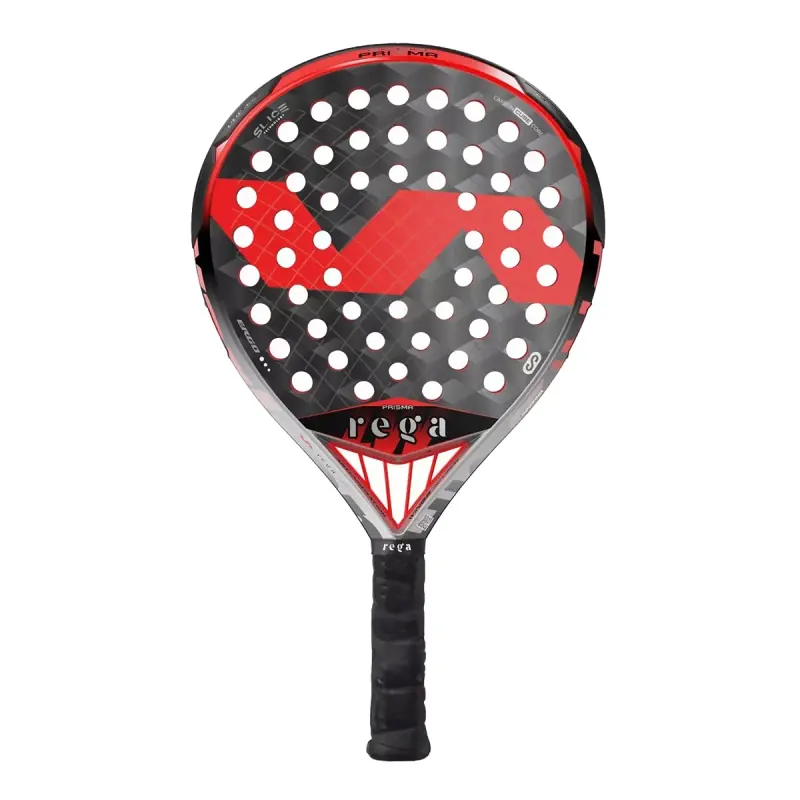
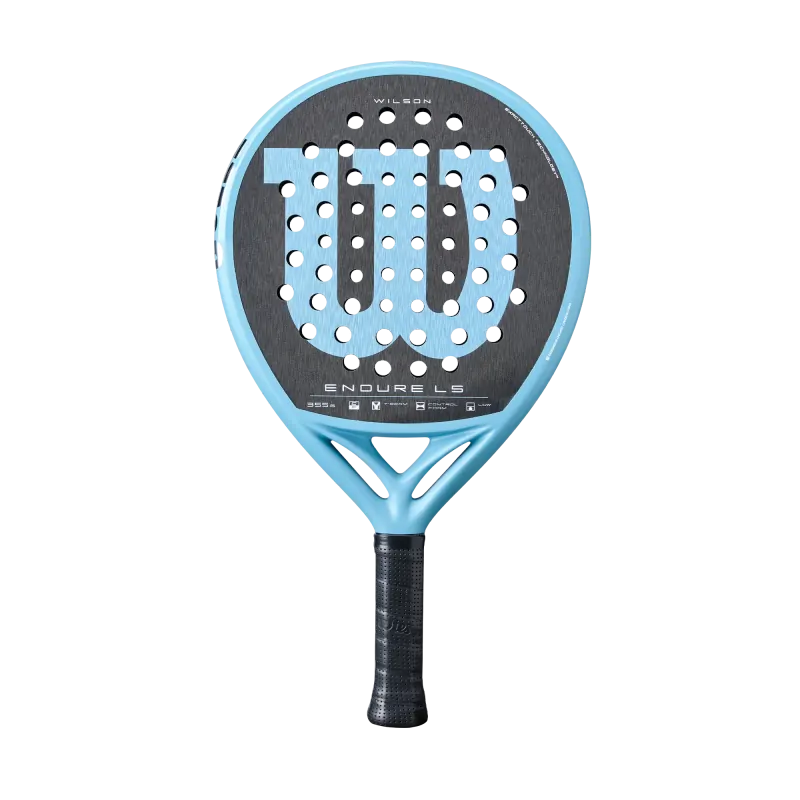
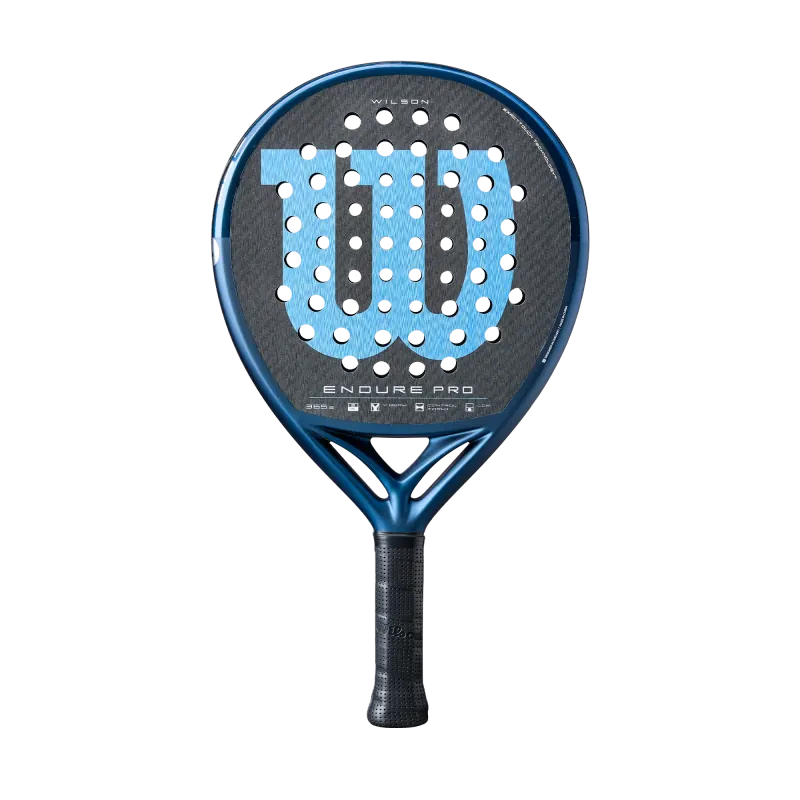
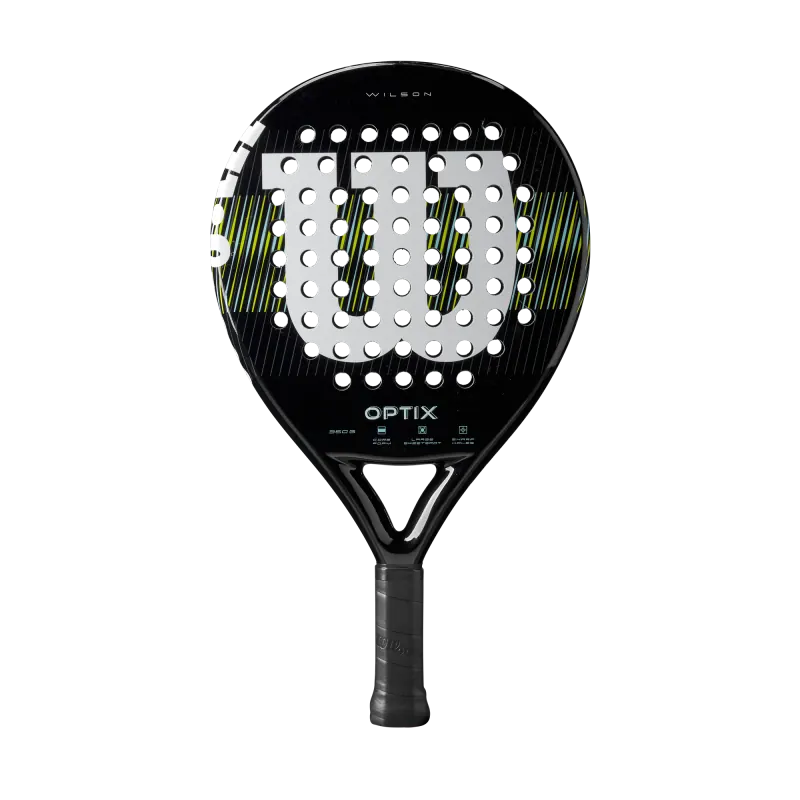
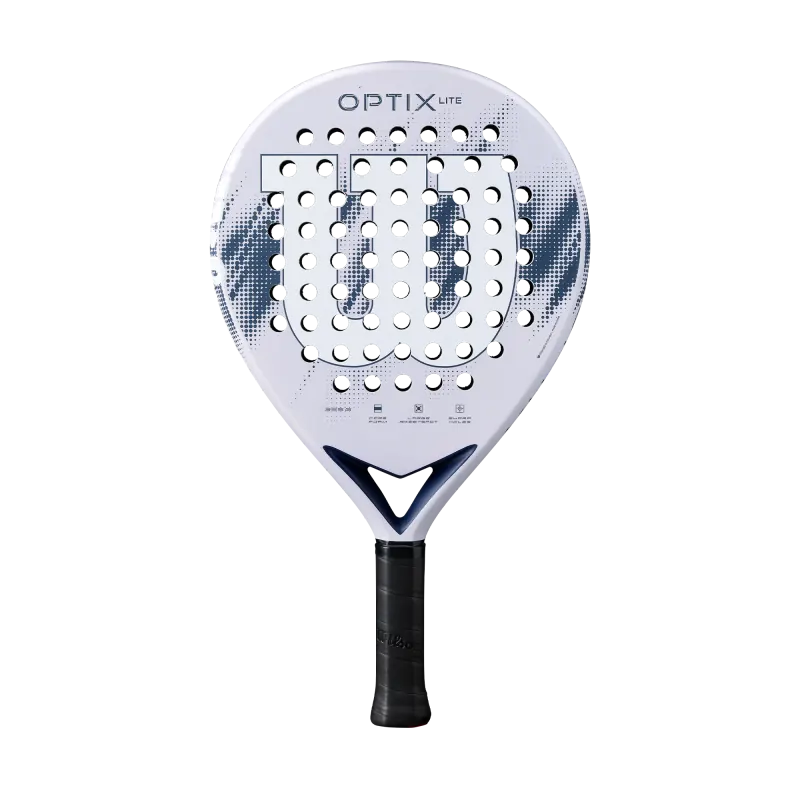
It is a filter based on brand data, not an assessment: the order is alphabetical and does not indicate quality. Each racket links to its spec sheet.
A control racket, on this page, is a racket whose shape and balance, as declared by the manufacturer, place it at the control end of a published scale, with a fixed threshold. It is a filter based on spec sheet data, not a measurement or a quality assessment. Each racket shows what the brand prints.
What each racket shows: the list on this page displays shape, weight and balance as the manufacturer prints them, and each racket links to its spec sheet with the core, the face, the source of each value and the consultation date. If a value appears empty, the brand does not publish it: we do not fill it in ourselves. The order is alphabetical and does not indicate quality.
How it is decided which racket is a control racket: the axis that runs from control to power is calculated from the declared shape and balance, and the page uses a fixed threshold on that axis. It is a model choice, not a measurement made with the racket in hand. That is why a racket inside the filter may not fit your game, and another outside it may. The scale serves to sort and discard using data, not to decide for you. If you are looking for “control and power” at the same time, that combination falls in the intermediate band of the scale, which this page does not cover.
Cores and faces declared by brands: some brands describe cores with one face oriented to control and another to power, and that description applies only to that brand. NOX, for example, defines its dual density core (Dual Density Core) as a rubber sandwich of two densities: on the Hard face it increases power at impact and on the Soft face control is maximised. It is a manufacturer's description for that core, not a property of all rackets, and we cannot say how noticeable it is in play.
Before deciding: always check the value against the manufacturer's spec sheet that each racket links to, because any other sheet may not match it. The page shows no prices or offers. The links to shops are affiliate links and do not alter the alphabetical order.
Look at the shape and balance the brand declares, which are the data used to calculate the control to power axis.
Compare the core and the face on each spec sheet, and remember that each brand names them with its own scale.
Check the value against the manufacturer's spec sheet that each racket links to and look at the consultation date.
Treat the scale as a data filter, not as a guarantee that the racket fits your game.
What it is
A filter based on the data the manufacturer declares, with a fixed threshold on the control to power axis.
What it is not
A quality assessment or a measurement made with the racket in hand.
How it is sorted
Alphabetical. The order does not indicate quality.
Frequently asked questions
Control or power racket?
They are not two closed categories: it is an axis that this page calculates from the declared shape and balance, with a fixed threshold. Rackets in the middle band appear in neither of the two lists. What suits you depends on your game, and the page does not decide it for you: each spec sheet shows what the manufacturer declares.
What does it mean for a racket to be soft?
There is no common definition: each brand names its cores and faces with its own scale. NOX, for example, describes its HR2 core as a low density rubber with lower weight per square metre, used in rackets with a softer feel, and its HR3 cores as high density rubber with the greatest memory effect. It is that brand's scale. On this page “soft” is not a filter: the spec sheet of each racket shows the core and the face declared by its manufacturer.
Why does the page not show prices?
Because the price changes depending on the shop and the moment, and the page does not record it, so we cannot tell you which control racket is cheaper or whether one costs more than another. The page compares manufacturer spec sheets, not offers.