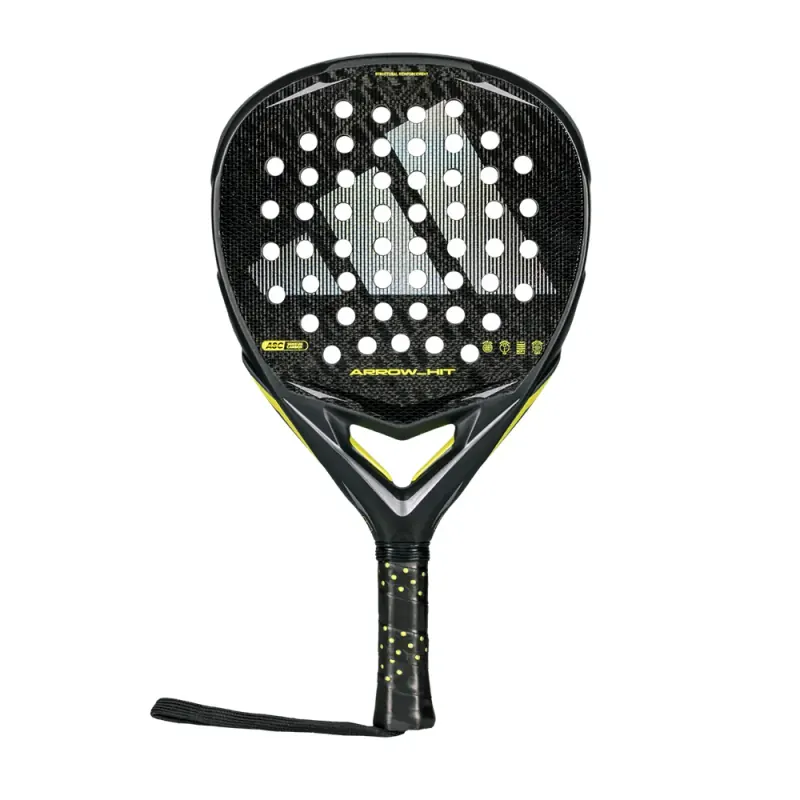
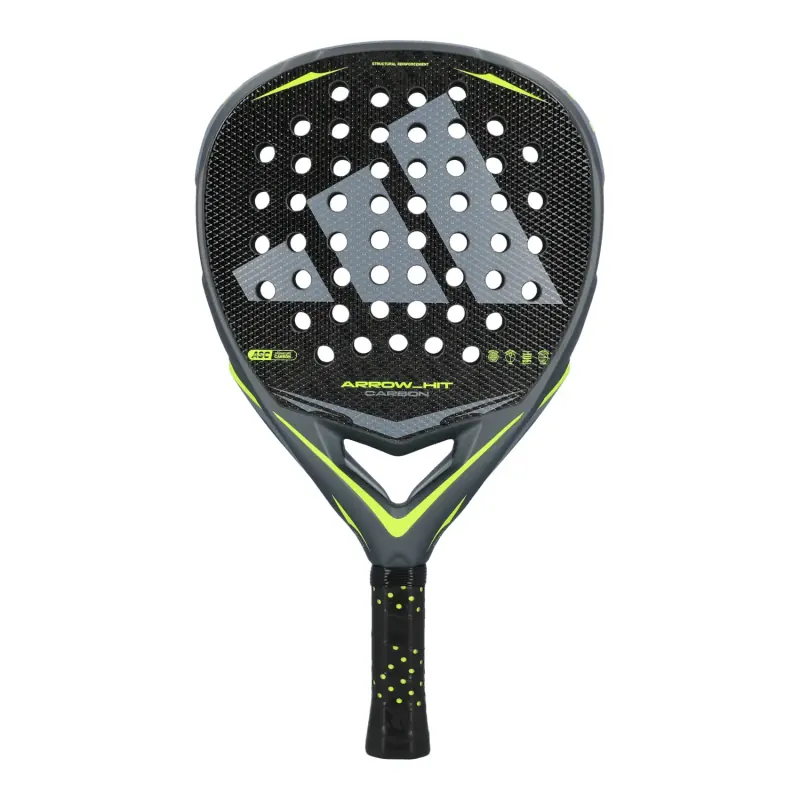
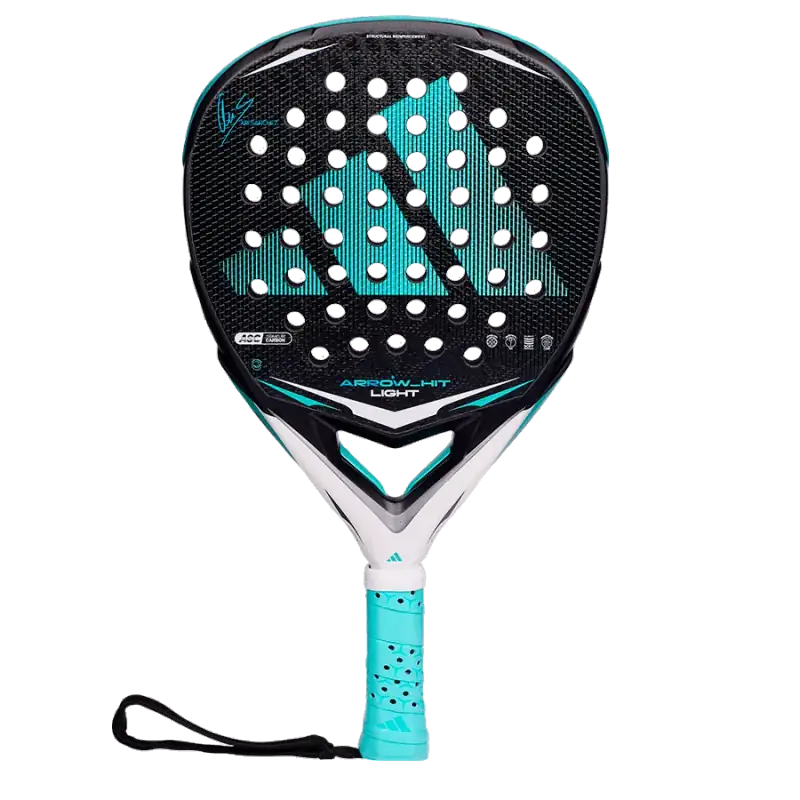
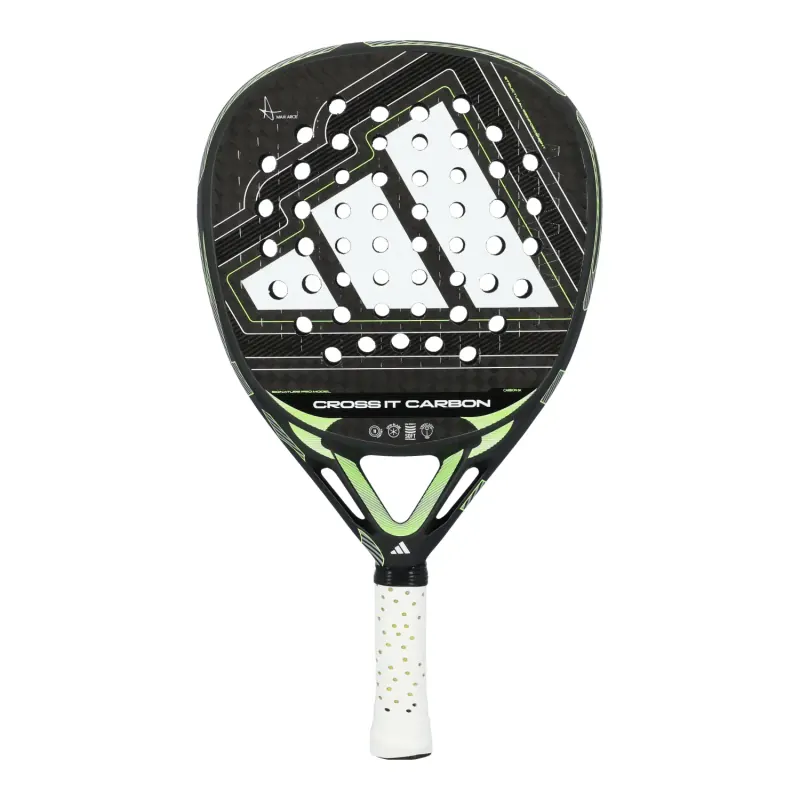
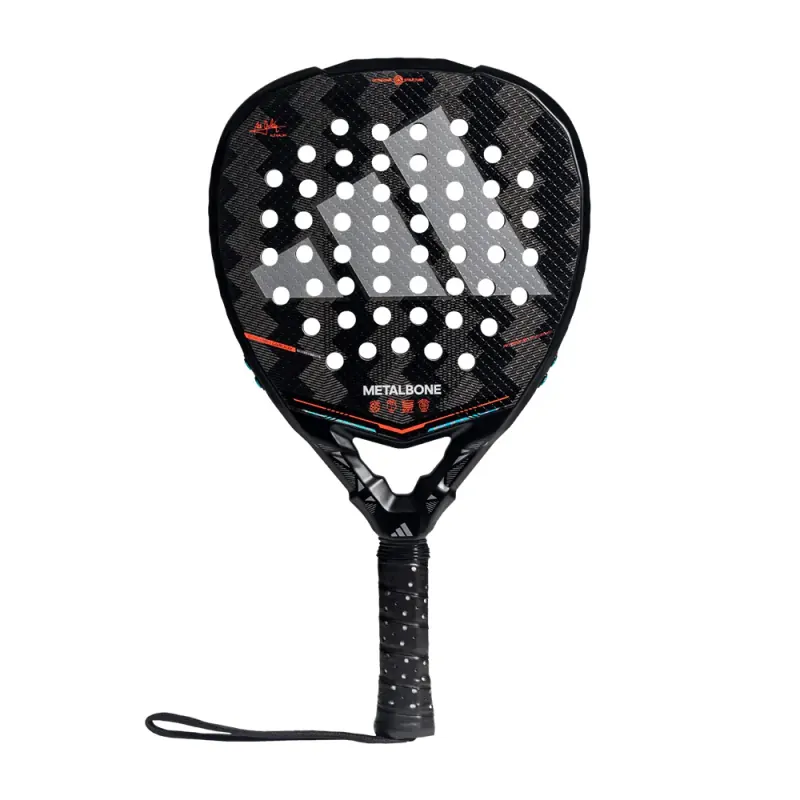
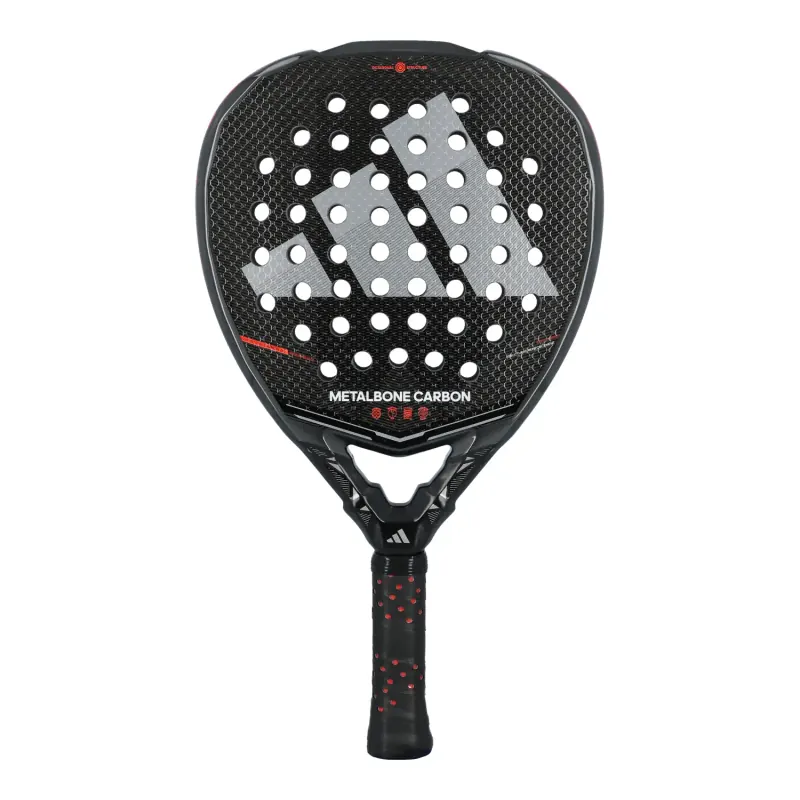
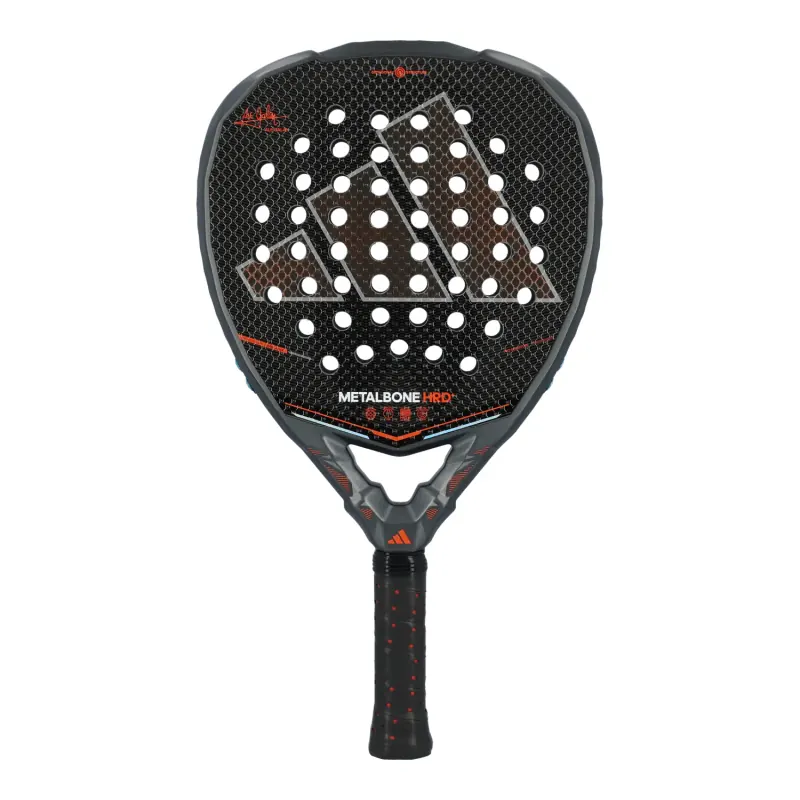
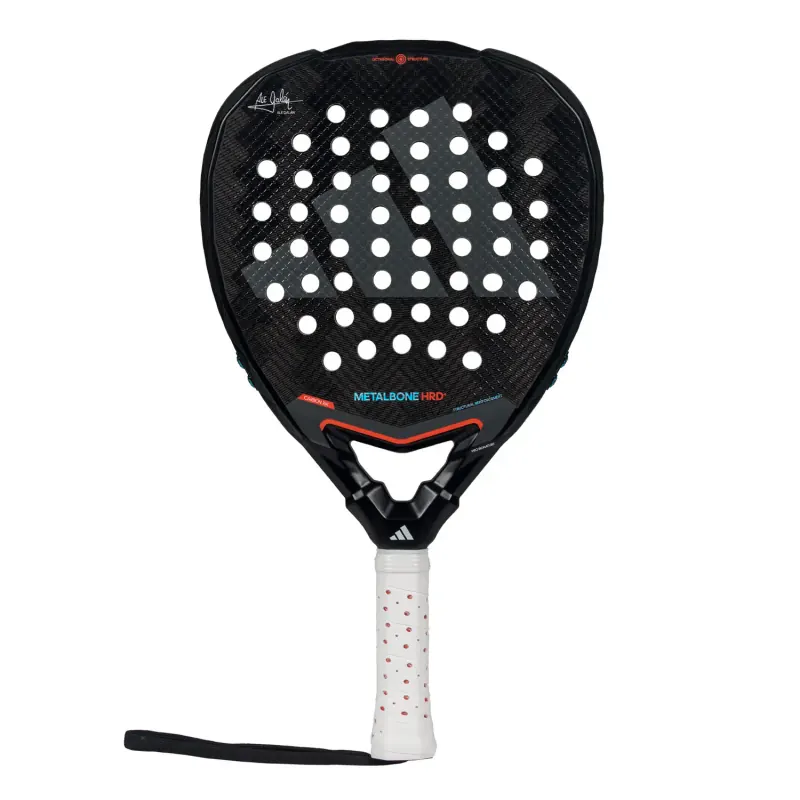
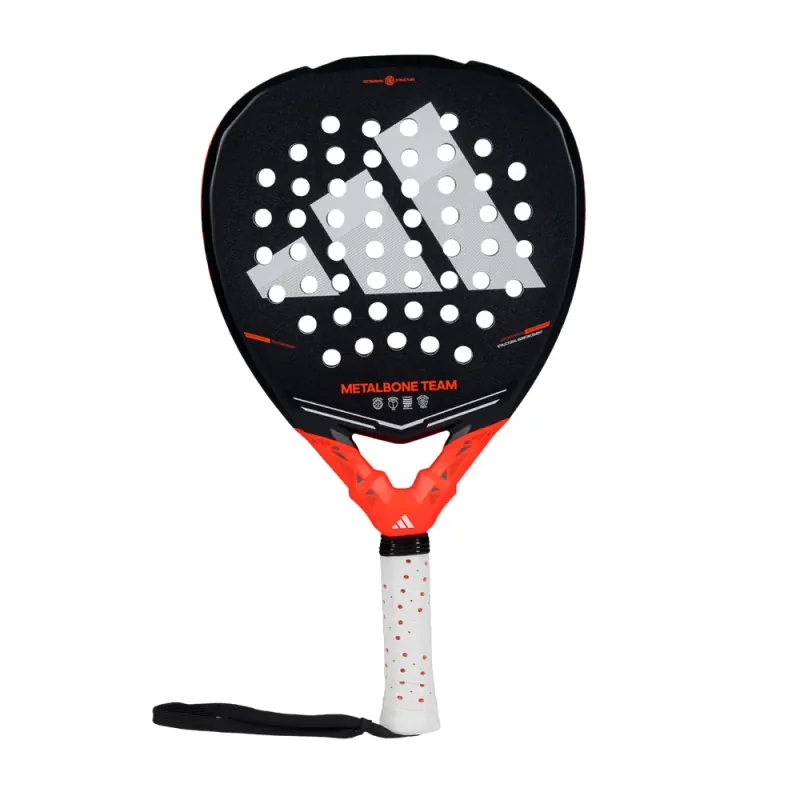
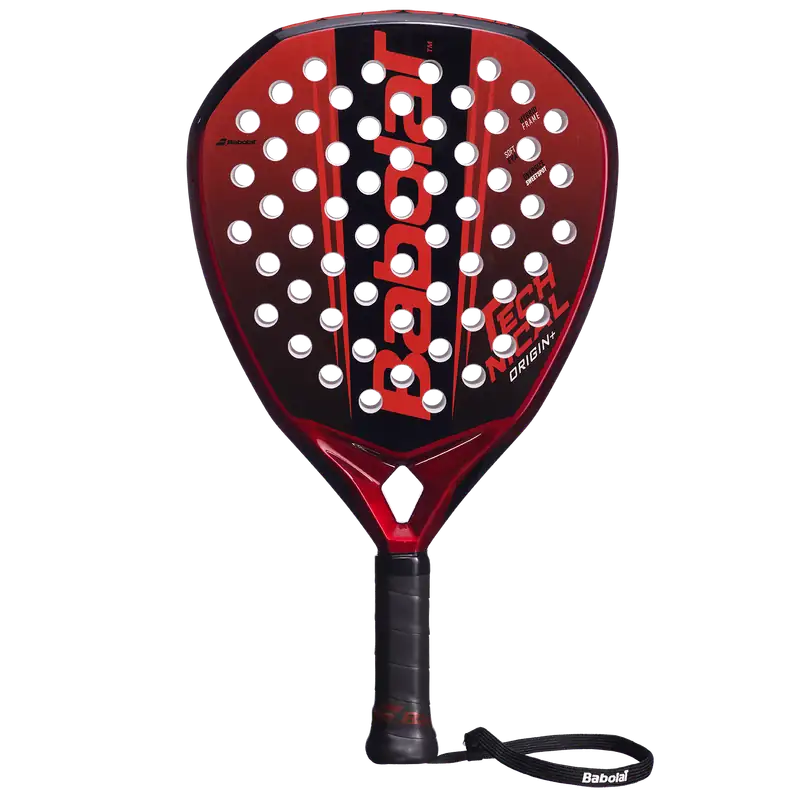
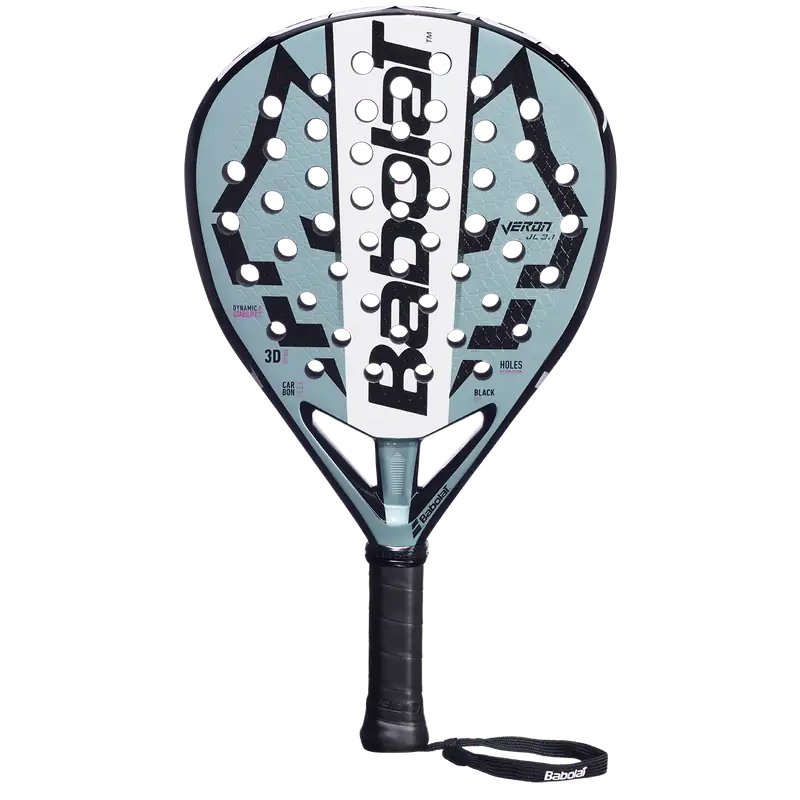
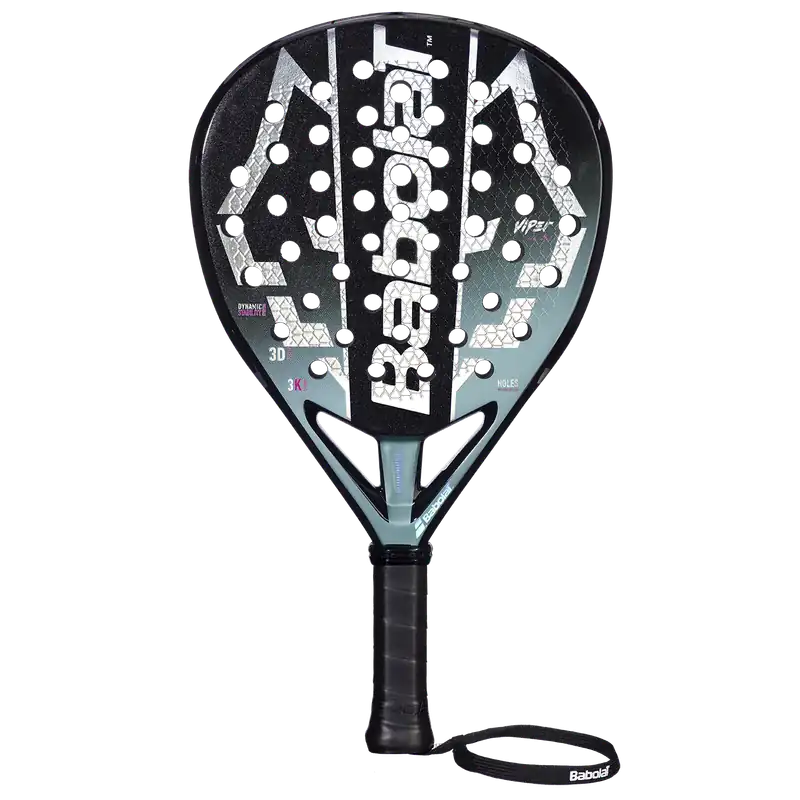
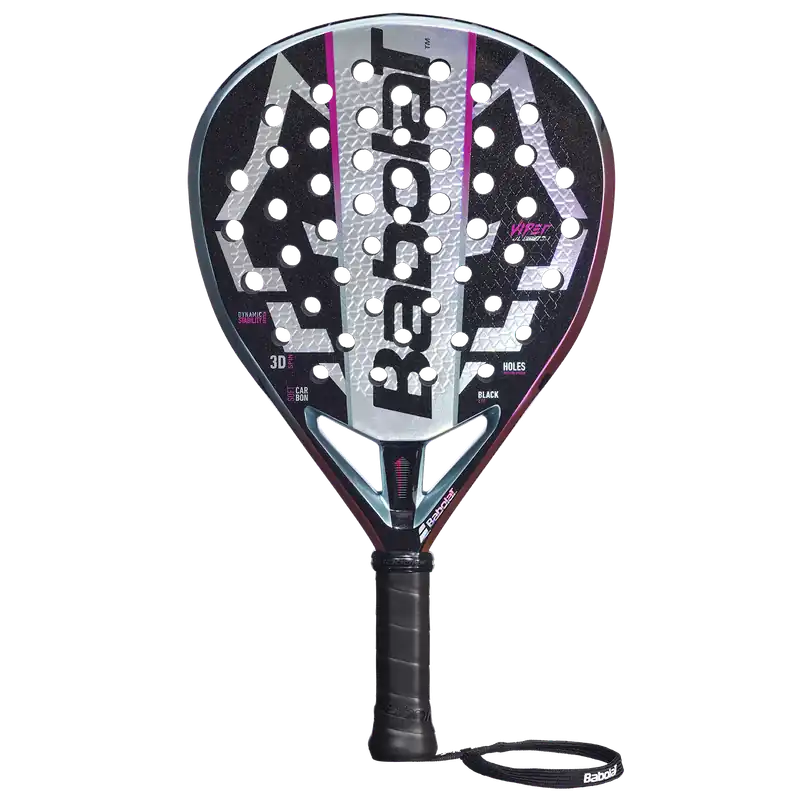
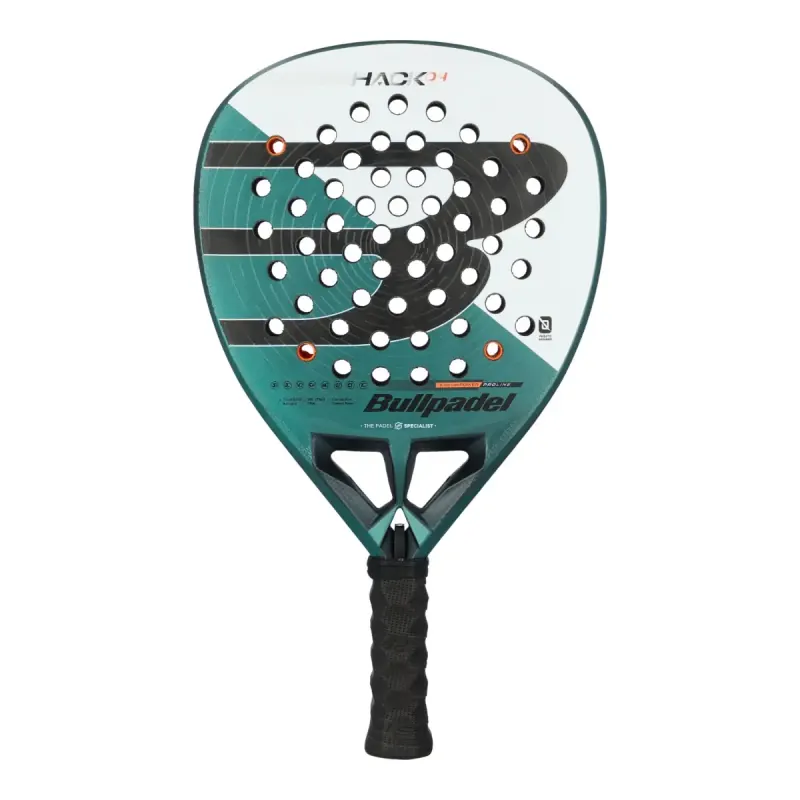
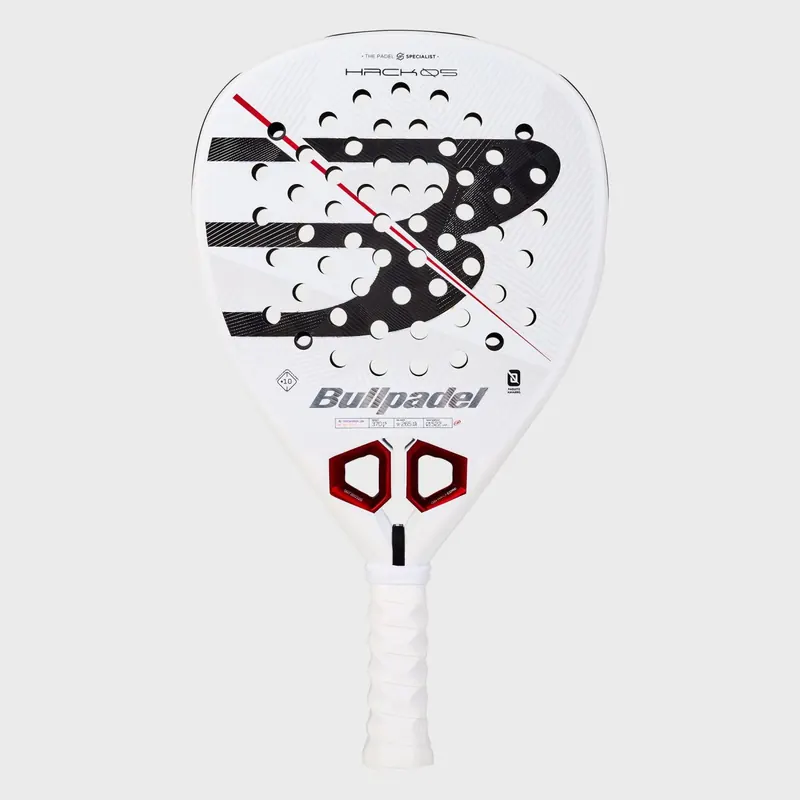
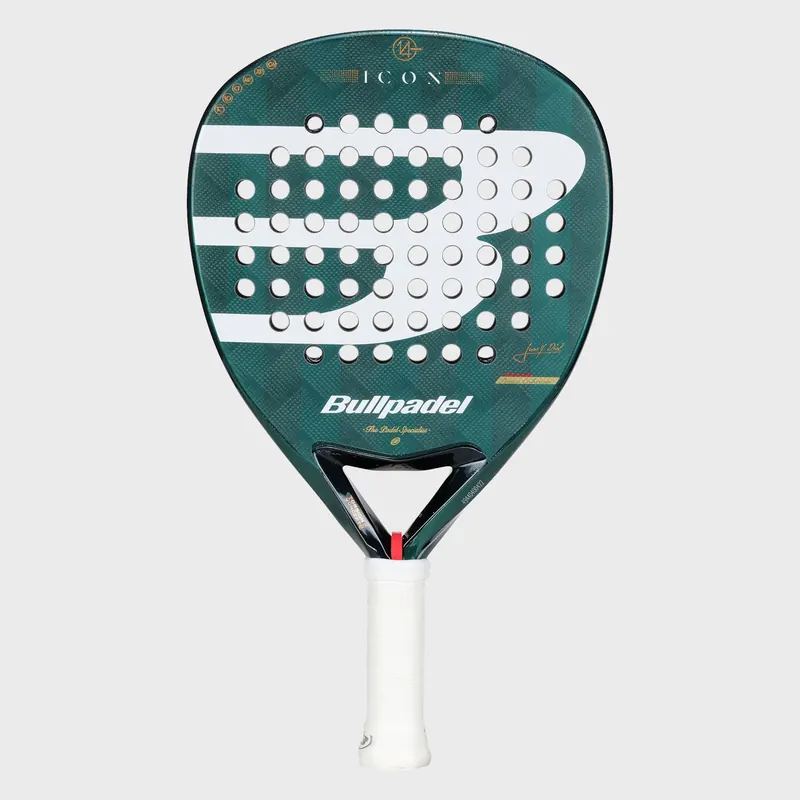
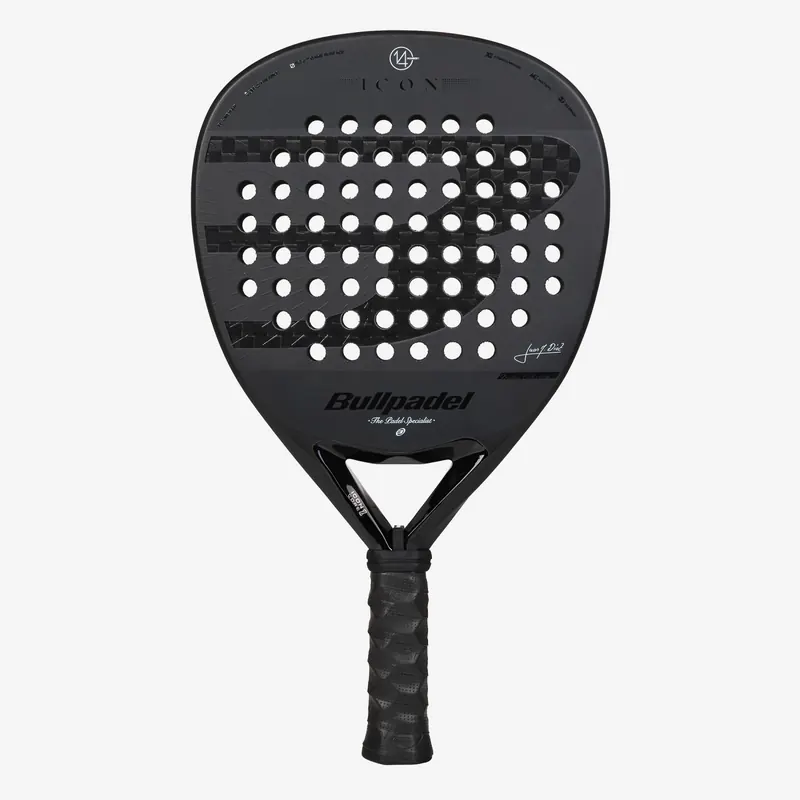
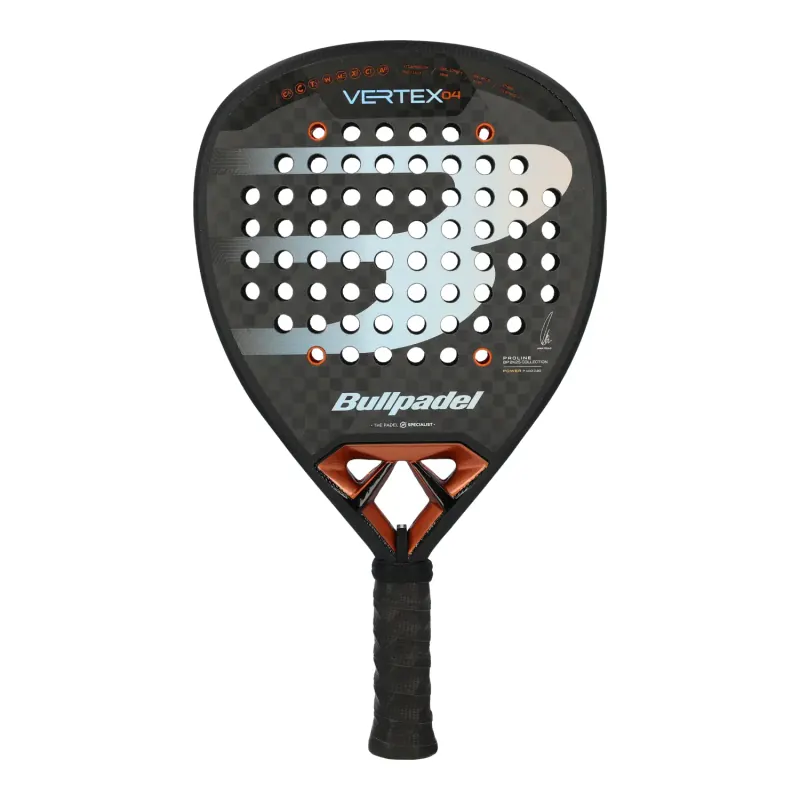
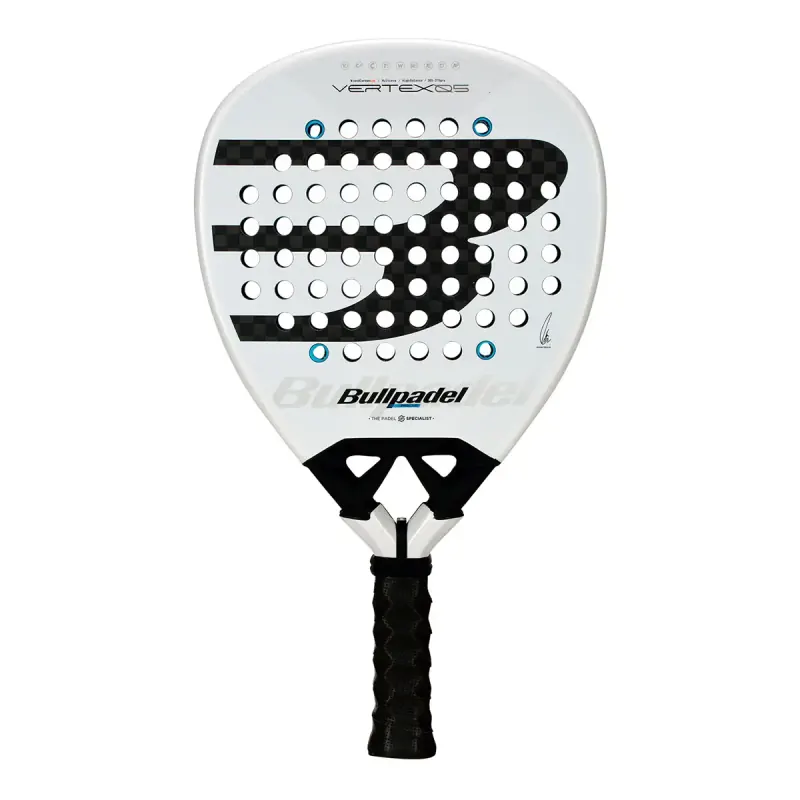
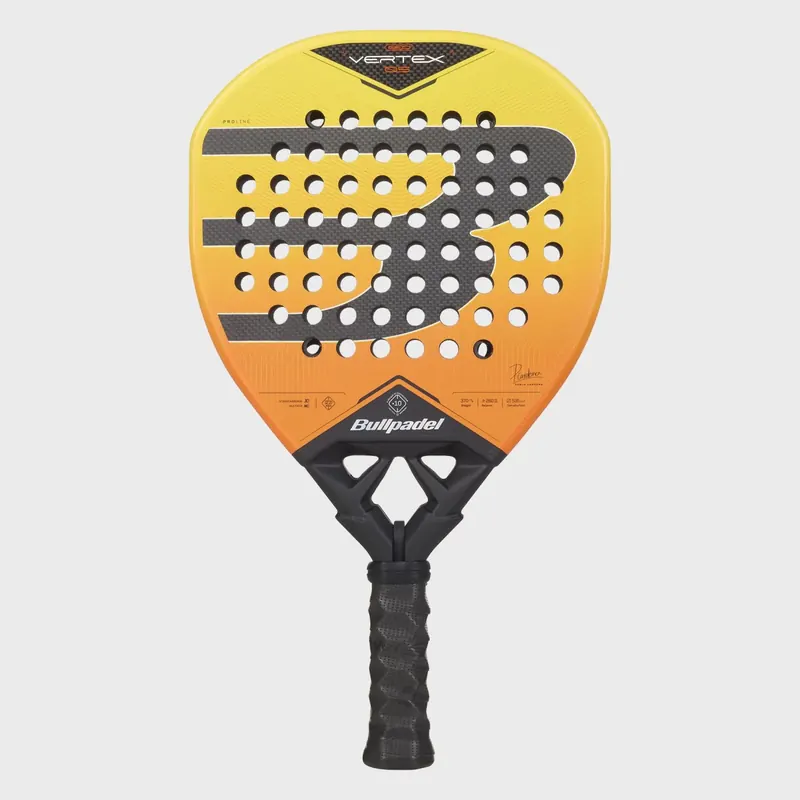
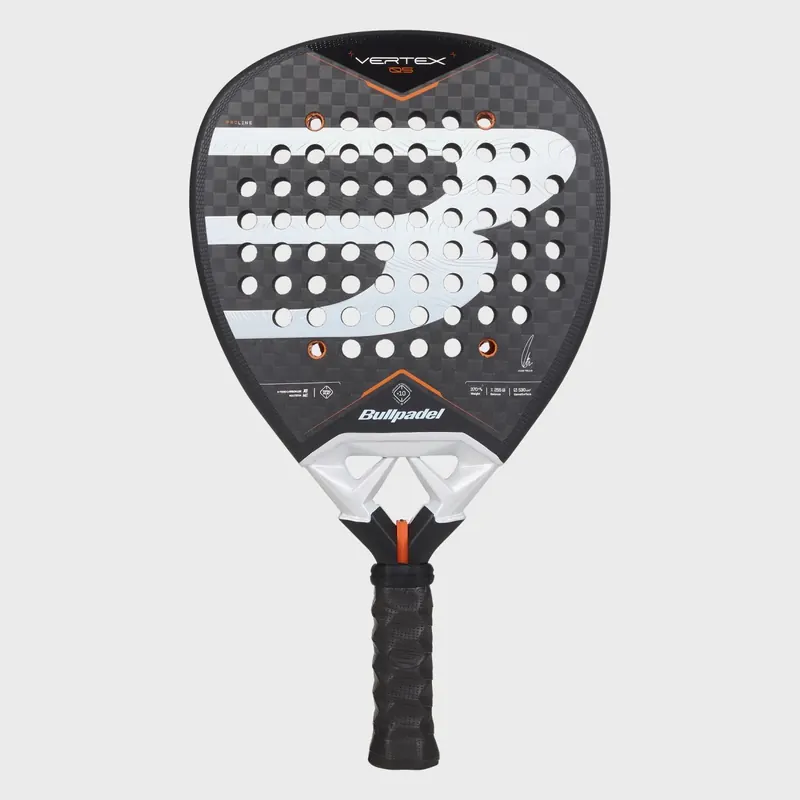
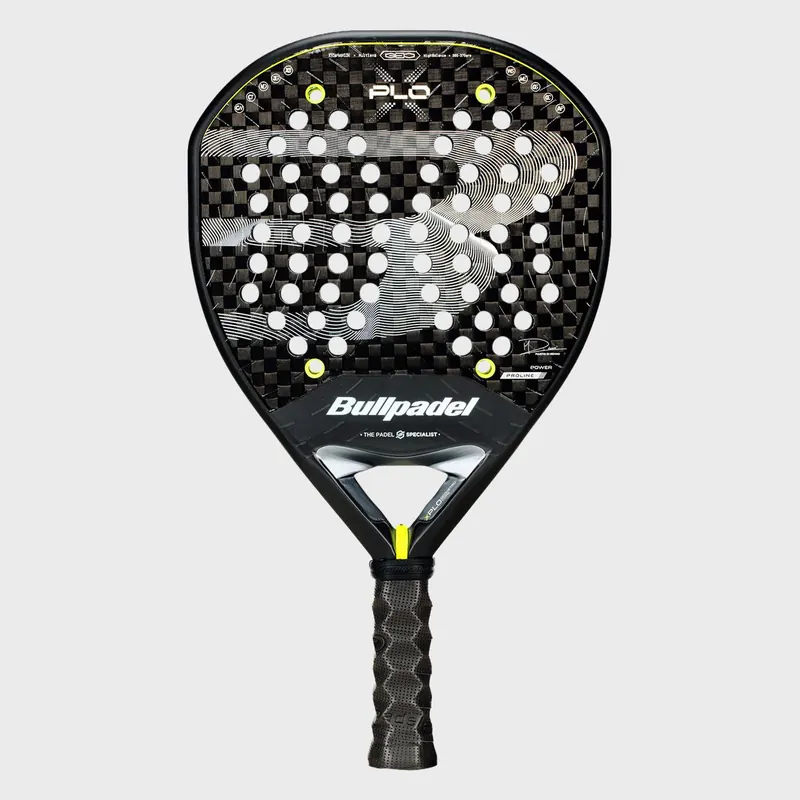
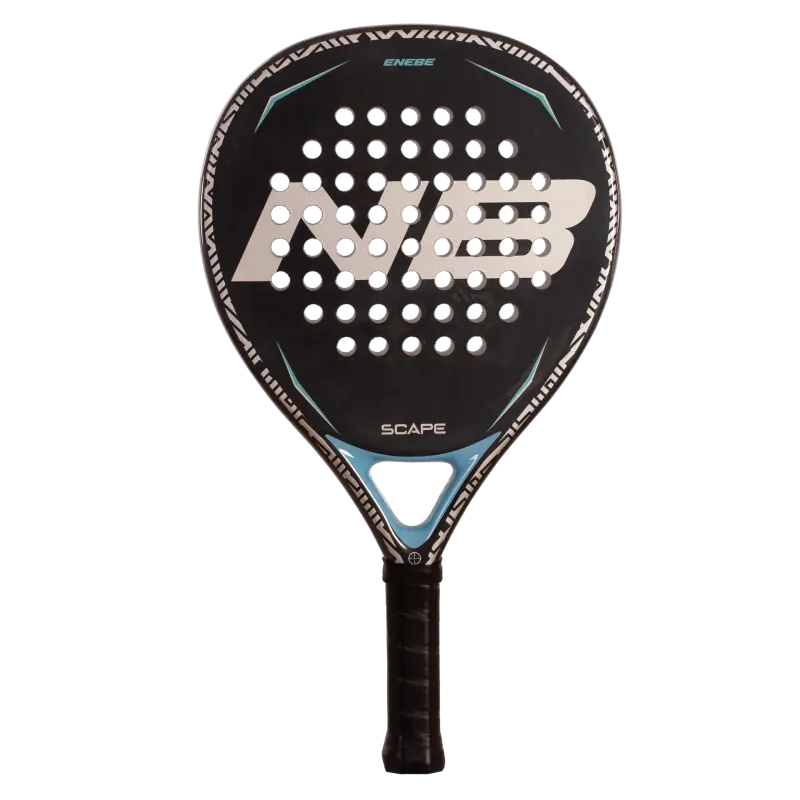
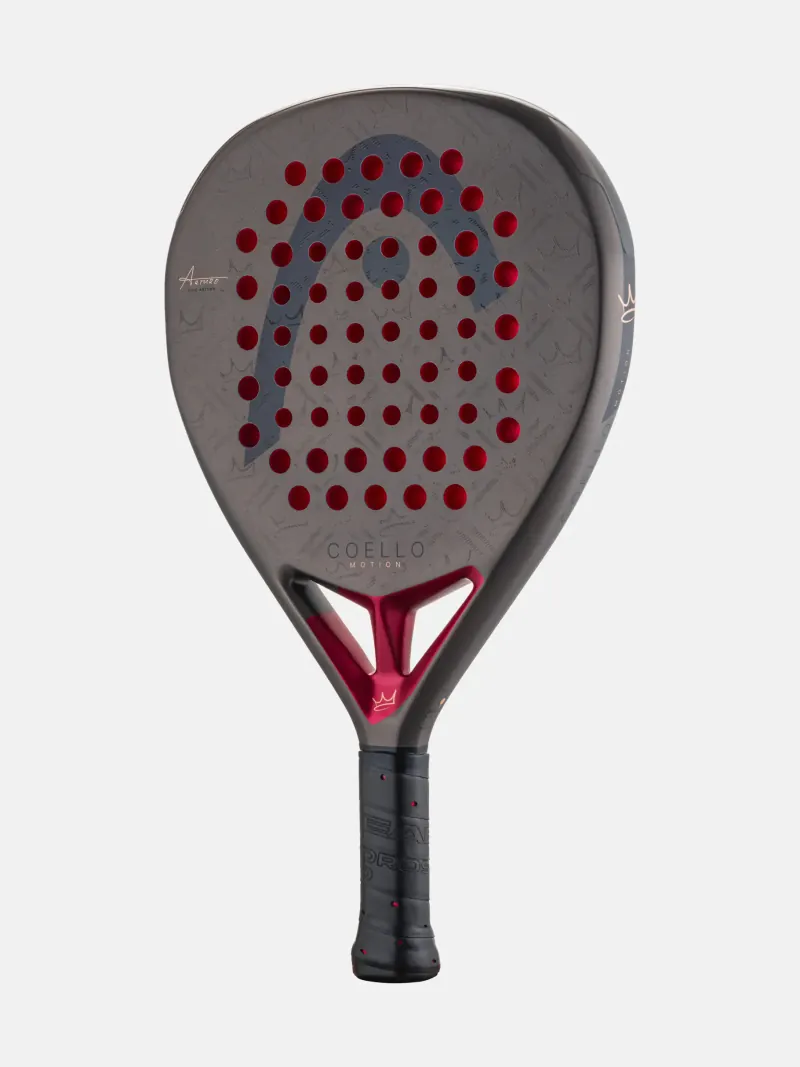
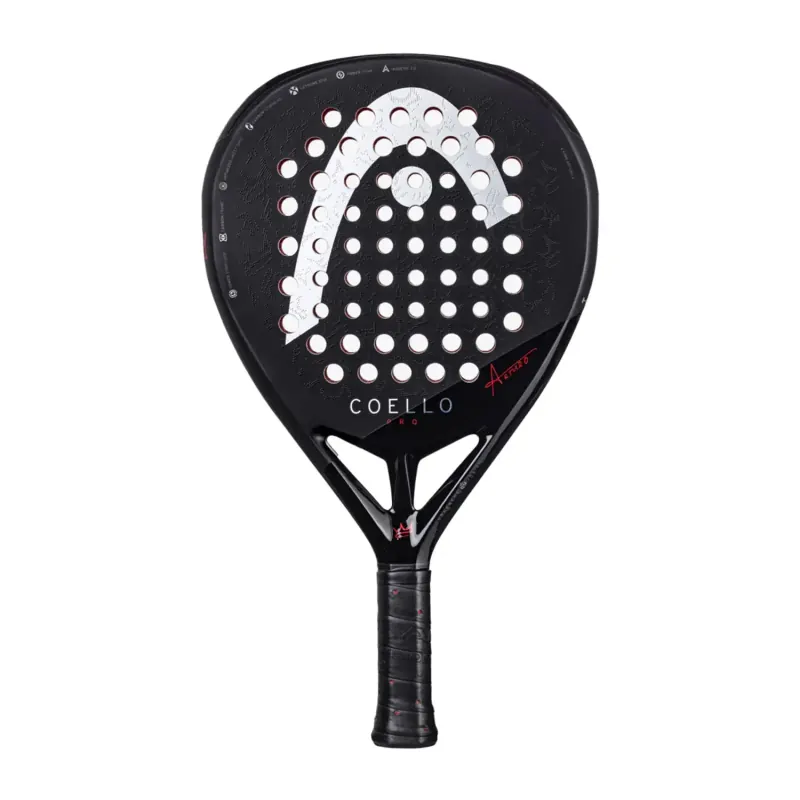
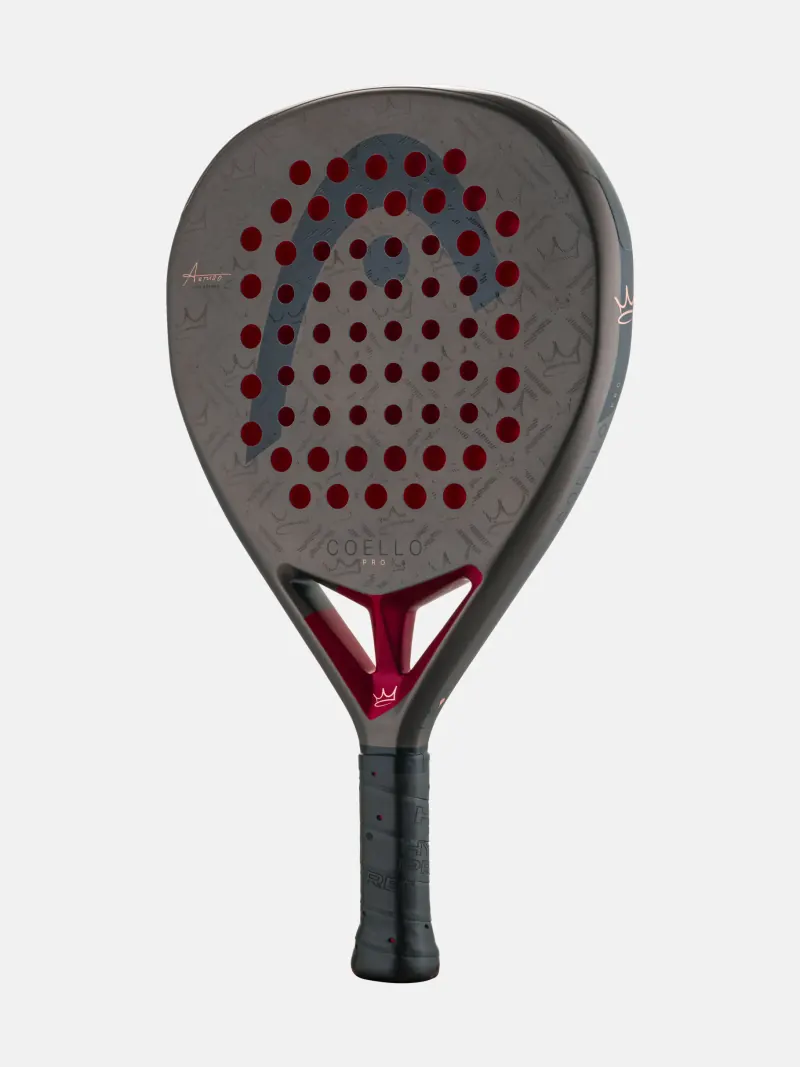
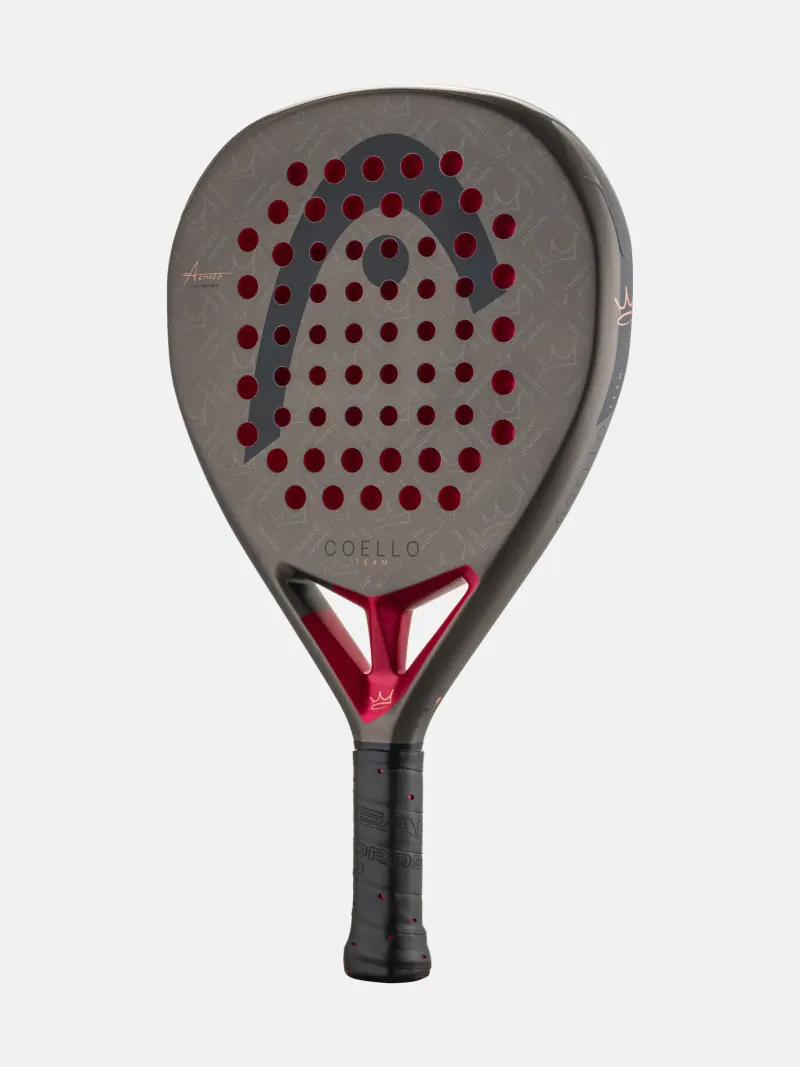
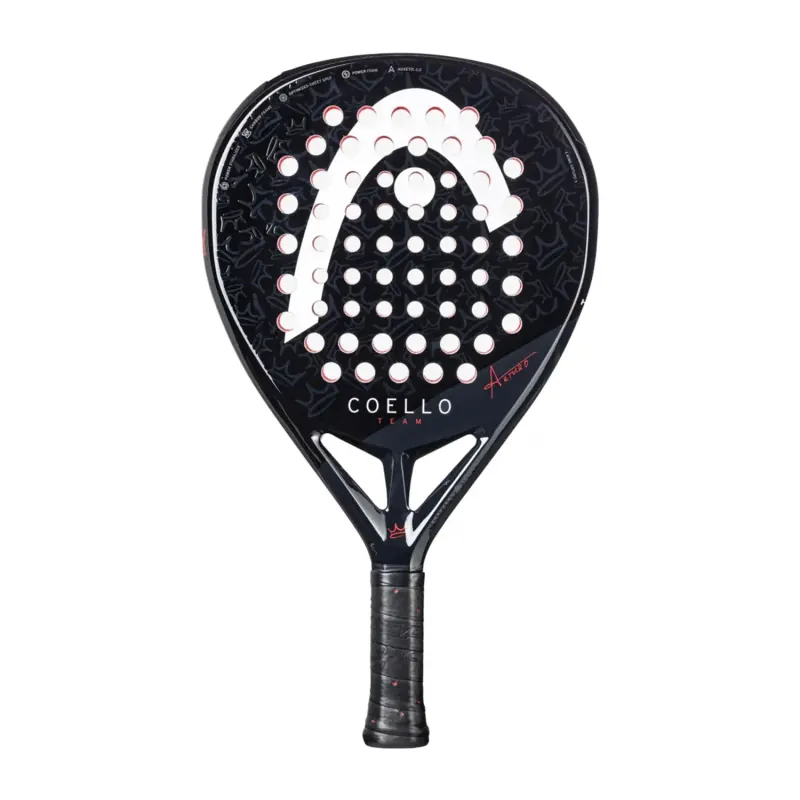
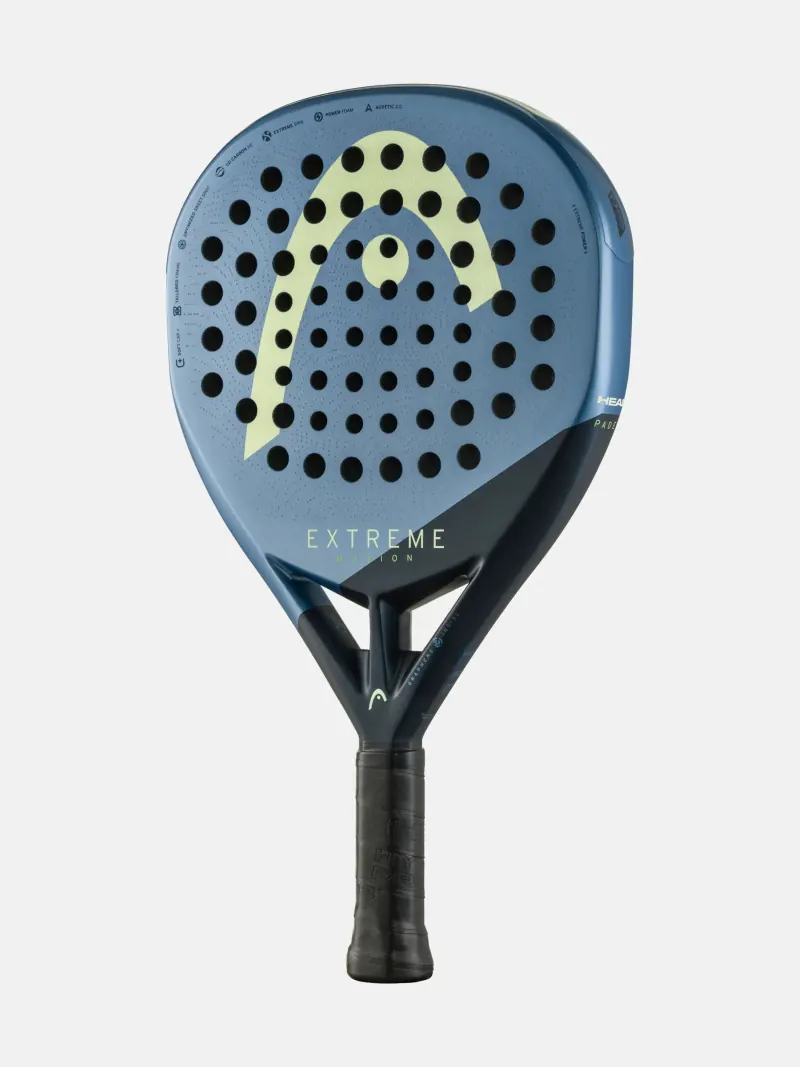
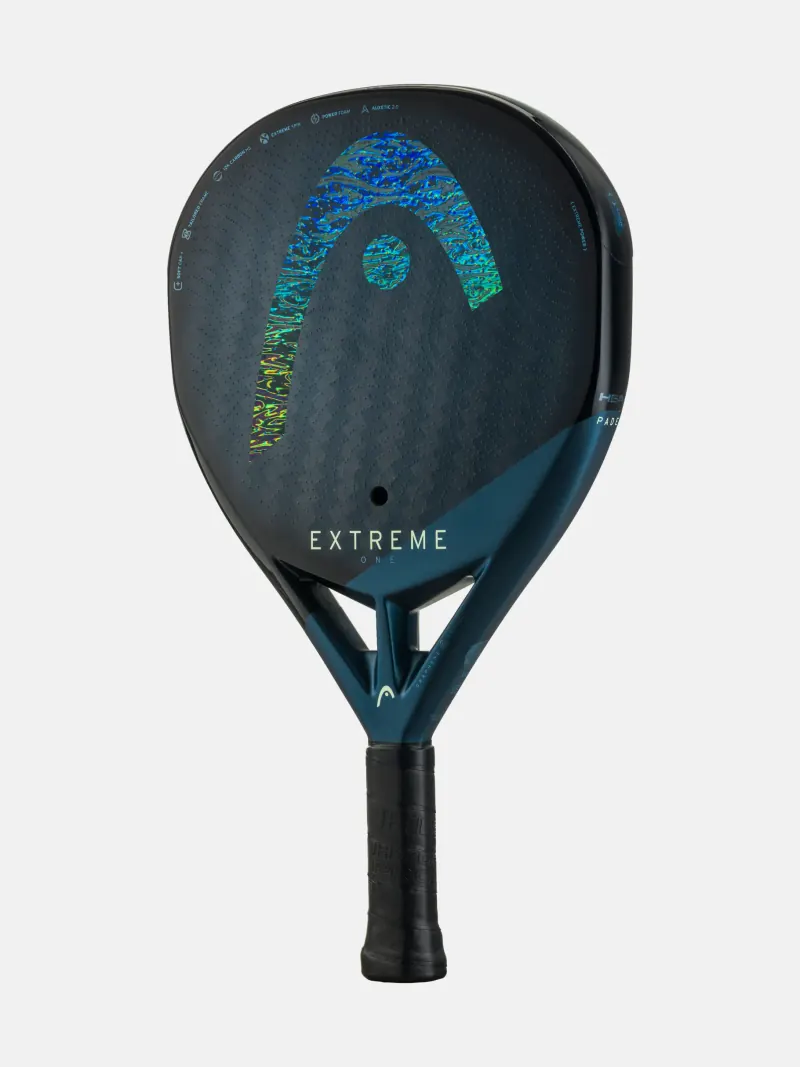
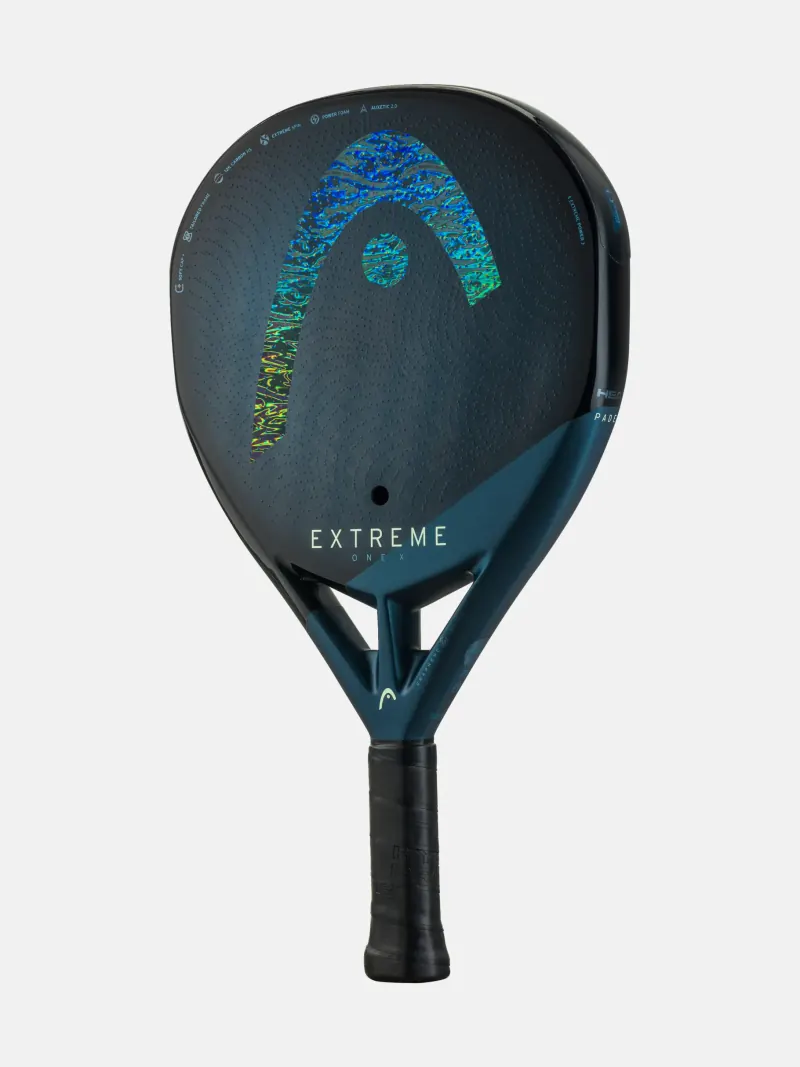
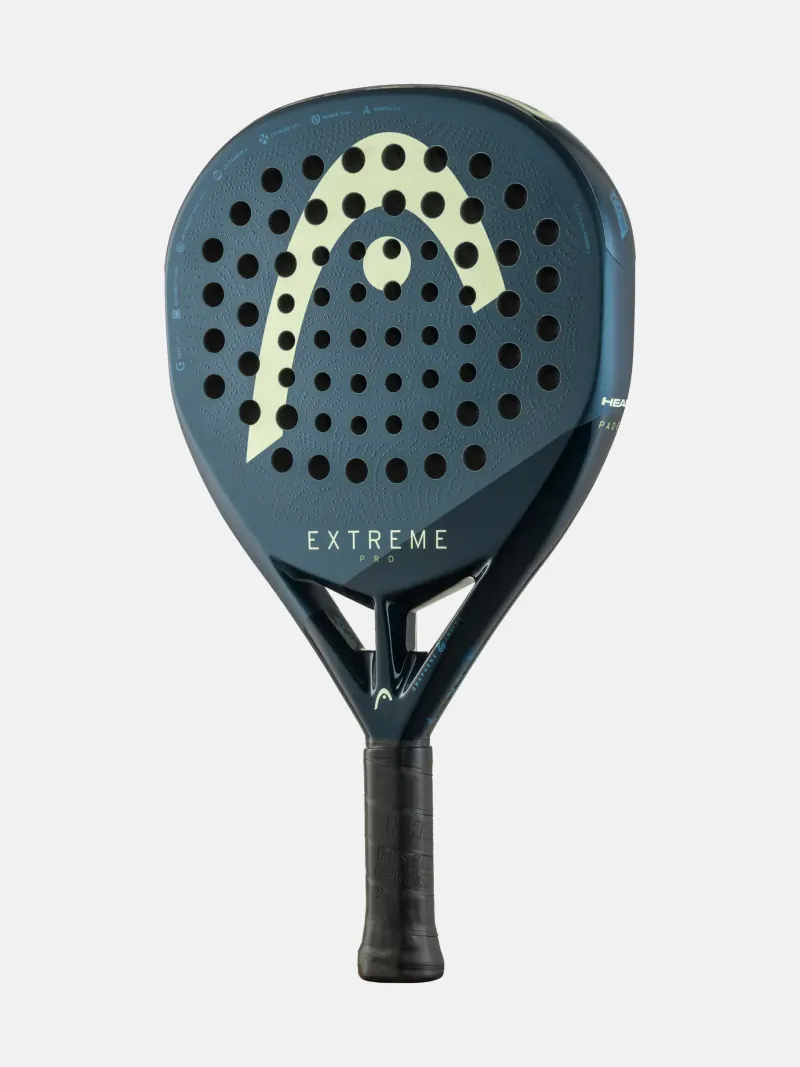
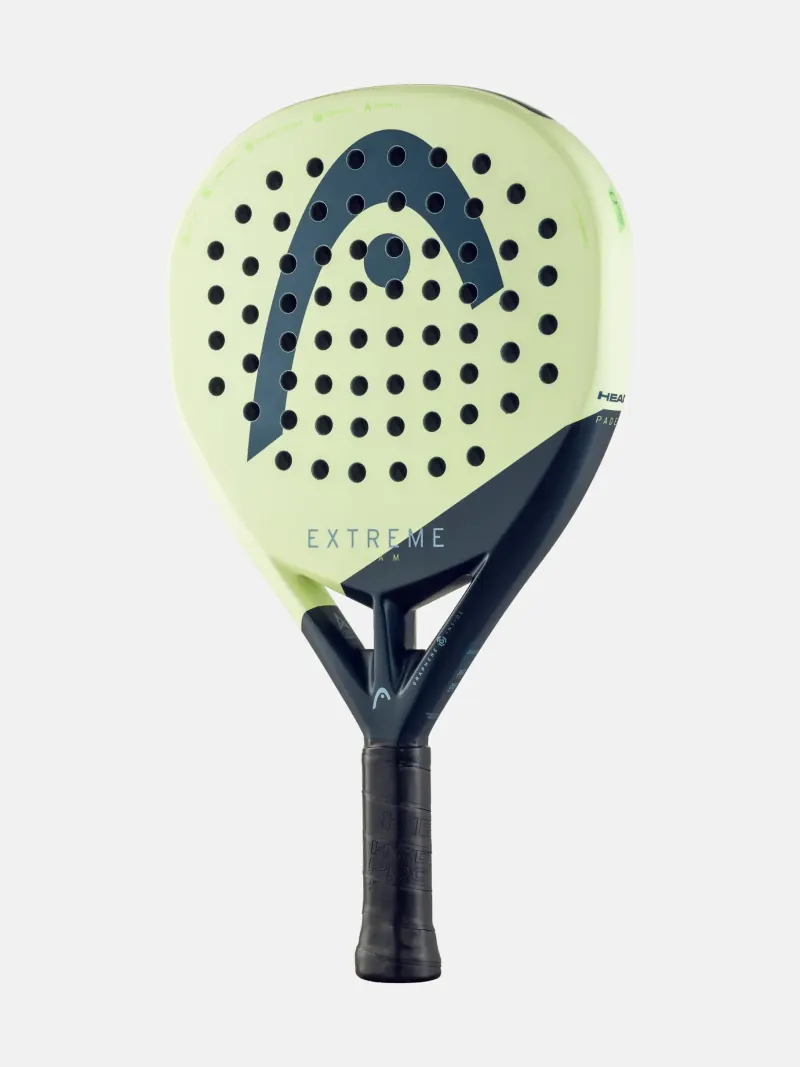
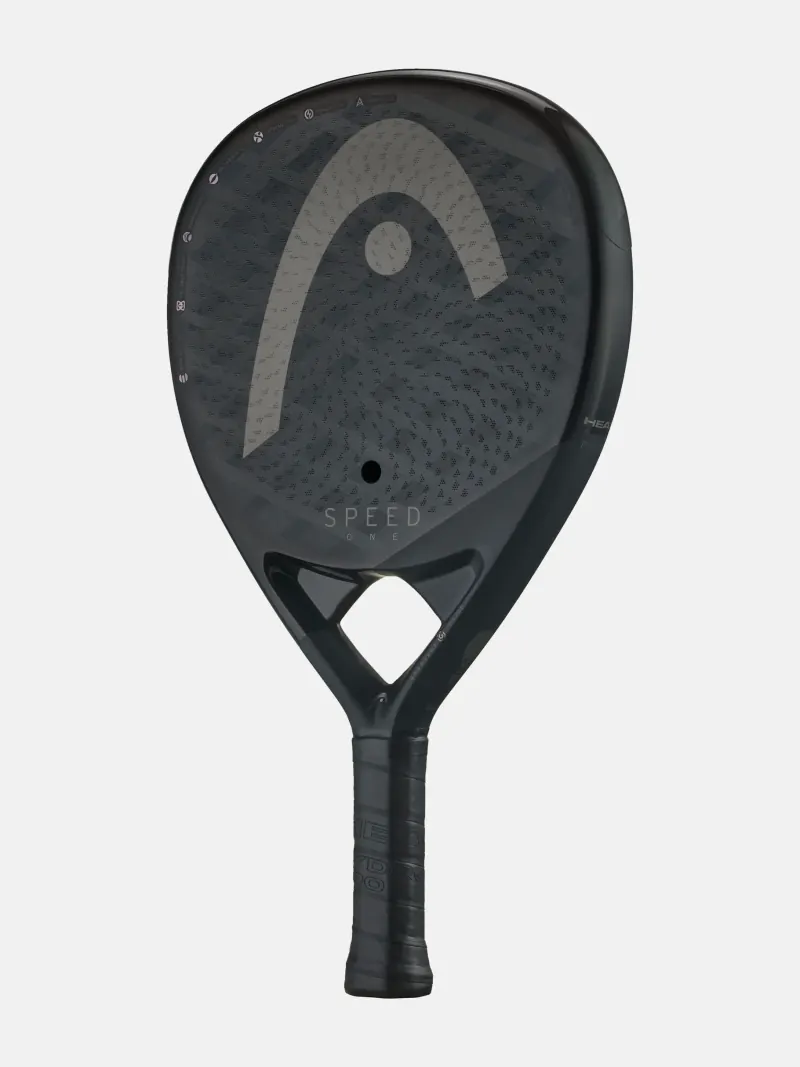
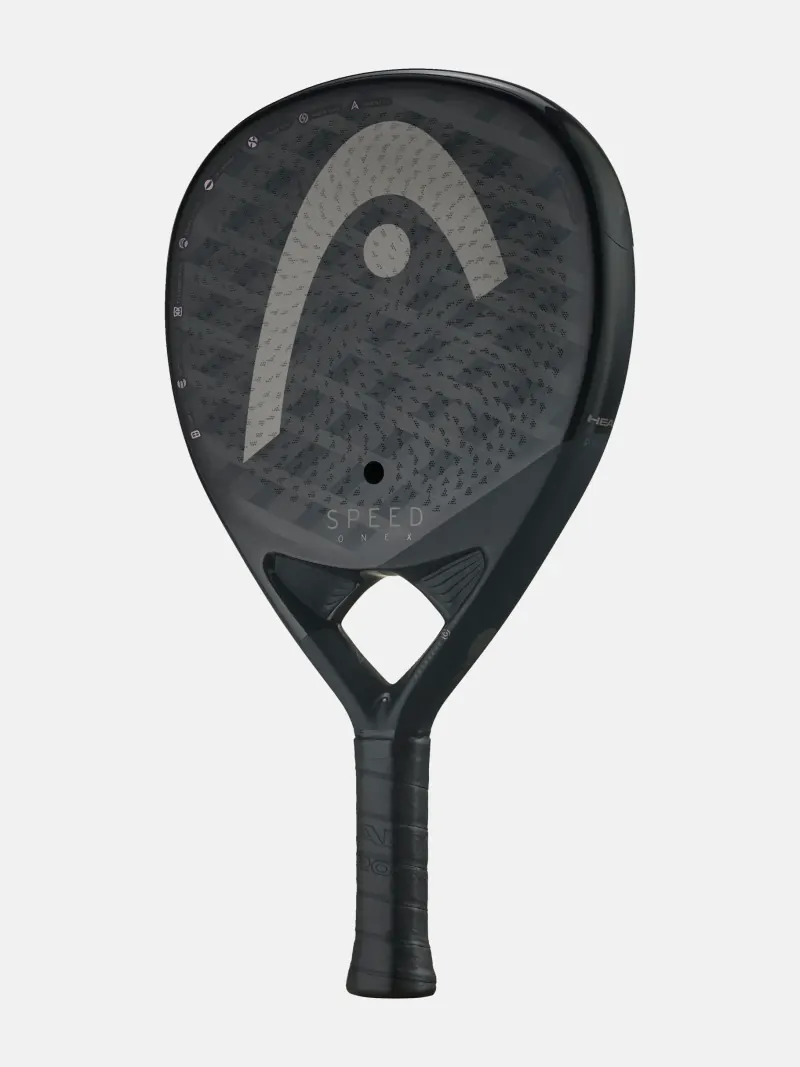
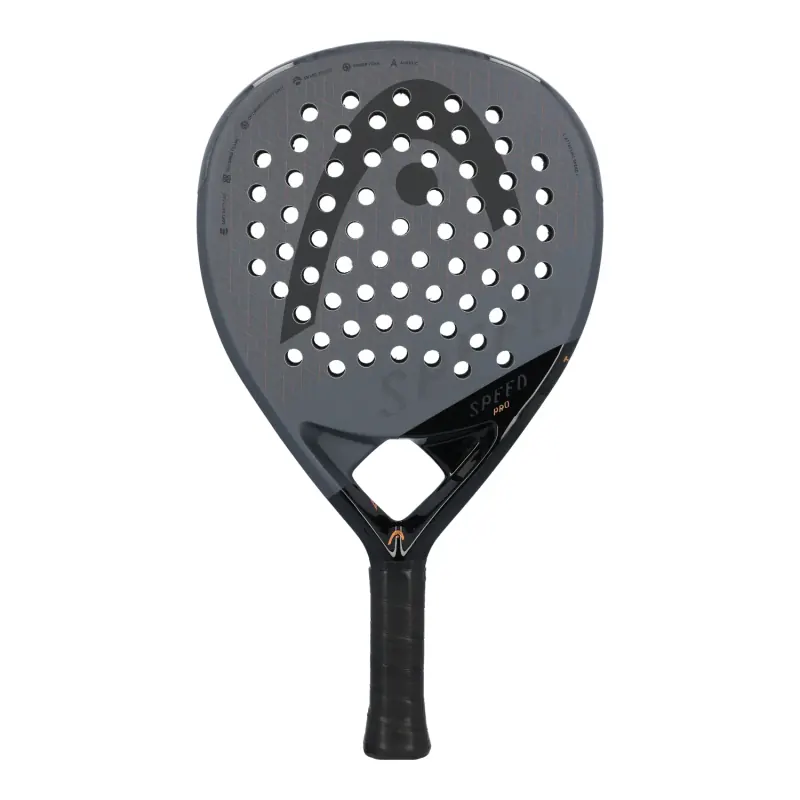
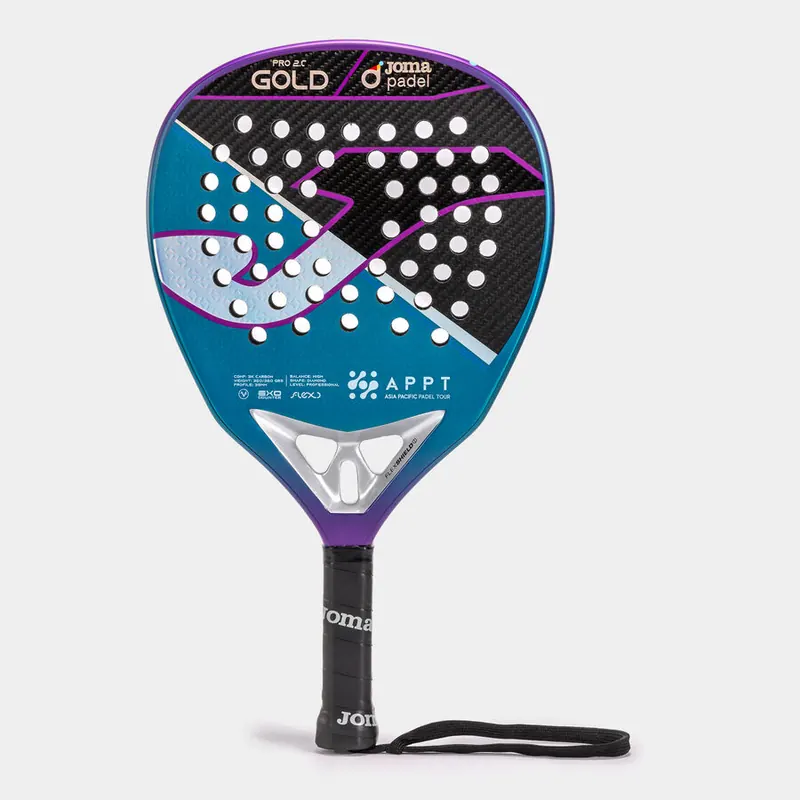
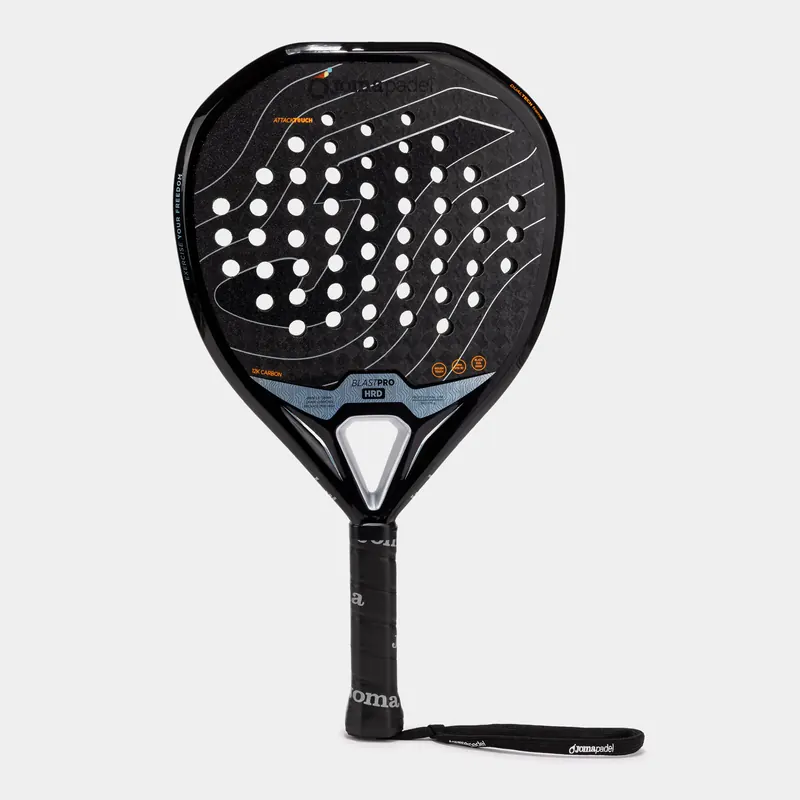
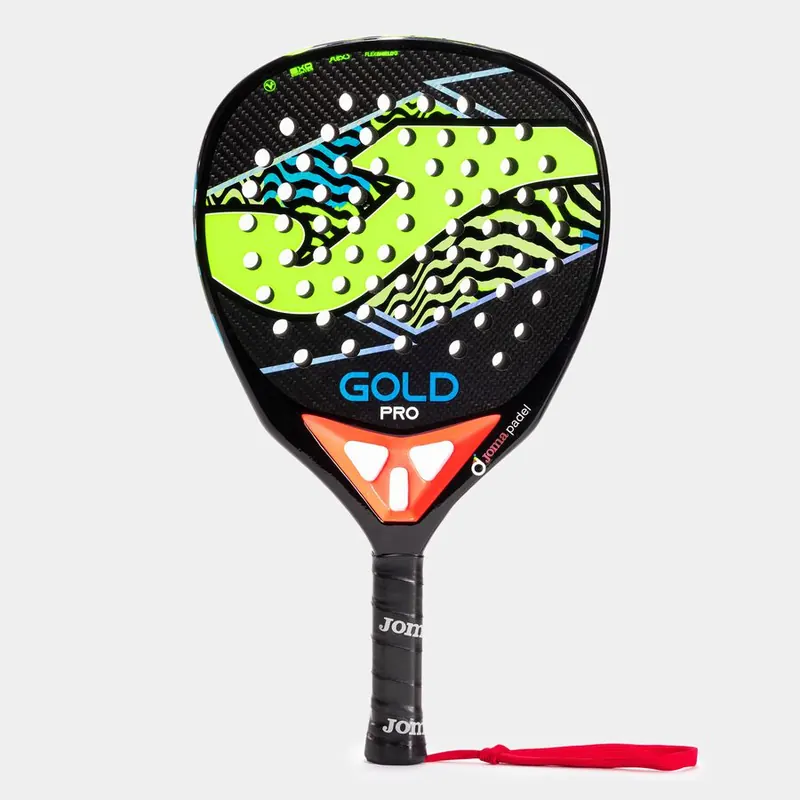
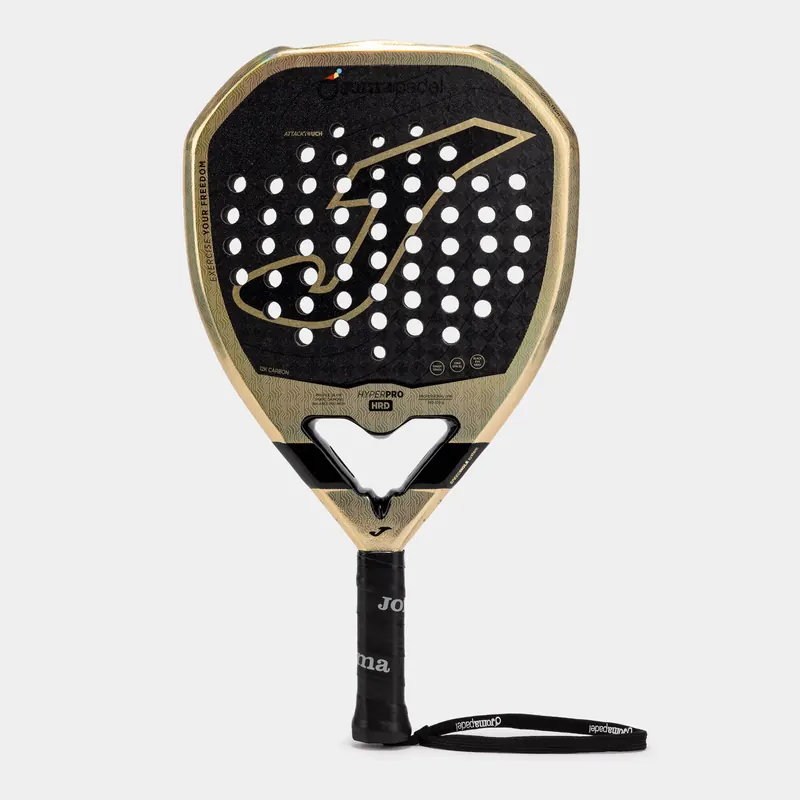
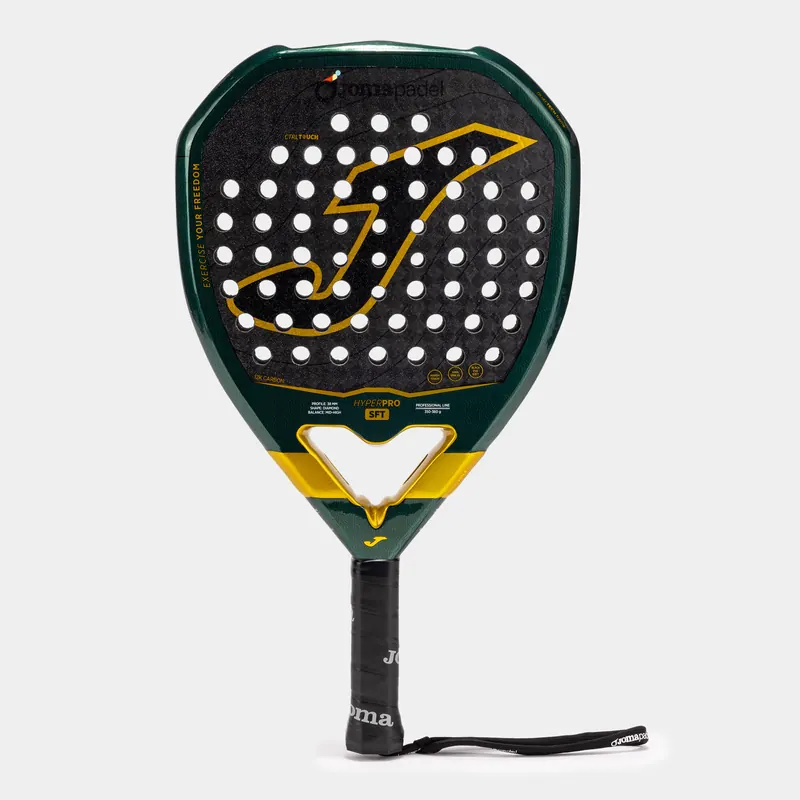
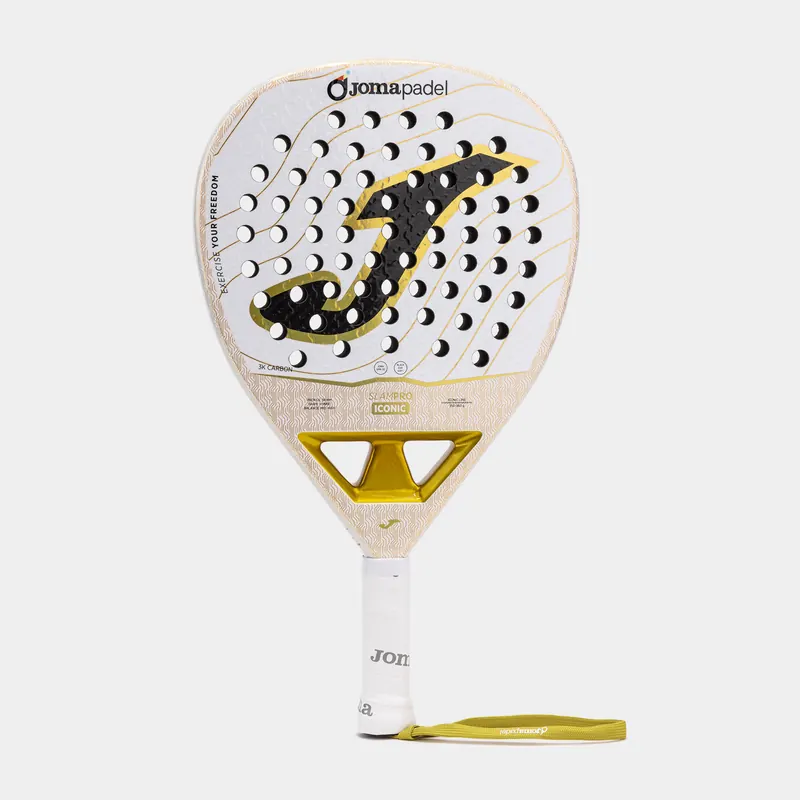
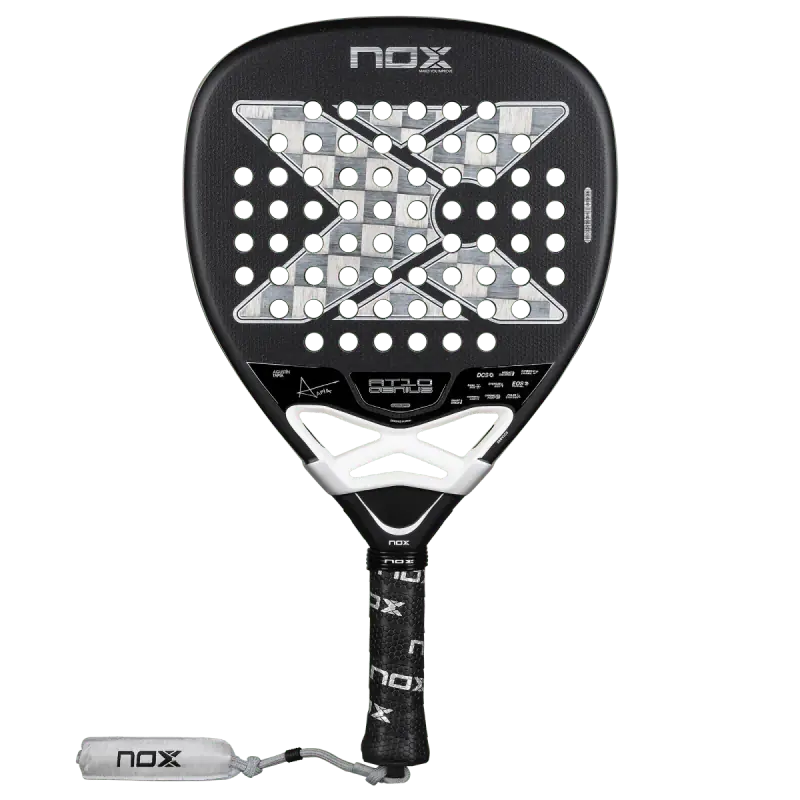
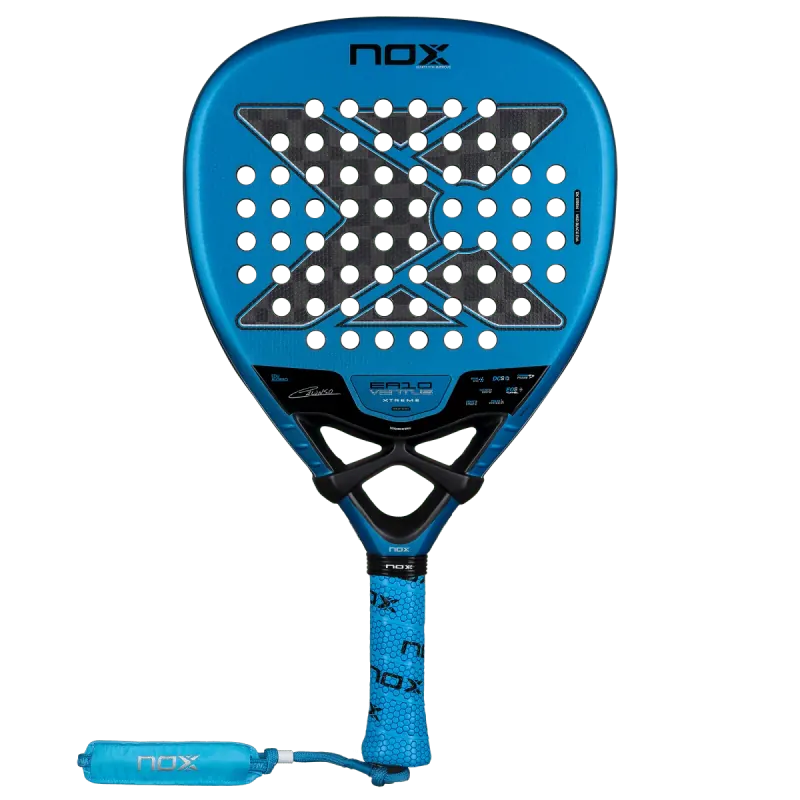
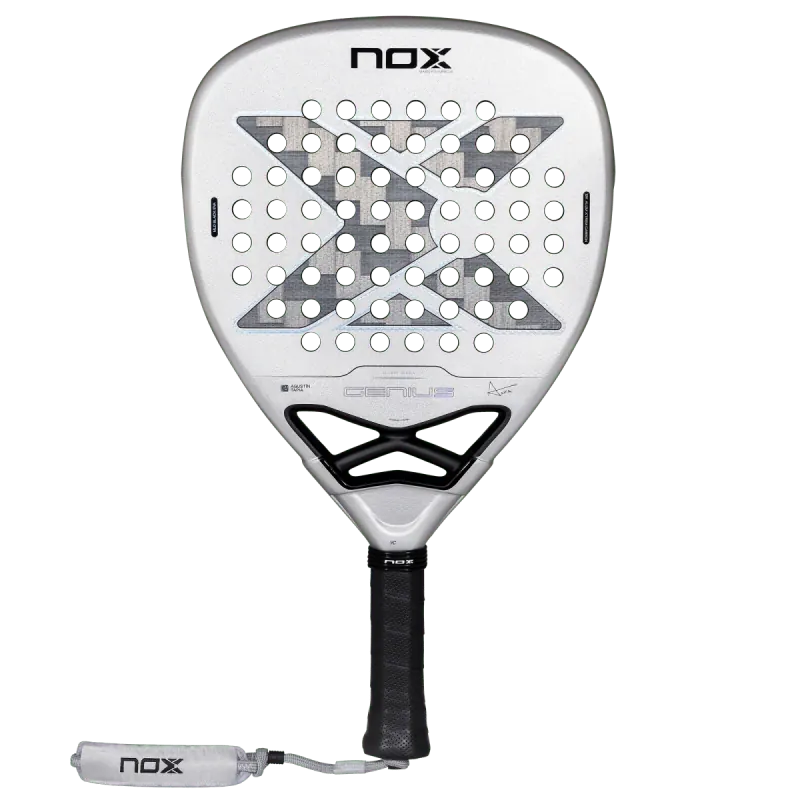
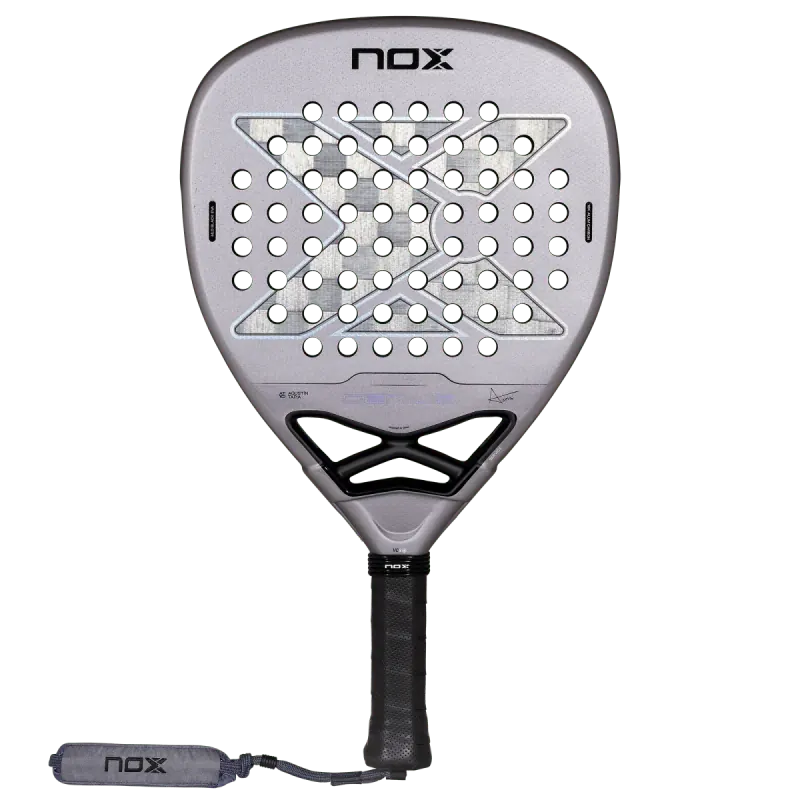
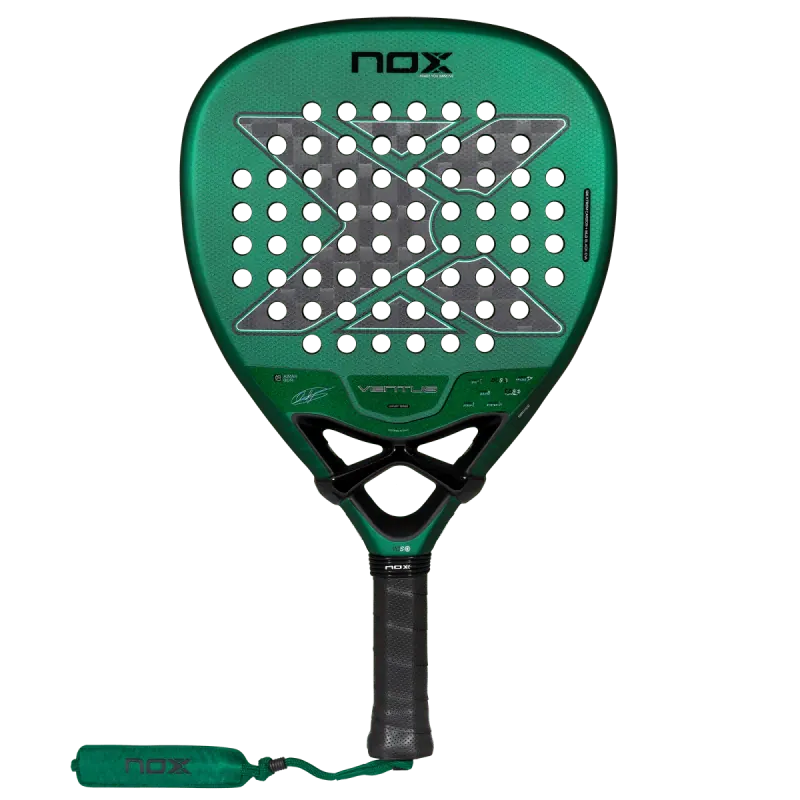
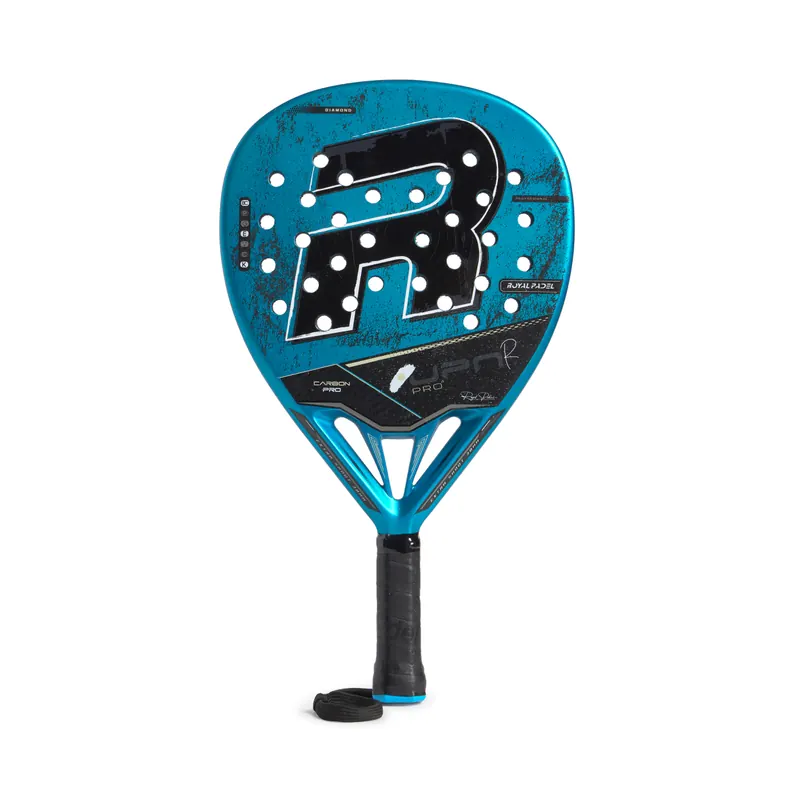
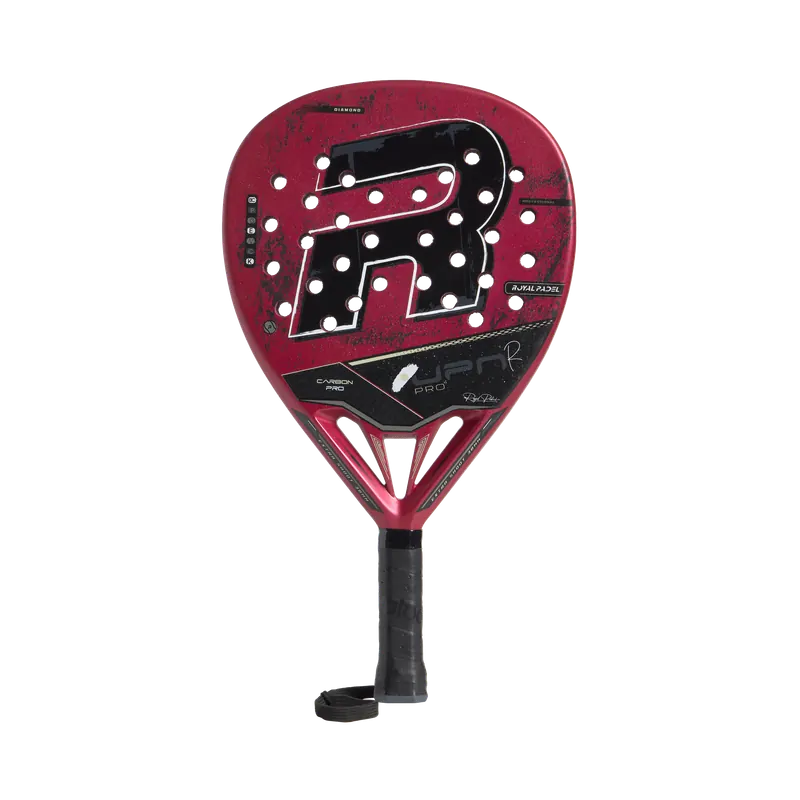
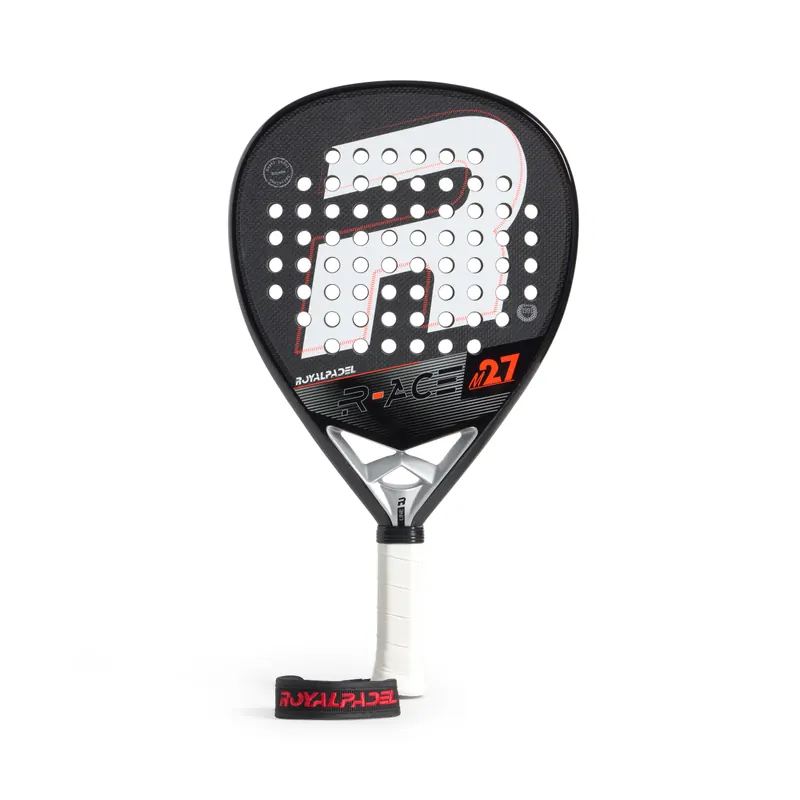
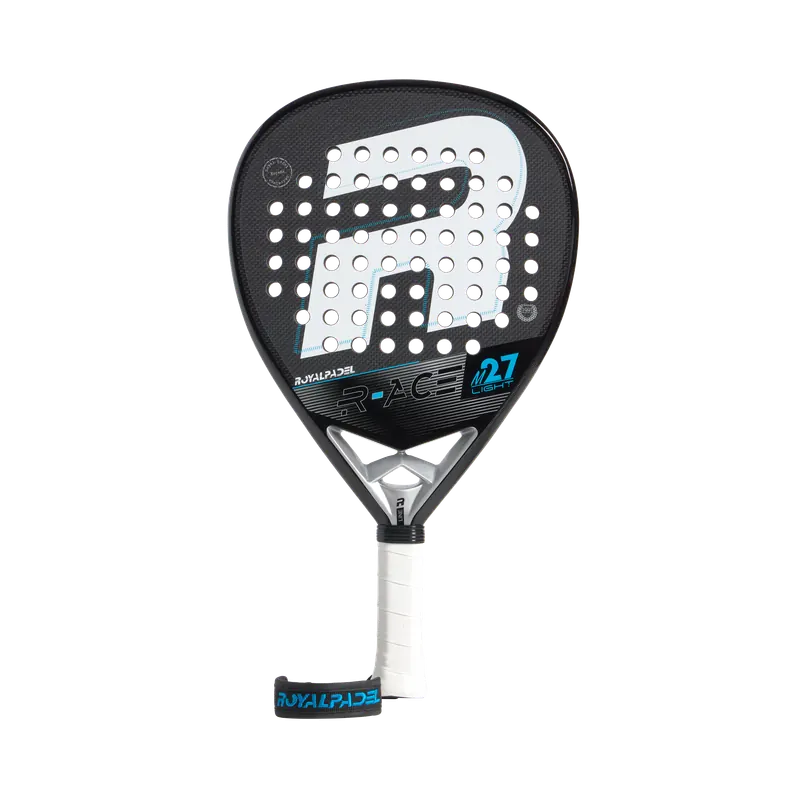
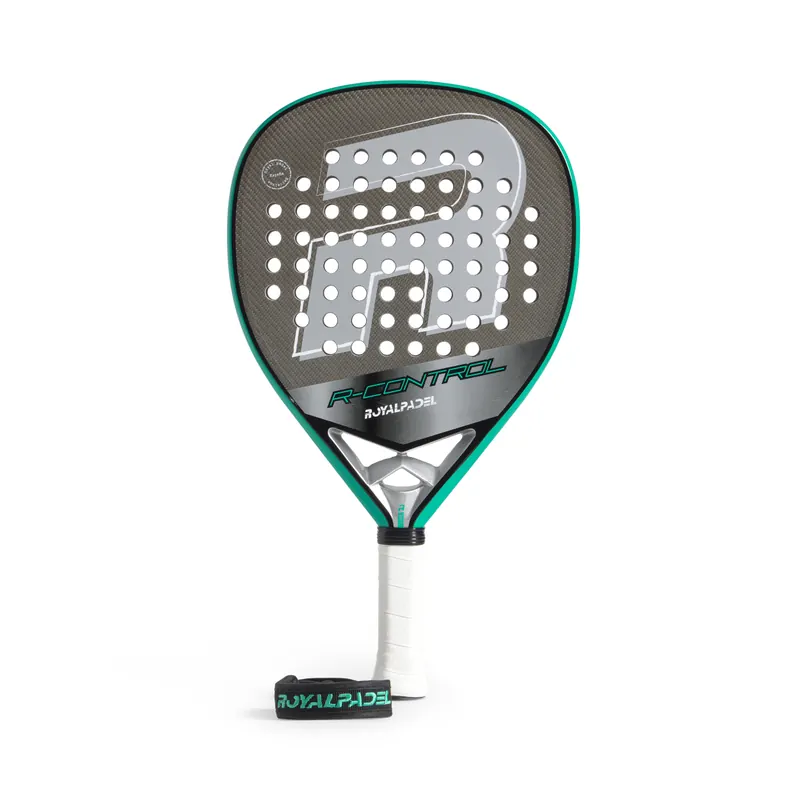
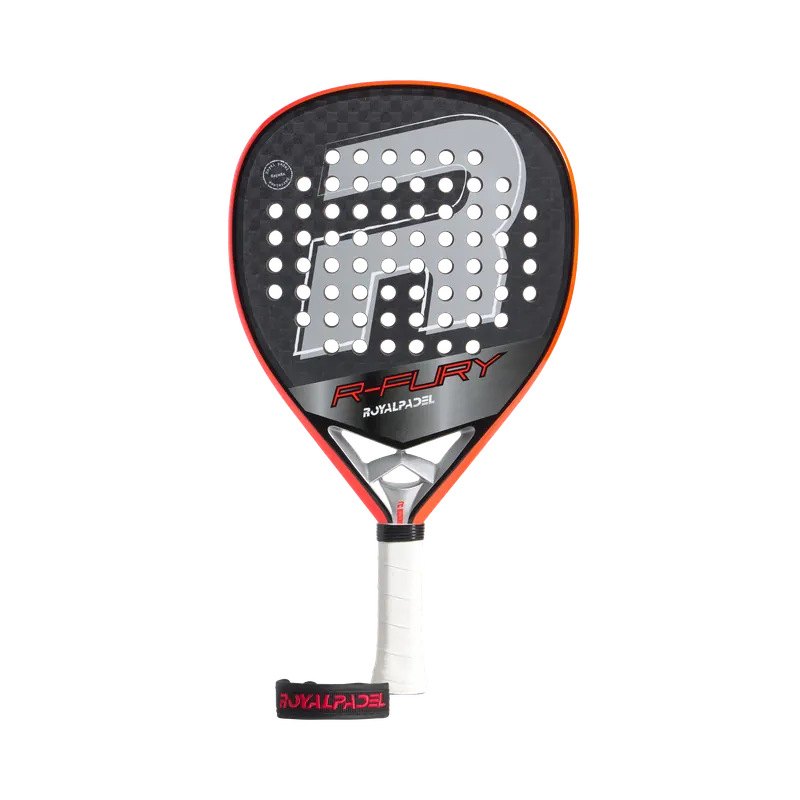
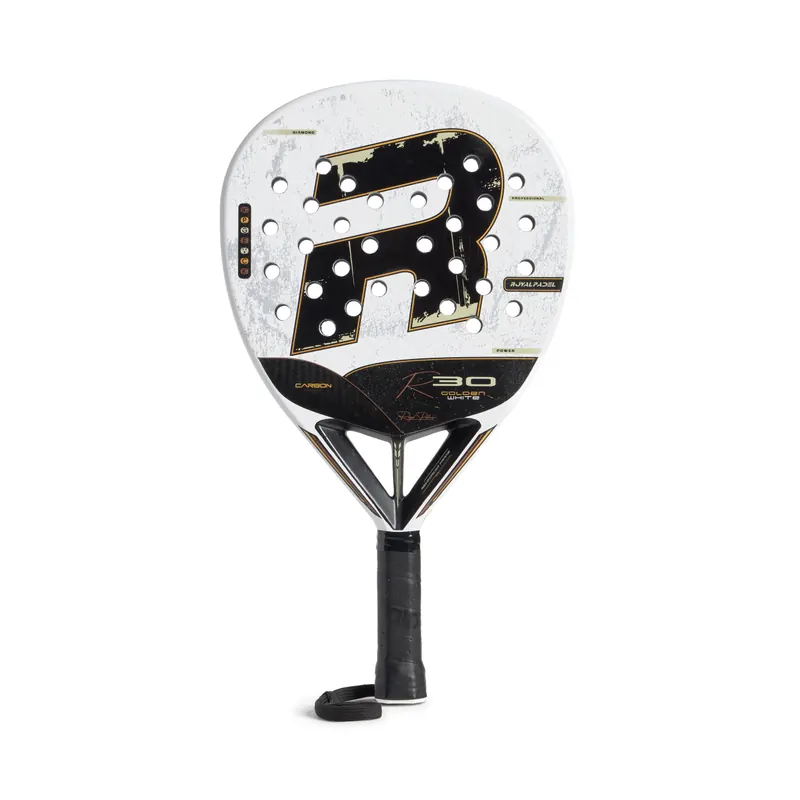
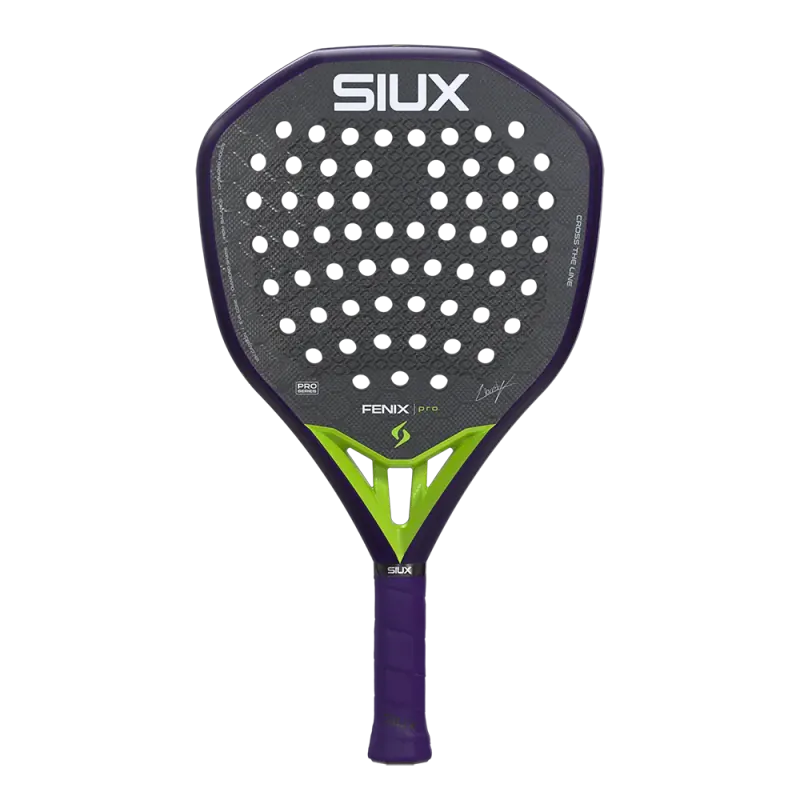
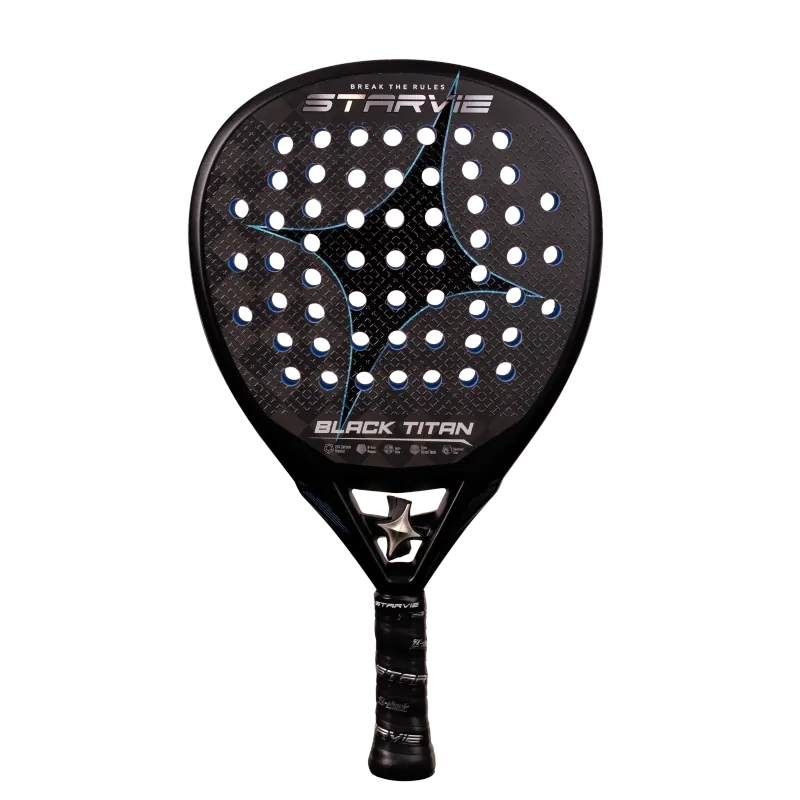
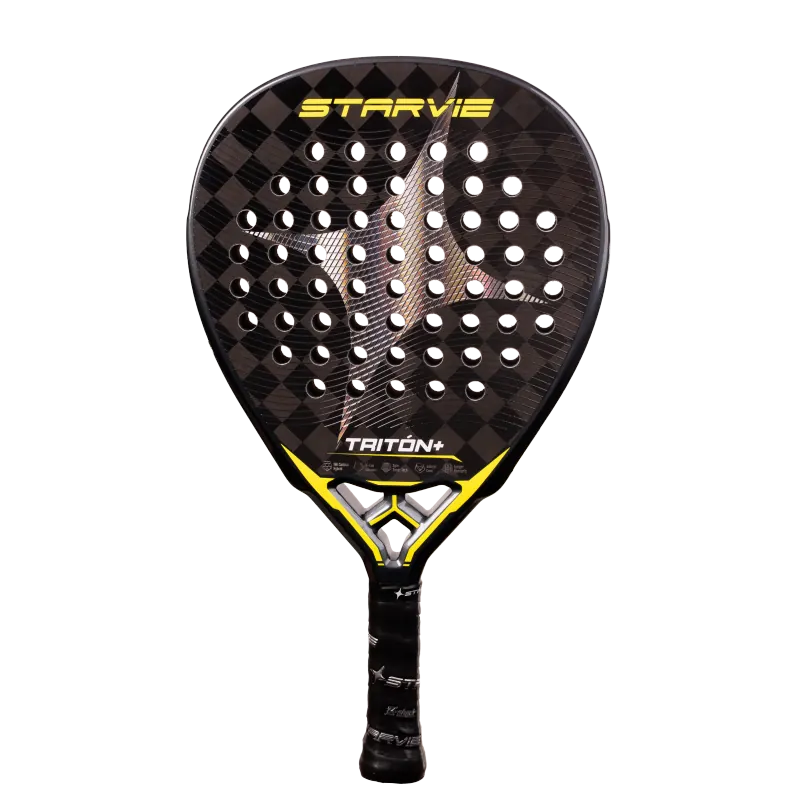
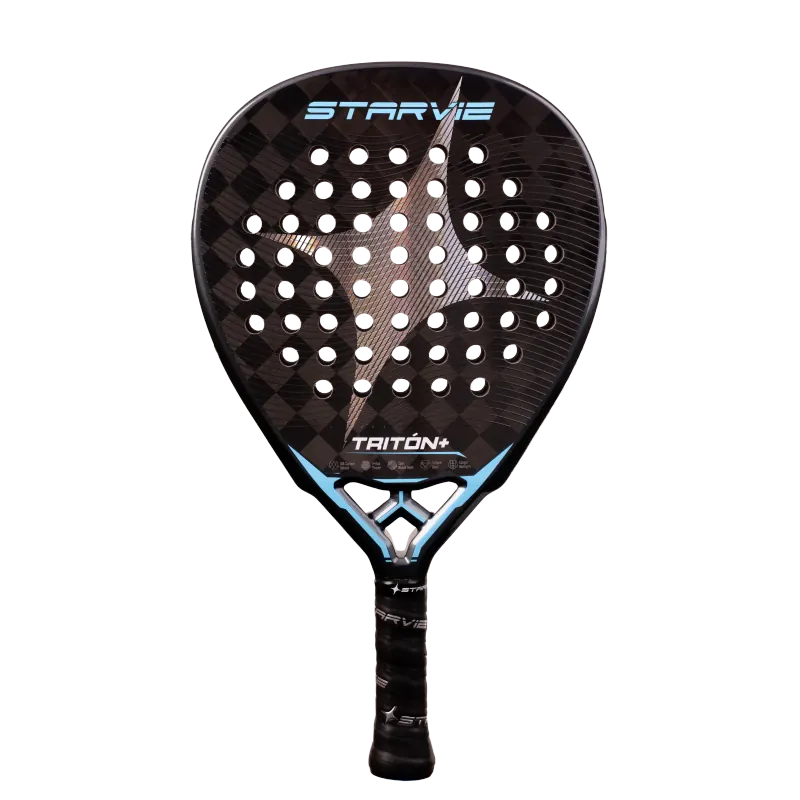
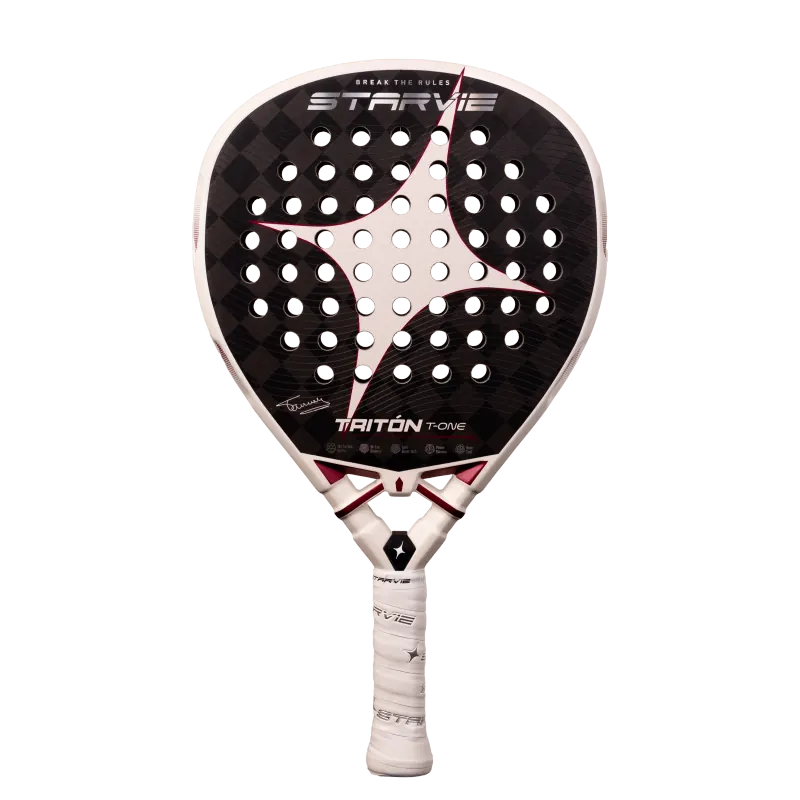
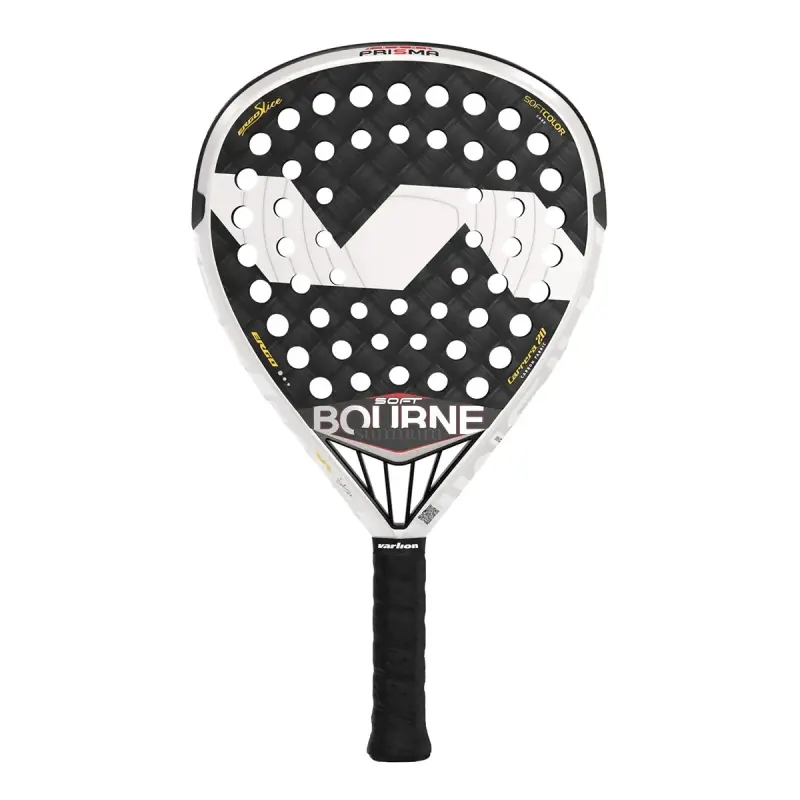
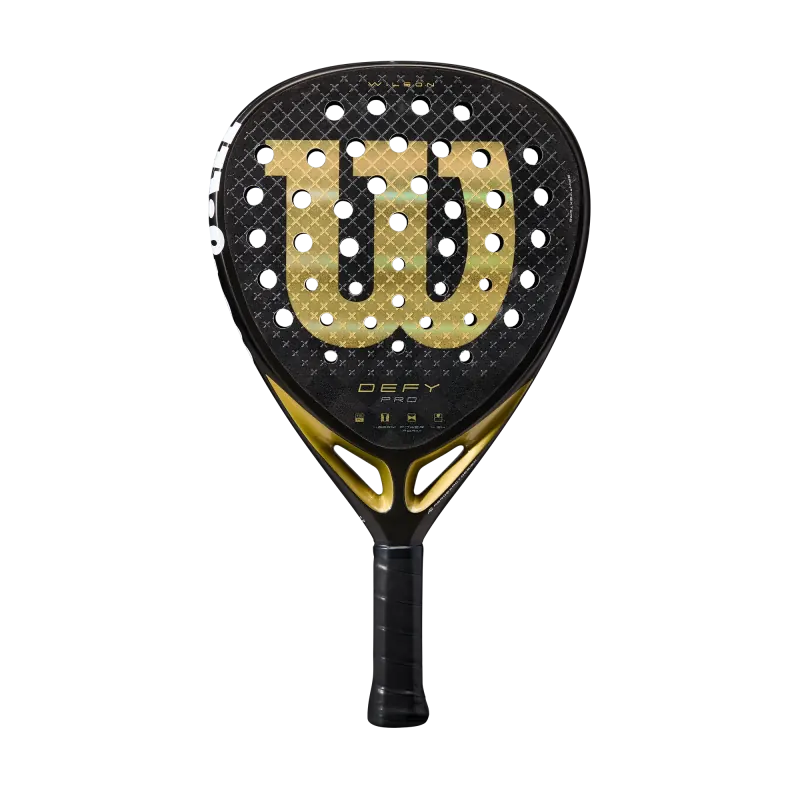
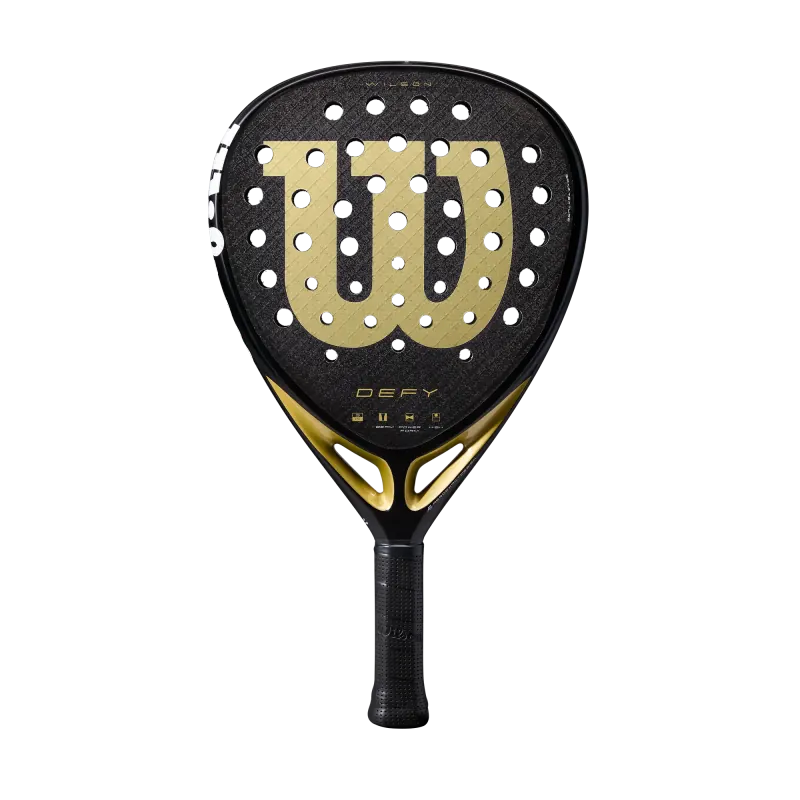
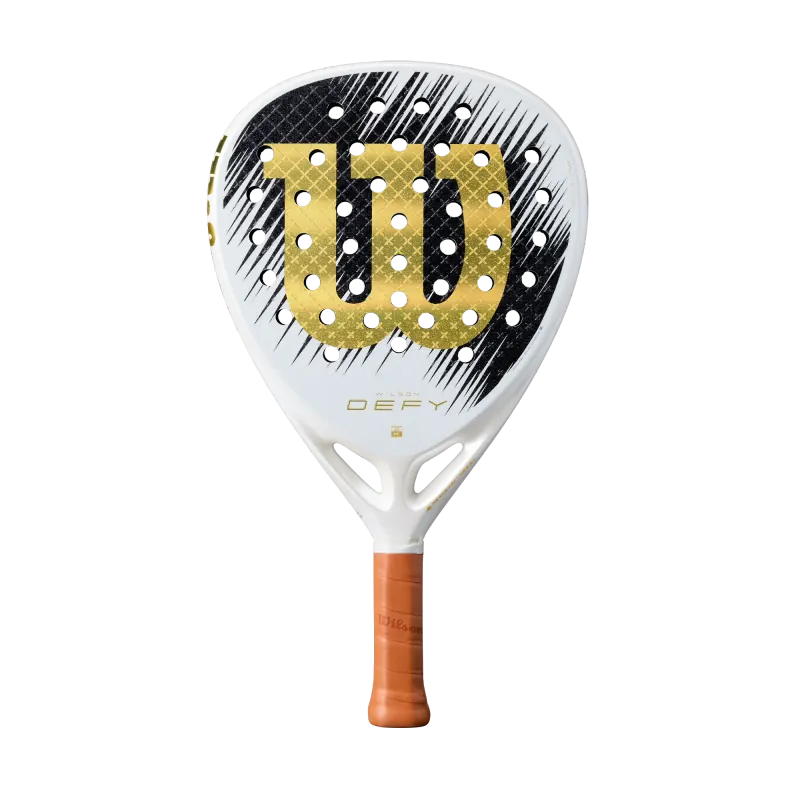
It is a filter based on brand data, not an assessment: the order is alphabetical and does not indicate quality. Each racket links to its spec sheet.
A power racket is, on this page, one that, because of its shape and balance as declared by the brand, is placed at the power end of a published scale, with a fixed threshold. It is a data filter, not an assessment or a measurement, and it does not indicate which racket is better for your game.
How it is decided which racket is a power racket. Some shops label rackets as power rackets without showing the rule. Here the rule is public: the control to power axis is calculated from the shape and balance declared by the manufacturer, and the need uses a fixed threshold on that axis, the same for all the rackets in the list. It is a model choice, not a measurement, and that is why it should be read as a guide for comparing and not as a guarantee of how the racket will play in your hands.
What the page shows. Each racket in the list shows the shape, the weight and the balance as the manufacturer prints them, and links to its spec sheet with the core, the face, the source of each value and the consultation date. That way you can check the value against the brand's page before deciding. The cited sources do not compare rackets with one another in playing results, so the page does not claim that one is the best. NOX describes 3K carbon as a fabric of carbon threads forming small squares, and 12K carbon as a finer carbon with a weight 25% lower and a rigid feel; this is that brand's description.
What the rules set for all rackets. According to the International Padel Federation, the rules set the same measurement limits for all rackets, whatever their shape, and say nothing about level, style or which racket suits each person.
Before deciding. The order of the rackets is alphabetical and does not indicate quality. Always check the value against the manufacturer's spec sheet that each racket links to; spec sheets on other sites may not match.
That the shape and balance declared by the brand place it at the power end of the published scale.
That shape, weight, balance, core and face match the linked manufacturer's spec sheet.
That you understand the term the brand uses for its face or its core, because it applies only to that brand.
That you do not trust the power label without knowing the rule that decides it: here it is a fixed threshold on a published scale.
What it is
A filter based on the data the manufacturer declares, with a fixed threshold on the control to power axis.
What it is not
A quality assessment or a measurement made with the racket in hand.
How it is sorted
Alphabetical. The order does not indicate quality.
Frequently asked questions
Control or power racket?
They are not two closed categories: it is an axis that this page calculates from the declared shape and balance, with a fixed threshold. Rackets in the middle band appear in neither the power list nor the control list. The page does not say which one suits you: it compares manufacturer spec sheets, and each sheet shows what its brand declares.
Is a power racket always a diamond?
Not necessarily. The scale on this page calculates the control to power axis from the declared shape and balance, so the shape alone does not decide: the fixed threshold is applied to the result of combining both.
Why does the page not show prices?
Because the price changes depending on the shop and the moment, and this page compares manufacturer spec sheets, not offers. The cited sources do not say that a more expensive racket has more power or that it fits your game better.